
1 week until a breathtaking blood moon rises over the US during total lunar eclipse 2026
Space.com
by Anthony Wood February 23, 2026
AI-Generated Deep Dive Summary
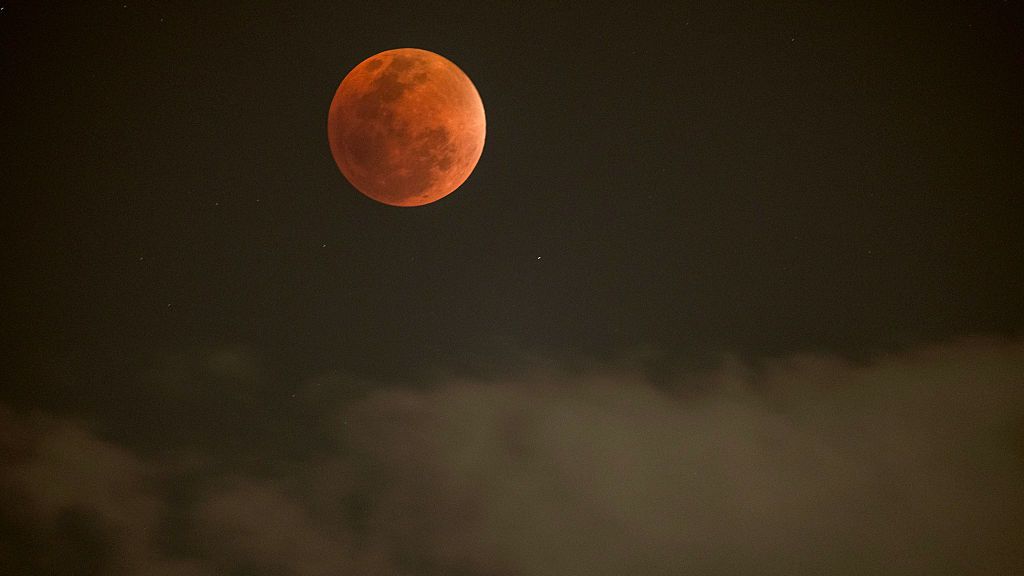
A breathtaking blood moon will rise over the US and other regions across the Americas, Asia, and Oceania during a total lunar eclipse in March 2026. This rare celestial event occurs when Earth’s shadow fully covers the moon, creating a stunning red hue known as Rayleigh scattering—where shorter blue wavelengths are scattered by the atmosphere, allowing longer red wavelengths to pass through and illuminate the moon. The eclipse will be visible during early morning hours on March 3, with totality lasting an impressive 58 minutes.
For viewers in the US, the eclipse will begin at 3:33 a.m. EST (0833 GMT), as Earth’s penumbra gradually moves across the lunar surface. The more distinct umbral shadow will start encroaching on the moon at 4:50 a.m. EST (0950 GMT), with totality beginning at 6:04 a.m. EST (11:04 GMT). Those in Western states like California, Oregon, and Washington D.C. will witness the entire event, while Eastern viewers may only catch part of it before dawn. Exact timings vary by location, so checking local schedules on platforms like Time and Date is recommended.
This total lunar eclipse offers a unique opportunity for stargazers to observe orbital mechanics in action. To enhance the viewing experience, consider using a telescope or binoculars for sharper images—beginners might try the Celestron Inspire 100AZ, which provides clear views of the moon and planets. For those interested in photography, capturing the blood moon can be a rewarding challenge. Sharing your photos with Space.com via email is encouraged.
The blood moon phenomenon not only delights skywatchers but also highlights Earth’s role in shaping celestial events. This eclipse serves as a reminder of our planet’s impact on light cycles and the beauty of natural orbital alignments. For astronomy enthusiasts, this event offers a chance to connect with the cosmos and appreciate the science behind lunar eclipses.
Verticals
spacescience
Originally published on Space.com on 2/23/2026