
'$100,000 deal': What US justice department reveals about Pannun murder plot
Times of India
by TOI WORLD DESKFebruary 14, 2026
AI-Generated Deep Dive Summary
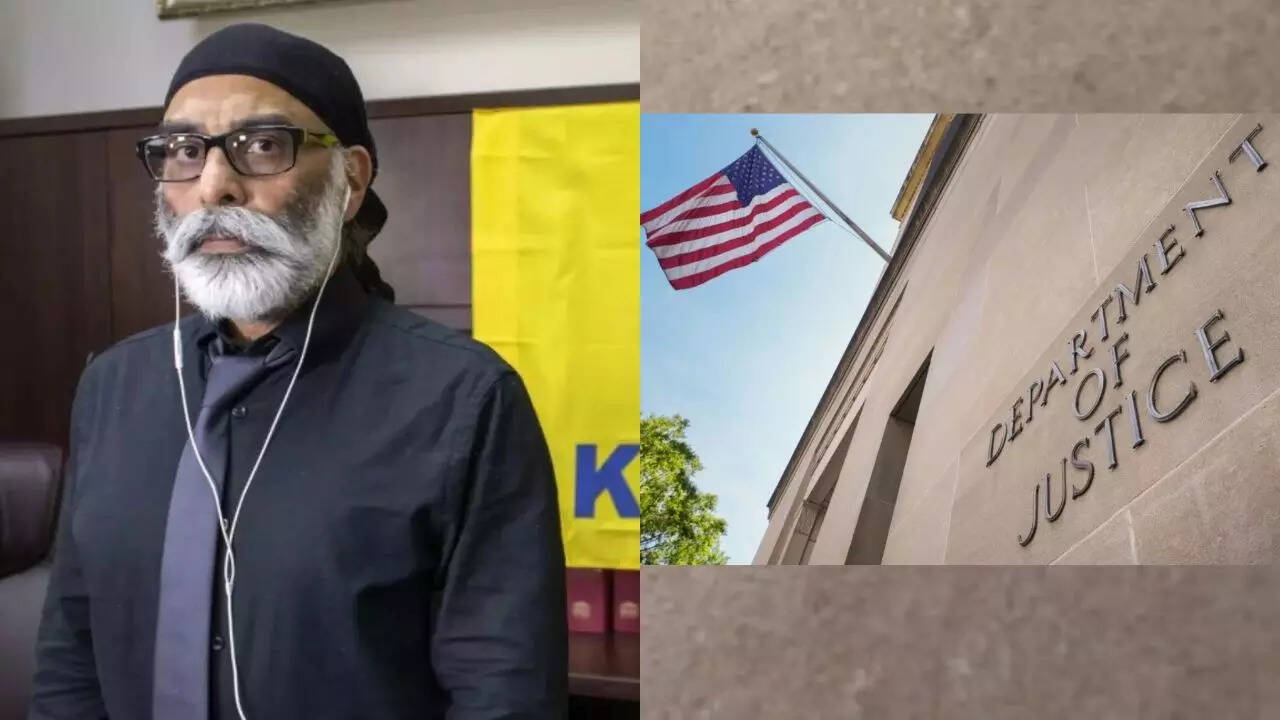
An Indian national named Nikhil Gupta has pleaded guilty in a US court to plotting the assassination of Gurpatwant Singh Pannun, a US citizen and leader of a Sikh separatist group advocating for Khalistan. The scheme, valued at $100,000, was allegedly directed by Vikash Yadav, an employee of India’s Cabinet Secretariat, which oversees the country's intelligence services. Gupta admitted to charges including murder-for-hire, conspiracy, and money laundering, with sentencing scheduled for May 29, 2026.
The plot unfolded when Yadav recruited Gupta in May 2023 to hire a hitman through an undercover DEA agent posing as a criminal associate. Gupta facilitated the arrangement by providing details about Pannun’s location and activities, even coordinating an advance payment of $15,000. The plan was nearly derailed when India’s Prime Minister visited the US in June 2023, but Gupta instructed that the murder should be quick and avoid detection during the visit. However, on June 18, 2023, Hardeep Singh Nijjar, a fellow Sikh separatist leader and associate of Pannun, was killed in British Columbia. This event reportedly emboldened Gupta, who told the undercover agent that there were “so many targets” to eliminate.
The case highlights the dangers of foreign interference in US affairs, particularly when targeting individuals exercising their right to free speech. The Justice Department emphasized that such actions will not go unpunished, sending a clear message to potential adversaries. Gupta was arrested in the Czech Republic and extradited to the US, where he faces up to 40 years in prison. This case also underscores the role of Indian officials in global terrorism plots and raises questions about oversight within India’s intelligence community.
The investigation revealed a sophisticated network operating across international borders, with Yadav using his position to orchestrate the plot. The involvement of an Indian government employee adds a layer of complexity to the case, potentially straining diplomatic relations between the US and India. As authorities continue to uncover ties to other potential targets, this case serves as a stark reminder of the global threat posed by politically motivated violence.
Overall, the story highlights the importance of vigilance in detecting and preventing transnational threats, particularly those aimed at silencing voices critical of separatist movements or government policies. The outcome of Gupta’s case will likely set a precedent for addressing similar threats in the future.
Verticals
worldasia
Originally published on Times of India on 2/14/2026