
14 remarkable images of New York City’s 1888 blizzard
Popular Science
by Popular Science TeamFebruary 22, 2026
AI-Generated Deep Dive Summary
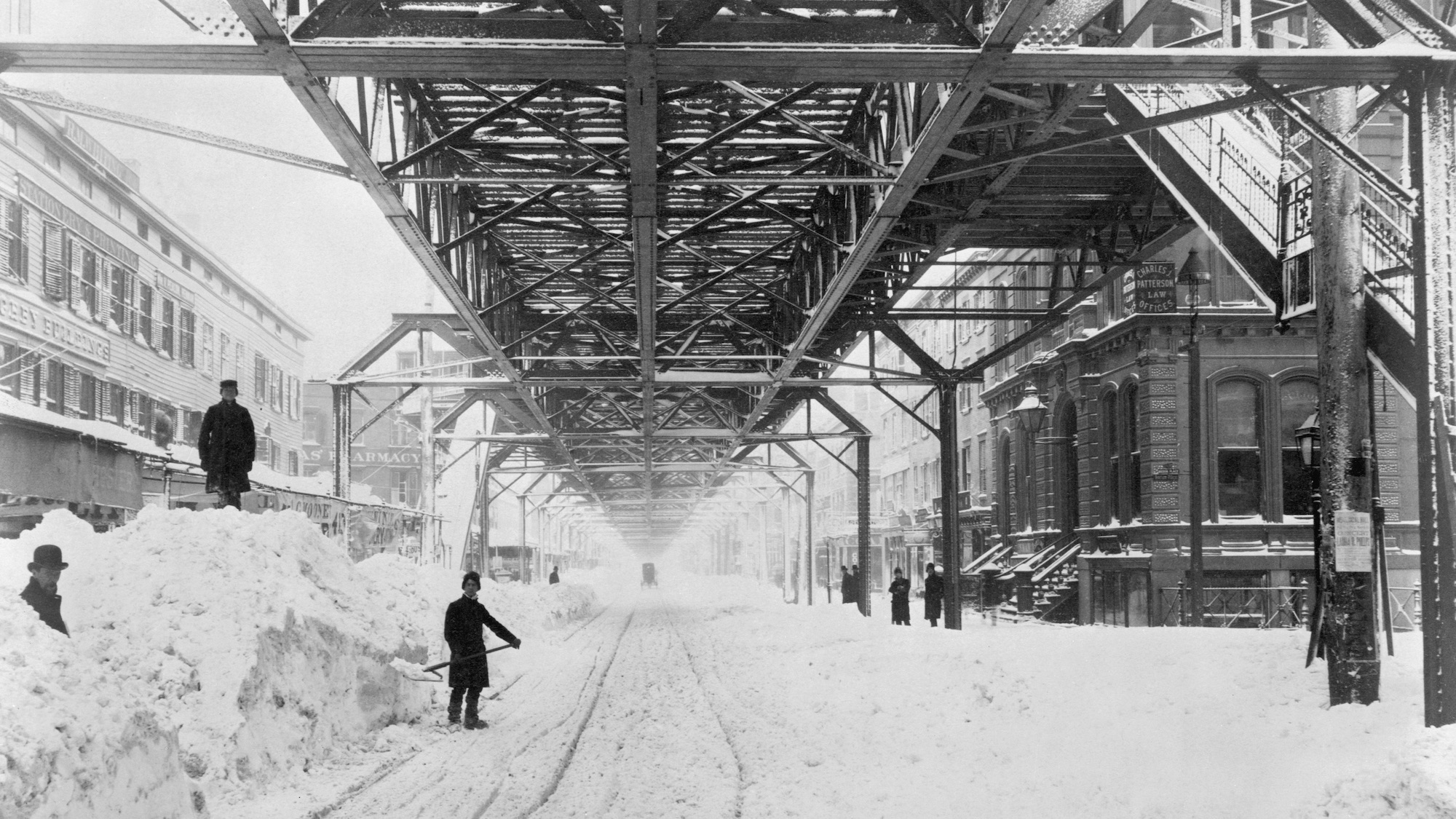
The 1888 blizzard that struck New York City was one of the deadliest in U.S. history, claiming over 400 lives and leaving widespread destruction in its wake. The storm paralyzed the city for days, halting train services, disabling telegraph lines, and flooding streets as melting snow caused significant damage. Unlike modern storms, which benefit from advanced technology and efficient snow-clearing machinery, New Yorkers in 1888 relied on manual labor and horse-drawn carriages to dig out after the blizzard subsided. This event serves as a stark reminder of how vulnerable cities were to extreme weather events in the late 19th century.
The impact of the blizzard was profound. Snowdrifts piled high blocked entrances to stores, buried brownstones in Brooklyn, and disrupted daily life across the city. Iconic landmarks like Wall Street and the Brooklyn Bridge were blanketed in snow, with workers struggling to clear paths by hand. The lack of modern equipment meant that even after the storm passed, recovery efforts were slow and labor-intensive. For instance, trains remained stranded at Grand Central Depot, and grocery stores had to dig out their fronts while children watched from a distance.
From a scientific perspective, the 1888 blizzard offers valuable insights into the power of extreme weather events and how cities have evolved in应对 them. The storm’s severity highlights the importance of infrastructure improvements over time, such as better snow-clearing technologies and communication systems that allow for quicker disaster response. It also underscores the need to study historical weather patterns to understand the potential impacts of climate change on urban areas. For readers interested in science, this event provides a window into the past and the lessons it holds for building more resilient cities in the future.
Verticals
sciencetech
Originally published on Popular Science on 2/22/2026