
2 crashes in a month: Government mulls safety ranking of charter operators, stricter norms put in place
Times of India
by SAURABH SINHAFebruary 24, 2026
AI-Generated Deep Dive Summary
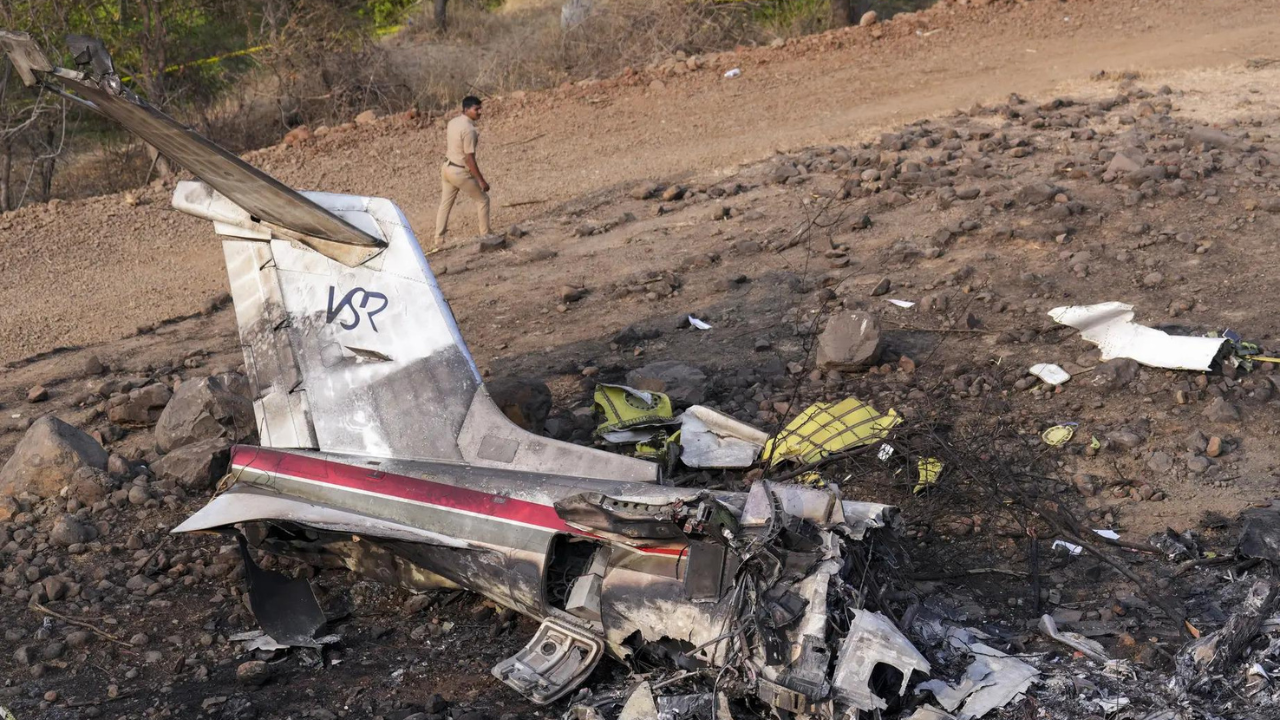
NEW DELHI: Following two fatal crashes involving small charter aircraft within a month, which claimed 12 lives, India's Directorate General of Civil Aviation (DGCA) is considering introducing a safety ranking system for non-scheduled operator permit (NSOP) or charter/private jet operators. This move aims to enhance transparency and accountability in the sector by mandating operators to disclose critical safety information, such as aircraft age, maintenance history, and pilot experience, on their websites. Additionally, stricter penalties will be imposed on operators violating norms, including potential license suspensions for violations related to aircraft utilization or crew performance.
The DGCA has also emphasized prioritizing safety over commercial interests, with pilots given final authority to make decisions regarding flight safety without facing commercial repercussions. Operators failing to adhere to these standards will face severe consequences, potentially leading to the suspension of their licenses. The regulator has identified non-compliance with standard operating procedures (SOPs), inadequate training, and poor judgment by operations teams as key factors contributing to accidents.
To further strengthen oversight, the DGCA will conduct increased random audits of cockpit voice recorders, fuel records, and technical logs.Operators conducting their own maintenance will be required to outsource to recognized maintenance, repair, and overhaul (MRO) facilities if found lacking in standards. Additionally, enhanced weather monitoring systems and recurrent training for pilots with a focus on weather awareness strategies will be implemented.
These measures underscore the regulator's zero-tolerance policy toward safety compromises, signaling that NSOP operators must either achieve full compliance or face license revocation. This proactive approach aims to address systemic weaknesses in decision-making and ensure operational discipline within the sector. The move is seen as a
Verticals
worldasia
Originally published on Times of India on 2/24/2026