
2,000 years ago, people in Vietnam used iron to permanently blacken their teeth
Times of India
by TOI WORLD DESKFebruary 22, 2026
AI-Generated Deep Dive Summary
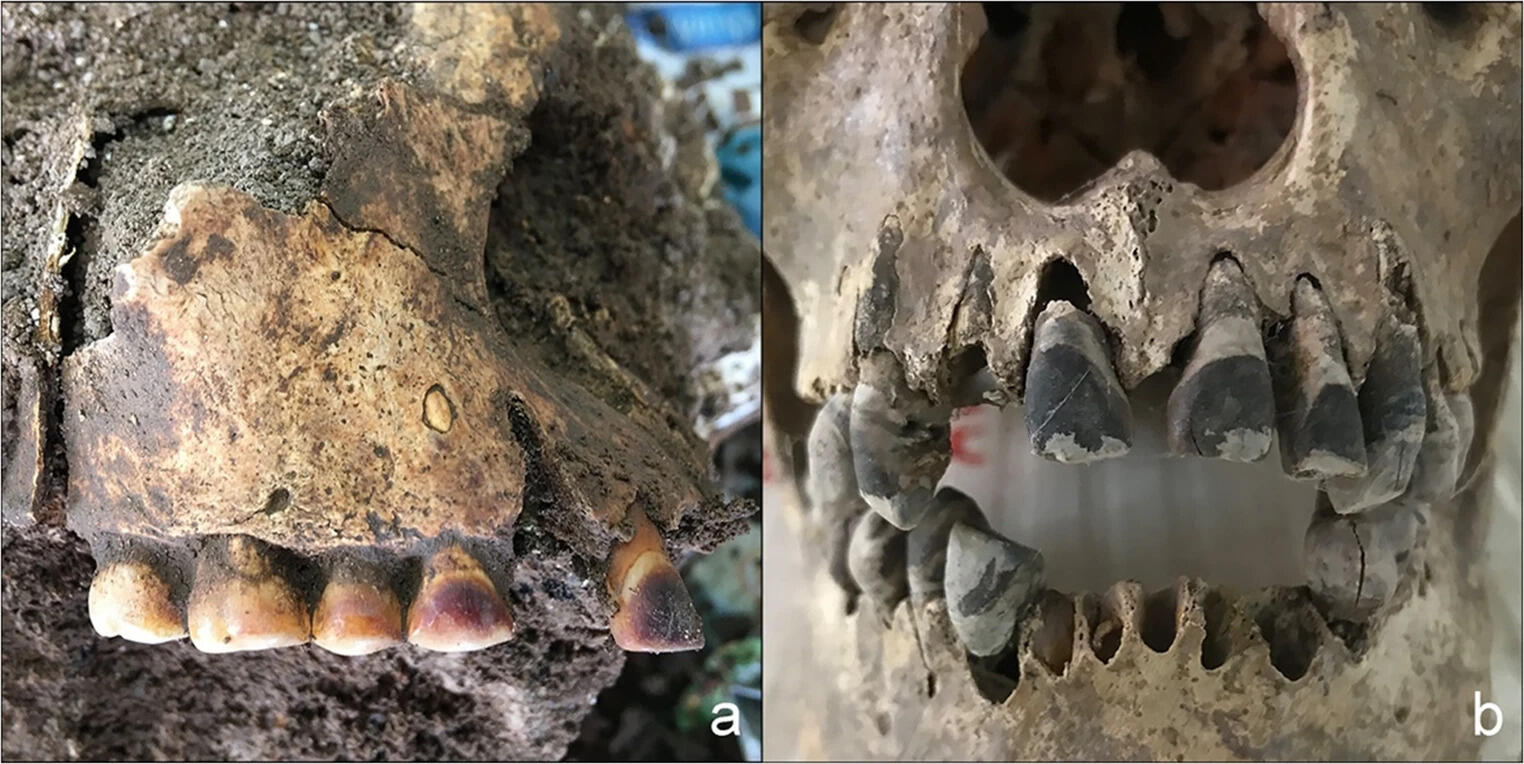
Archaeologists have uncovered compelling evidence that people in Vietnam were practicing tooth blackening as far back as 2,000 years ago, using iron-based compounds to achieve a permanent cosmetic change. This groundbreaking discovery comes from an analysis of human remains at the Dong Xa site in northern Vietnam, which dates back to the Iron Age and is associated with the influential Dong Son cultural sphere. The research reveals that ancient Vietnamese communities used a mixture likely containing iron salts and plant materials rich in tannins to create a glossy black sheen on their teeth. This practice was not merely aesthetic but also served as a marker of identity, reflecting social norms and cultural traditions deeply rooted in their society.
The study, conducted by researchers using advanced chemical and microscopic methods, examined enamel samples from several skulls found at the site. They identified consistent traces of iron and sulfur in the outer layers of the teeth, which were unlikely to result from soil contamination. This suggests a deliberate and controlled application of the blackening mixture. The findings align with historical records from Chinese dynastic histories that mention communities in what is now Vietnam practicing this custom as early as the Eastern Han period (206 BCE–8 CE). Later texts describe tooth blackening as a distinctive cultural trait, often associated with maturity, beauty, and regional identity.
The practice of tooth blackening appears to have evolved alongside broader societal changes in northern Vietnam during this period. The widespread adoption of ironworking and increased exchange with southern China likely influenced the development of this custom. Ethnographic accounts from the 19th and early 20th centuries further corroborate its persistence, highlighting its enduring significance as a cultural marker. By applying blackening pastes in a deliberate and elaborate manner, ancient Vietnamese communities expressed their identity and social belonging.
This discovery bridges the gap between historical texts and material evidence, offering fresh insights into the continuity of traditional practices over millennia. What may seem unusual by modern standards was once a deeply ingrained custom, reflecting the cultural values and social structures of early Vietnamese societies. The enamel on these ancient teeth still bears the traces of this aesthetic practice, which remains a testament to the ingenuity and cultural richness of our ancestors.
Verticals
worldasia
Originally published on Times of India on 2/22/2026