
443 days later: what Yoon’s life sentence means for South Korean democracy
South China Morning Post
by David D. LeeFebruary 26, 2026
AI-Generated Deep Dive Summary
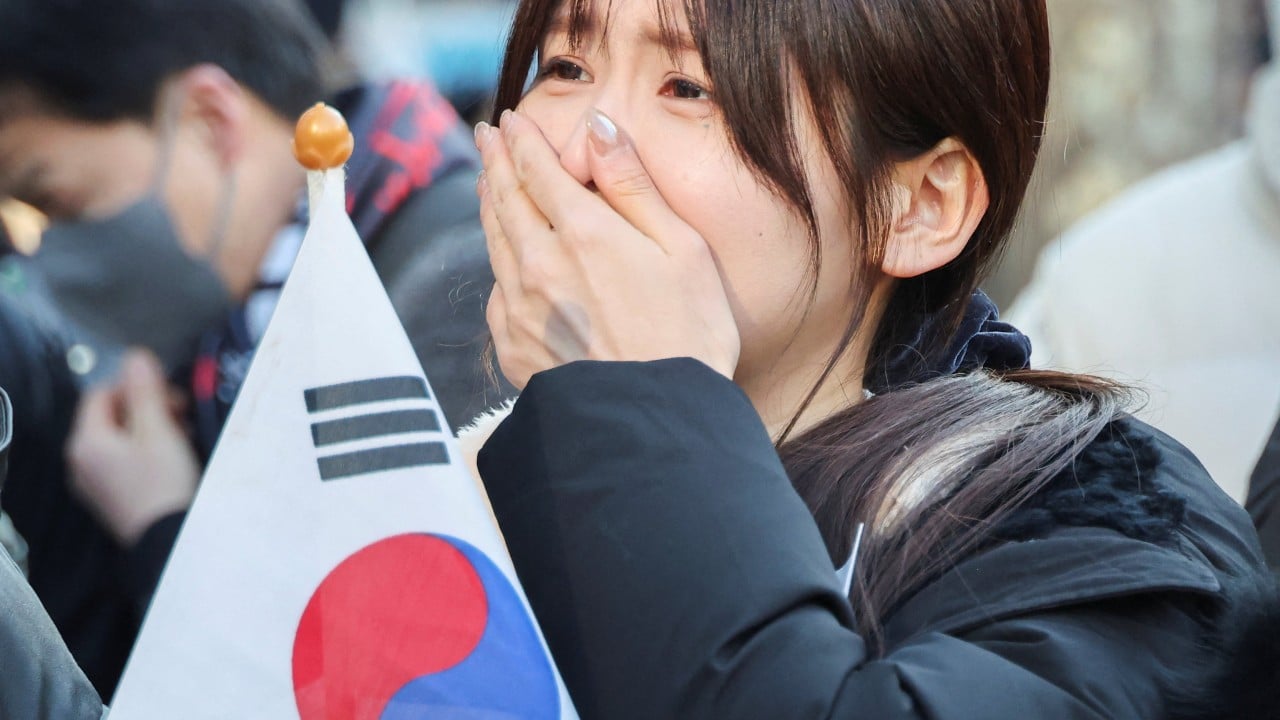
South Korea’s democracy has faced a significant milestone with former leader Yoon Suk-yeol receiving a life sentence for his role in a martial law plot. The verdict, handed down by Seoul Central District Court, has reignited debates about judicial reform and deepened political divisions in the nation. The case, which dates back to Yoon’s presidency, began with a controversial late-night declaration of martial law and has since become a defining chapter in South Korea’s modern political history. As appeals move through the courts, questions about whether the ruling was politically motivated have sparked fierce public reaction, with supporters accusing the current government of bias.
The trial unfolded during a period of intense political turmoil, marked by mass protests, legislative battles, and a Constitutional Court ruling that impeached Yoon in 2023. Citizens played a pivotal role in resisting military干预, forming human chains to block troop movements and organizing massive demonstrations. Lawmakers scrambled to repeal the martial law decree through last-minute votes, while millions took to the streets to voice their concerns. These events highlighted the resilience of South Korea’s democratic institutions and the strength of civic engagement.
The life sentence for Yoon has further polarized a nation already grappling with deep political divisions. While supporters argue that the ruling is politically driven, critics maintain that it reflects the consequences of Yoon’s actions during his presidency. The verdict has also brought judicial reform back to the forefront of public discourse, as questions arise about the independence and impartiality of South Korea’s judiciary. As appeals progress, the outcome of this case will have far-reaching implications for the country’s democratic future.
This development matters to global audiences interested in democracy’s fragility and resilience. South Korea’s experience underscores the challenges of balancing executive power with judicial oversight, particularly in contexts where political tensions run high. The ruling also serves as a reminder of how deeply embedded historical conflicts can shape contemporary politics, even in established democracies. As South Korea navigates this pivotal moment, its handling of Yoon’s case will set a precedent for how future leaders are held accountable and how the judiciary evolves in response to societal divisions.
Verticals
worldasia
Originally published on South China Morning Post on 2/26/2026