
7 easy tips for photographing the 'blood moon' total lunar eclipse on March 3
Space.com
by Jamie Carter February 26, 2026
AI-Generated Deep Dive Summary
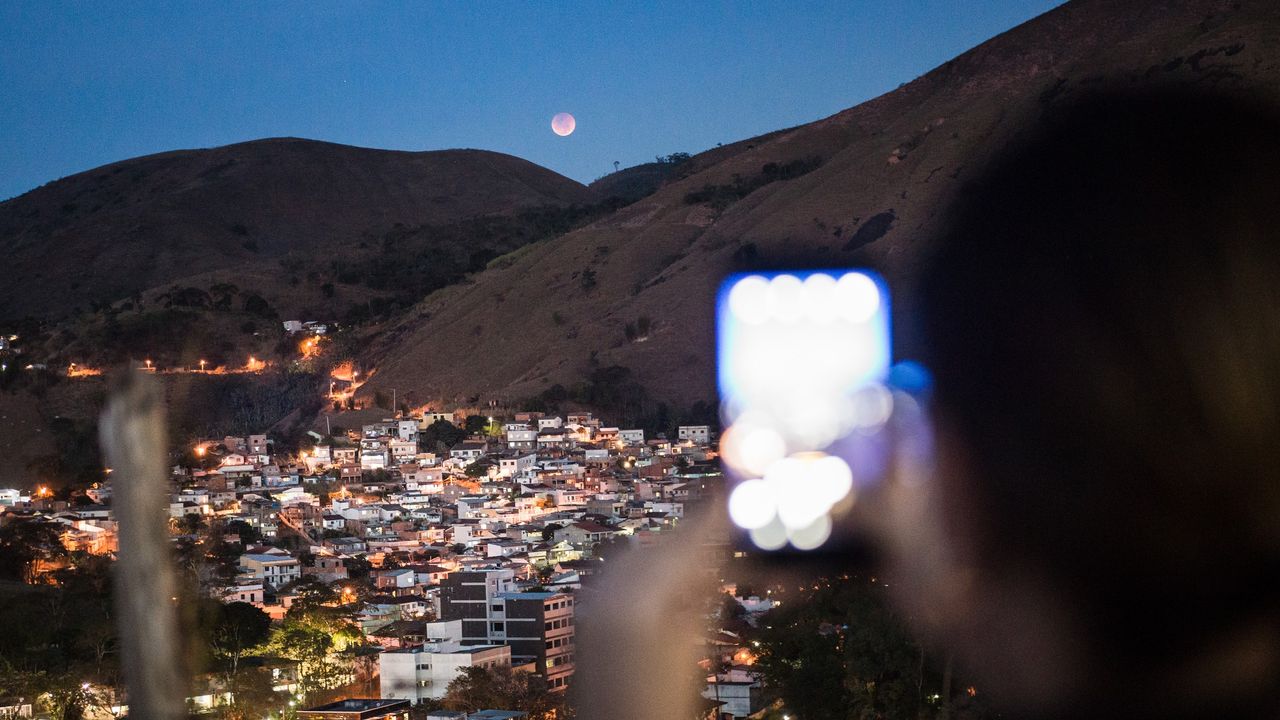
The total lunar eclipse on March 3, 2026—often called a "blood moon"—is a rare and visually stunning celestial event. This will be the only such eclipse until late 2028, making it a must-see for skywatchers across the U.S. During totality, the moon will glow a rich coppery red as it passes through Earth's shadow, creating a breathtaking display that lasts nearly an hour. While capturing this event doesn't require advanced equipment, proper planning and preparation are essential to make the most of the opportunity.
First, timing is critical. The eclipse will occur globally at 08:44 and 14:22 GMT on March 3, with totality—its most photogenic phase—occurring between 6:04-7:02 a.m. EST for those in the Eastern Time Zone. However, viewers in the eastern U.S. will see the moon setting during totality, which limits visibility. The farther west you go, the better your chances of seeing the eclipse high in the sky. For example, on the West Coast, the
Verticals
spacescience
Originally published on Space.com on 2/26/2026