
A Knight of the Seven Kingdoms earns Game of Thrones' unearned ending
Polygon
by Samantha NelsonFebruary 23, 2026
AI-Generated Deep Dive Summary
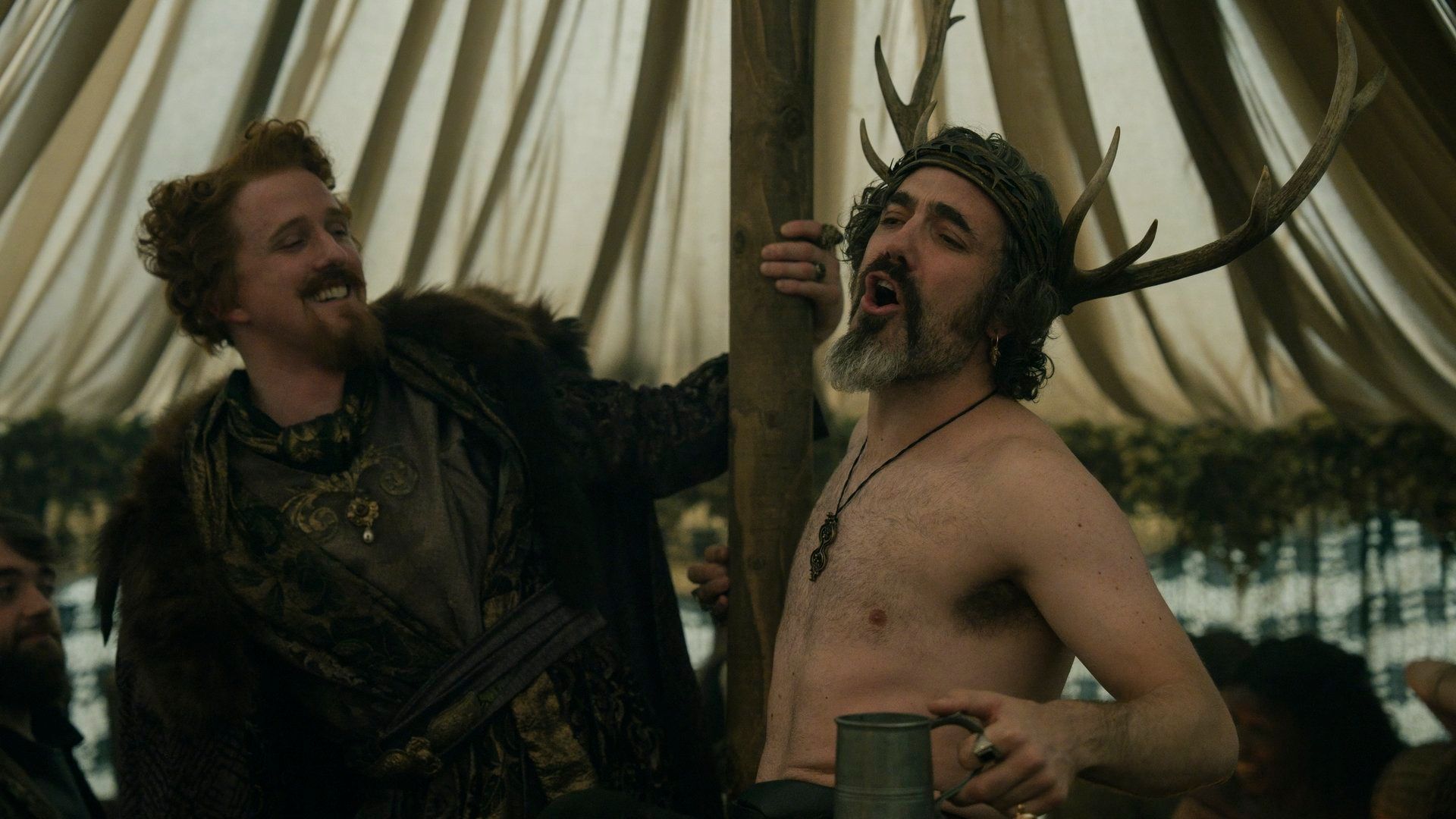
The first season of *A Knight of the Seven Kingdoms* masterfully explores the power of storytelling, which was previously dismissed as an unearned conclusion in *Game of Thrones*. Showrunner Ira Parker weaves this theme throughout the six episodes, proving its significance through puppet shows, bawdy songs, whispered rumors, and tales of heroism. Unlike *Game of Thrones*, where Tyrion’s emphasis on stories felt forced, *A Knight of the Seven Kingdoms* makes storytelling a central pillar of its narrative. By integrating these elements into every episode, the show demonstrates how foundational narratives are to understanding history, identity, and power dynamics.
The series’ approach to storytelling isn’t just about passive entertainment; it actively engages viewers by mirroring their role as chroniclers of the past. The audience becomes complicit in shaping the narrative, much like the characters who gather around firesides or share songs. This dynamic creates a deeper connection between the characters and the audience, making them co-authors of the story. The show’s use of diverse storytelling formats—ranging from courtly performances to lowbrow tavern tales—highlights how stories can both reflect and shape reality.
For fans of gaming, *A Knight of the Seven Kingdoms* offers valuable insights into narrative design. Its layered approach to storytelling mirrors the way games engage players through branching narratives, character backstories, and world-building. The show’s ability to balance grand heroic tales with intimate, relatable moments is a masterclass in creating immersive worlds that resonate with audiences
Verticals
gamingentertainment
Originally published on Polygon on 2/23/2026