
Affordable housing so good that architects want to live there too
Sydney Morning Herald
by Julie PowerFebruary 13, 2026
AI-Generated Deep Dive Summary
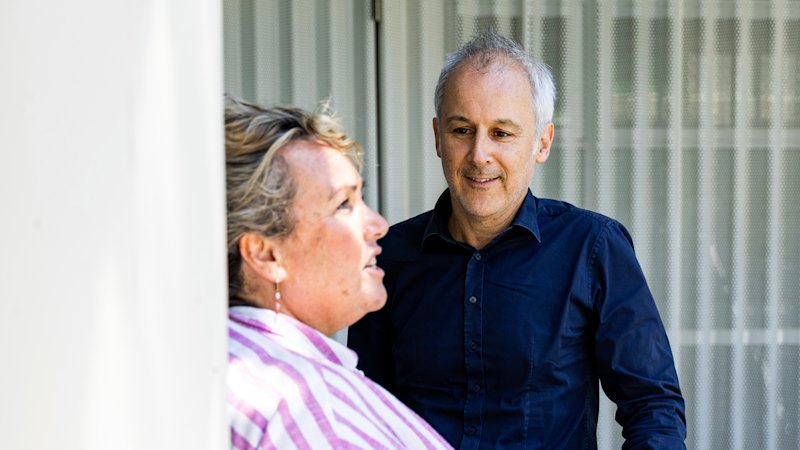
Affordable housing designed to inspire joy and pride among its residents has become a reality in Waterloo, Australia, where architect Dan Szwaj’s Boronia Apartments have transformed the perception of public housing. The project, led by architectural firm Turner, emphasizes high-quality design that challenges the stigma often associated with affordable housing. For Carrie-Anne Huddleston, a tenant who previously struggled to find stable and affordable accommodations after losing her job, the new housing block represents a fresh start. Her emotional response—tears of joy upon meeting Szwaj—highlights how thoughtful architecture can make affordable housing not just functional but desirable.
The Boronia Apartments, part of the $66 million Danks Street precinct, feature 76 one-bedroom units designed with modern aesthetics and practicality in mind. Unlike traditional public housing, which often suffers from utilitarian design flaws like dimly lit stairwells or maintenance issues, this project prioritizes light-filled spaces, scenic views, and sustainable features. For instance, the fire stairs have been transformed into a sleek spiral staircase, complete with Juliet balconies and green courtyards, while deck access walkways connect residents in a way that fosters community and safety.
Turner’s approach to architecture is “tenure-blind,” meaning it aims to create buildings that anyone would want to live in, regardless of income. This philosophy has earned the project accolades, including the 2023 Premier’s Prize for Architecture. Key design elements include hidden drainage systems, flush floor entries for accessibility, and robust finishes designed for long-term durability. These features not only enhance the living experience but also make maintenance easier, ensuring the building remains functional and appealing over time.
The success of the Boronia Apartments challenges conventional notions of affordable housing, offering a model that could inspire similar projects globally. By prioritizing quality design and resident well-being, such developments can help address the global housing crisis while fostering pride and community among residents. As urban planners and architects increasingly focus on creating inclusive and sustainable cities, initiatives like this demonstrate how innovative design can make affordable housing not just a necessity but a desirable lifestyle
Verticals
worldaustralia
Originally published on Sydney Morning Herald on 2/13/2026