
African Union: youth anger mounts over corruption, lack of accountability
South China Morning Post
by Associated PressFebruary 14, 2026
AI-Generated Deep Dive Summary
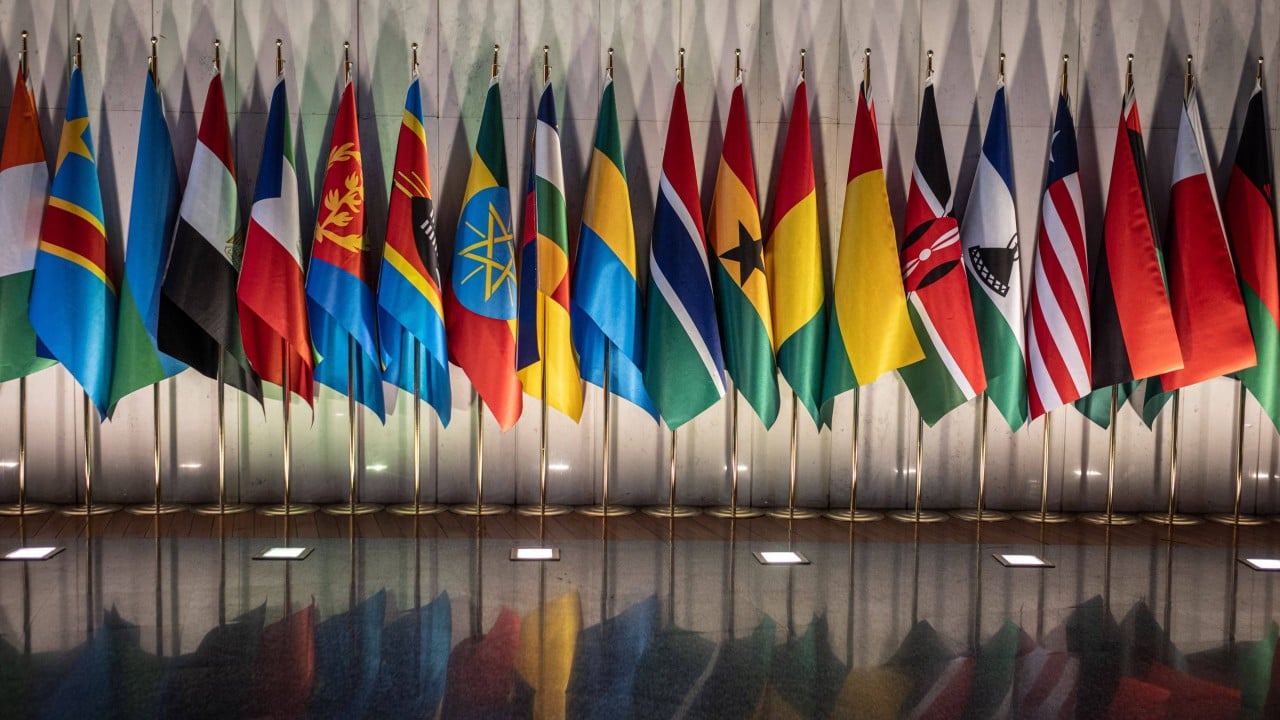
The African Union (AU) is grappling with growing frustration among its youth, who feel disconnected from the organization’s leadership and priorities. As the AU hosts its annual summit in Ethiopia, tensions are high due to widespread discontent, particularly among young people who view the body as out of touch with their needs and aspirations. Many believe the AU has failed to address corruption, lack of accountability, and economic struggles, which have fueled protests and instability across the continent.
Africa’s paradox of being home to the youngest population in the world—over 400 million people aged 15 to 35 years old, set to double by 2050—stands in stark contrast to its leadership. Several African countries are led by aging leaders or have experienced military coups, disputed elections, and unrest driven by economic hardship exacerbated by foreign aid cuts. This disconnect has created a legitimacy crisis for the AU, which was founded to promote unity among African states but is now seen by many as “a bloc of old leaders” out of touch with the realities faced by young people.
Experts warn that the AU’s failure to prioritize citizens over governments has contributed to growing frustration. Liesl Louw-Vaudran, a senior analyst with Crisis Group, highlights that the organization has missed opportunities to become more people-centered and citizen-driven. This lack of focus on ordinary Africans has left many feeling alienated, particularly as the continent faces rising poverty despite its rapidly growing population.
The implications of this disconnect are significant not only for Africa but for the global community. As the AU struggles with legitimacy, the continent’s youth are increasingly vocal in demanding change. Their frustration is fueled by economic decline and political instability, which they see as directly linked to corruption and ineffective leadership. This growing unrest underscores the urgent need for the AU to reevaluate its priorities and engage more meaningfully with young people if it hopes to maintain stability and drive sustainable development across Africa.
In a world where youth movements are increasingly influential, the AU’s failure to address these issues risks further instability and undermines its ability to promote unity and progress on the continent. The organization must act quickly to restore trust and credibility among its youngest citizens, or face the consequences of a widening legitimacy gap that could have far-reaching implications for Africa
Verticals
worldasia
Originally published on South China Morning Post on 2/14/2026