
AI helps find new clues in the 60-year search for Luna 9, the 1st successful moon lander
Space.com
by Sharmila Kuthunur February 19, 2026
AI-Generated Deep Dive Summary
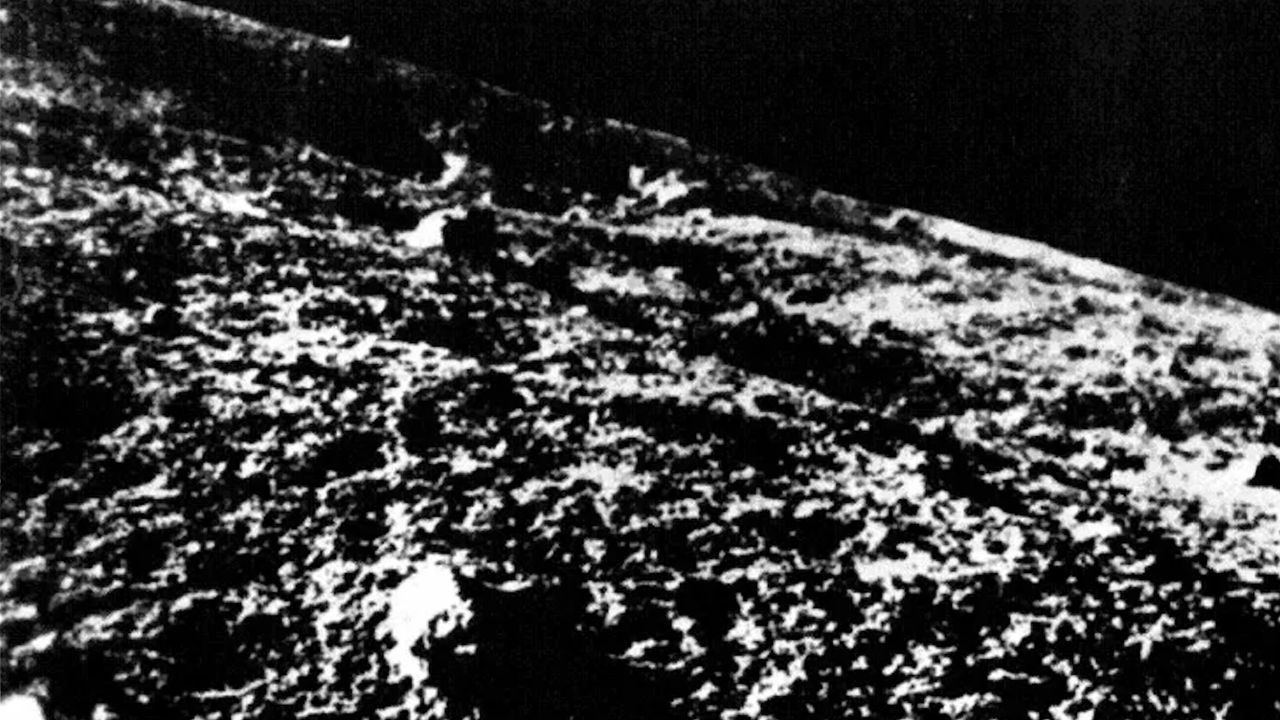
Scientists are getting closer to solving a decades-long mystery: the exact landing site of Luna 9, the first Soviet probe to safely land on the moon in 1966. Despite extensive efforts, the precise location has remained uncertain due to the probe's small size—about the size of a beach ball—and the limitations of lunar imaging technology. However, advancements in AI and new space missions are now shedding light on this elusive site.
Luna 9's landing marked a historic milestone by confirming that the moon's surface was solid enough for future exploration. After bouncing several times upon impact, it transmitted the first images from the lunar surface, which helped settle debates about the feasibility of human landings. Over the years, researchers have relied on NASA's Lunar Reconnaissance Orbiter (LRO) to search for clues, but the probe’s tiny size makes it difficult to distinguish from surrounding rocks and shadows.
Two independent research teams have recently narrowed down potential sites using different methods. One team, led by Lewis Pinault of University College London/Birkbeck, used artificial intelligence to analyze high-resolution images and identified a cluster of features near the historically reported landing region. Another effort, led by science communicator Vitaly Egorov, involved a public crowdsourcing project that analyzed orbital imagery for small anomalies.
The Soviet Union's original coordinates for Luna 9 were based on imprecise radio signal measurements, leaving a search area roughly 60 miles (100 km) wide. The two proposed sites are either within 3 miles (5 km) or about 15 miles (25 km) of these official coordinates. Researchers believe the upcoming images from India's Chandrayaan-2 orbiter, scheduled to pass over the region in March, could provide the clarity needed to confirm the exact
Verticals
spacescience
Originally published on Space.com on 2/19/2026