
Albanese apologises after labelling Grace Tame ‘difficult’
Sydney Morning Herald
by Brittany BuschFebruary 26, 2026
AI-Generated Deep Dive Summary
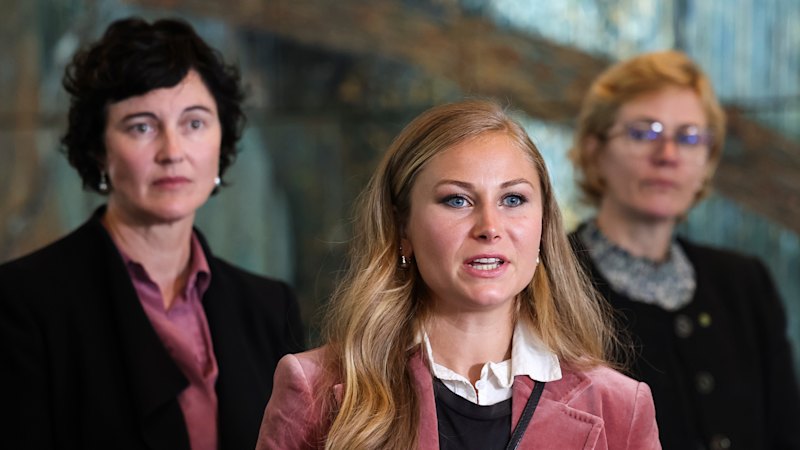
Prime Minister Anthony Albanese has issued a qualified apology after being criticized for calling former Australian of the Year Grace Tame “difficult” during a word association game at an event. Albanese clarified that he meant to refer to the difficulty of her life, not as a criticism of her character. The incident sparked widespread backlash, with many interpreting the comment as dismissive or even misogynistic, given Tame’s history of advocating for abuse survivors.
Tame herself pushed back against the Prime Minister’s remarks, sharing Instagram posts that criticized the use of the word “difficult” to describe women who challenge norms or resist compliance. Activists and allies praised her response, framing it as a defense of women’s strength and resilience. Writer Harrison James pointed out that the term often carries gendered undertones, calling Tame “courageous” for standing up against such language.
The controversy gained further attention due to Tame’s recent involvement in contentious political debates. Earlier this month, she led a chant at a pro-Palestinian rally using the phrase “globalize the intifada,” which has been condemned by some as inciting violence. This, along with Albanese’s comments, has drawn criticism from figures like NSW Labor Minister Matt Kean and Melbourne Liberal MP Tim Wilson, who have called for her Australian of the Year title to be revoked.
In response to the backlash, Albanese backtracked, emphasizing that he respects Tame’s advocacy work and acknowledged the difficulty of her life journey. Greens Senator Sarah Hanson-Yong praised “difficult women” as those who have fought for women’s rights, while actor Kath Ebbs celebrated Tame as a beacon of hope for abuse survivors.
The incident highlights broader conversations about gendered language in politics and the challenges faced by public figures who speak out on contentious issues. While some viewed Albanese’s remark as an oversight, others saw it as emblematic of deeper societal biases against women who assert themselves or challenge authority. Tame’s case underscores how even celebrated figures can face pushback for their activism
Verticals
worldaustralia
Originally published on Sydney Morning Herald on 2/26/2026