
Anthropic CEO again tells US government NOT to do what Nvidia CEO Jensen Huang has been 'begging' it for
Times of India
by TOI TECH DESKFebruary 14, 2026
AI-Generated Deep Dive Summary
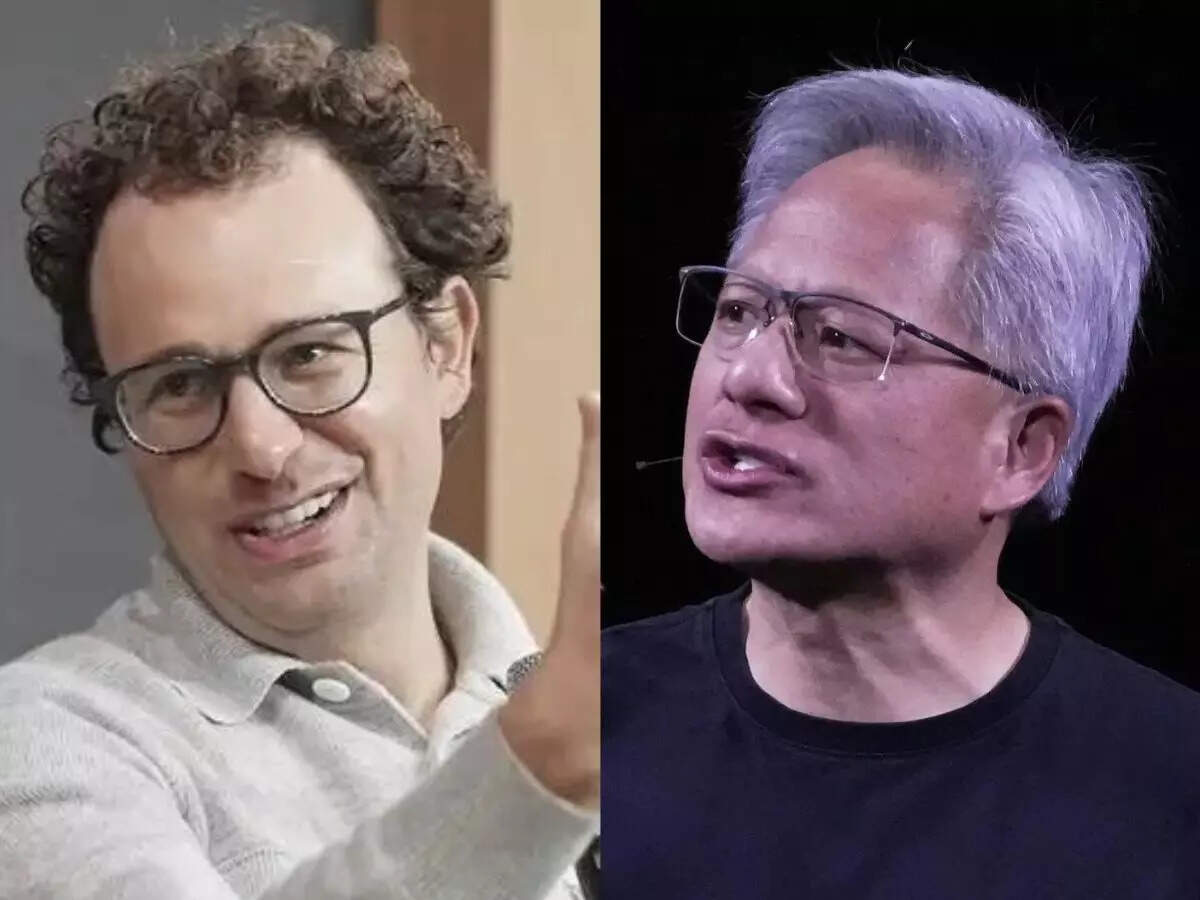
Anthropic CEO Dario Amodei has once again expressed strong opposition to selling advanced AI chips to China, warning that such a move would pose significant risks to global security and stability. In a recent podcast interview, Amodei argued that while the economic benefits of AI should be shared globally, critical computational power must remain out of reach from authoritarian governments. He emphasized that AI chips are not merely trade commodities but potential tools for surveillance and control, which could destabilize international relations if misused by authoritarian regimes.
Amodei’s stance directly contradicts efforts by Nvidia CEO Jensen Huang, who has been advocating for increased sales of AI chips to China. During the podcast, Amodei warned that allowing both the U.S. and China to develop equally powerful AI systems could lead to a dangerous standoff, far more perilous than nuclear deterrence. He suggested that unlike nuclear weapons, AI technology could be weaponized in ways that make mutual confidence in coexistence unlikely, potentially sparking conflicts.
Amodei also raised concerns about the ethical implications of AI in authoritarian contexts. He proposed the idea of designing AI tools to protect individuals from government surveillance within authoritarian countries—a bold but unproven concept. While he acknowledged the uncertainty of its success, he highlighted the importance of exploring such possibilities to counteract potential misuse of AI by authoritarian regimes.
Amodei’s comments reflect a broader debate over how AI technology should be regulated and distributed globally. He argued that while economic growth from AI will come quickly, ensuring fair distribution and protecting political freedom will be the real challenges. He suggested building data centers in regions like Africa to spread AI-driven industries outside the West, rather than concentrating them under authoritarian control.
The conflict between Amodei and Huang underscores the growing feud over AI policy, with both leaders having significantly different views on how to manage the technology’s global impact. As the U.S. considers export restrictions, this debate will likely shape the future of AI development and international relations.
Verticals
worldasia
Originally published on Times of India on 2/14/2026