
Are hostile gamers to blame for Highguard's failure?
Creative Bloq
by Joe Foley February 14, 2026
AI-Generated Deep Dive Summary
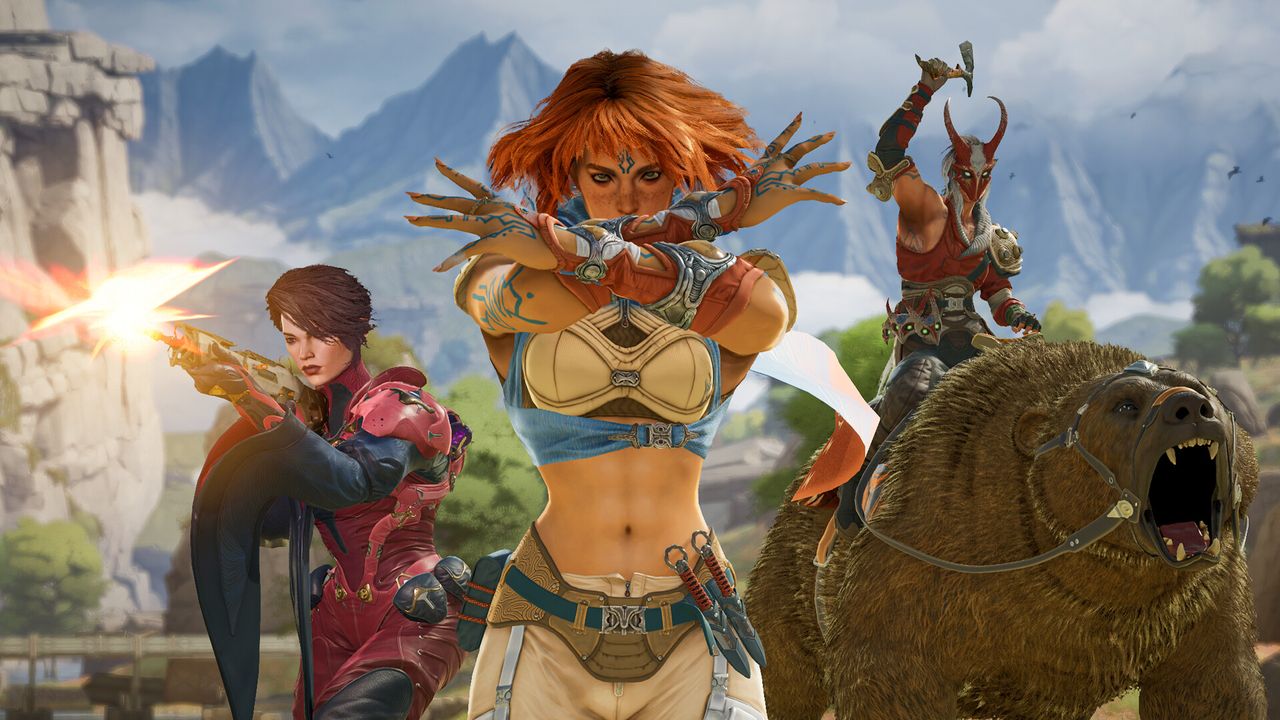
Highguard, a recently launched live-service shooter, faced a swift and harsh reception, leading Wildlight Entertainment to lay off most of its development team just two weeks after launch. The game's failure has been partly attributed to the overwhelming hostility from some gamers and content creators, which Josh Sobel, a tech artist involved in the project, believes played a significant role in its downfall. Sobel shared his personal struggles with the negative response, including being targeted by critics who judged the game without playing it and attacked him personally for his online comments. He highlighted how the rapid spread of negativity, often fueled by content creators, led to a flood of negative reviews and a damaged reputation for Highguard.
Wildlight's decision to shift focus to a core team reflects the challenges of maintaining a large-scale project in a highly scrutinized environment. Sobel emphasized that while constructive criticism exists, the level of hostility, particularly towards him and other developers, was unprecedented. He pointed out how some critics unfairly attacked his personal background, such as his mention of autism on social media, and mocked Wildlight's decision to partner with the Game Awards for free exposure. This backlash not only hurt the game's reputation but also created a toxic environment that led many team members to reconsider their career paths.
The broader implications of this situation are significant for anyone interested in design and creativity within the gaming industry. Sobel fears that the harsh judgment from online communities could discourage talented individuals from pursuing innovative indie projects, as seen with Highguard. He notes that several former developers are now rejoining larger corporations, citing the risks of facing similar backlash in future endeavors. This trend raises concerns about how social media-driven hostility might stifle creativity and limit the types of games that get made, ultimately affecting the diversity and originality of the industry.
In a world where public opinion can rapidly turn against a product or creator, the pressure on developers to meet expectations becomes immense. Sobel's experience underscores the challenges of balancing innovation with the demands of a hypercritical audience. For readers interested in design, this highlights the importance of fostering healthier online dialogues that support creativity rather than stifling it. Highguard's story serves as a cautionary tale about the impact of gamer culture on independent projects and the need for more nuanced discussions around game development.
Verticals
designart
Originally published on Creative Bloq on 2/14/2026