
Arizona AG Kris Mayes Goes to the Dark Side
RealClearPolitics
by Kenin Spivak, RealClearPoliticsFebruary 25, 2026
AI-Generated Deep Dive Summary
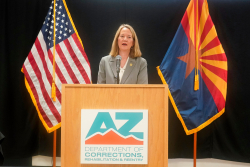
Arizona Attorney General Kris Mayes has sparked controversy by advising residents on when it is legally permissible to use deadly force against ICE agents. In a statement that has drawn sharp criticism, Mayes appeared to encourage Arizonans to confront federal immigration enforcement officials under certain circumstances, raising questions about her stance on state versus federal authority. This comes amid broader tensions between Democratic-led states and the federal government over issues like immigration policy.
The situation highlights a growing divide in American politics, with some state leaders actively challenging federal actions. Mayes' comments have been interpreted as an escalation in this ongoing conflict, potentially setting a dangerous precedent for how states interact with federal agencies. Critics argue that such rhetoric not only undermines the rule of law but also risks inflaming already tense relations between local communities and federal enforcement.
This controversy matters because it underscores deeper divides over immigration policy and state sovereignty. As federal agencies continue to enforce immigration laws, some state officials are pushing back, creating a volatile mix of legal and political tensions. Mayes' advice has drawn condemnation from both within her party and across the aisle, with critics warning that such statements could have serious consequences for public safety and intergovernmental cooperation.
The broader context includes a national debate over the role of ICE and the federal government's authority to enforce immigration laws. States like Arizona have long been at the center of this discussion due to their proximity to the U.S.-Mexico border and historical concerns about undocumented migration. Mayes' remarks reflect a broader trend of state-level resistance to federal policies, particularly under Democratic leadership.
Ultimately, this incident raises important questions about the limits of state authority and the potential for escalation in conflicts between states and the federal government. As political tensions continue to rise, such statements could set a concerning precedent for how states respond to federal actions—potentially leading to further divisions and challenges to the nation's legal framework.
Verticals
politicsnews
Originally published on RealClearPolitics on 2/25/2026