
Armadas near Tehran: Why US is signalling war but not pulling the trigger
Times of India
by TOI WORLD DESKFebruary 14, 2026
AI-Generated Deep Dive Summary
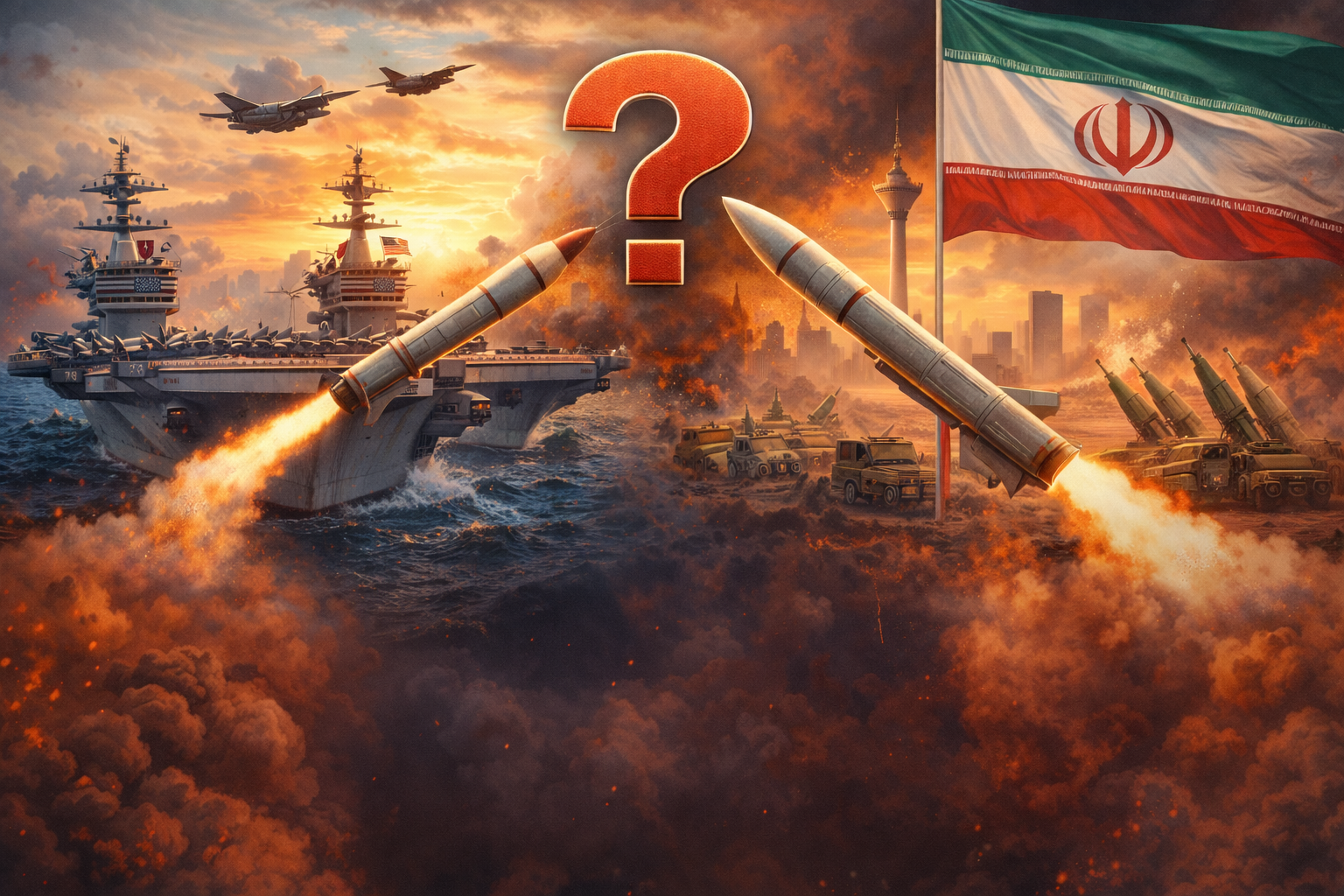
The United States has significantly increased its military presence in the Middle East by deploying two aircraft carrier strike groups near Iran, signaling a strong show of force without directly engaging in conflict. The USS Abraham Lincoln and the USS Gerald R. Ford, the latter being the world’s largest aircraft carrier, have been positioned in the region to demonstrate operational flexibility and defensive capabilities. Each carrier serves as a mobile airbase, capable of launching sustained strike missions, enforcing air superiority, and supporting missile defense systems. This dual-carrier deployment is rare and underscores America’s readiness for prolonged operations in the Gulf.
The escalation between the U.S. and Iran has unfolded gradually, influenced by domestic unrest in Iran, stalled nuclear talks, and strategic military moves. In late December, anti-government protests erupted across Iran following economic grievances, leading to a harsh crackdown by security forces. Washington responded with warnings against further repression, with President Donald Trump emphasizing that all options remained on the table. By mid-January, the Abraham Lincoln was redirected from the Indo-Pacific to the Middle East, significantly boosting U.S. strike capacity in the Arabian Sea. Tensions escalated further in early February when a U.S. F-35C shot down an Iranian drone and responded to Iranian vessels near a tanker in the Strait of Hormuz.
The U.S. military is preparing for sustained operations, potentially weeks-long, against Iran if ordered by the president. Unlike previous limited strikes, current contingency plans include targeting not only nuclear
Verticals
worldasia
Originally published on Times of India on 2/14/2026