
Art as advocacy: Philippine mural contest adds to South China Sea messaging push
South China Morning Post
by Raissa RoblesFebruary 23, 2026
AI-Generated Deep Dive Summary
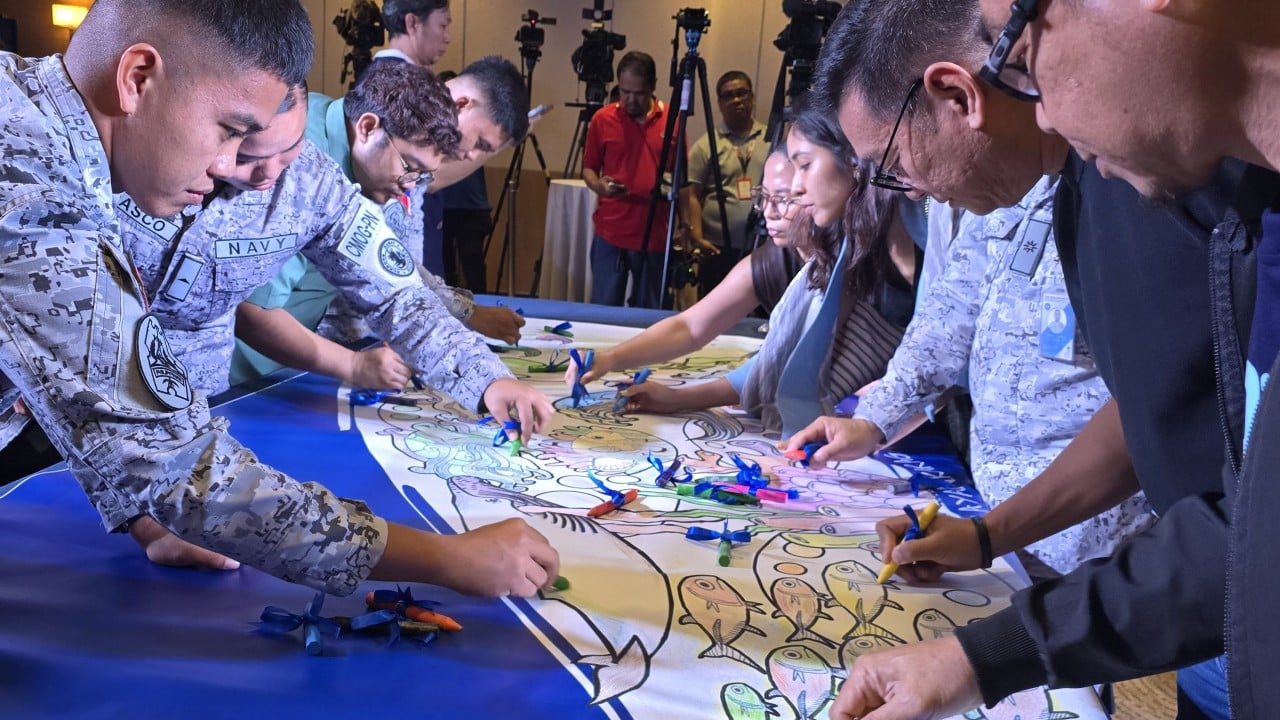
A nationwide mural contest backed by Philippine government agencies has been launched in Manila as part of a broader cultural initiative to shape public narratives about the South China Sea dispute. Organized by a Manila-based maritime think tank with support from state institutions like the National Commission for Culture and the Arts, the competition encourages artists, students, and ordinary Filipinos to create large-scale murals inspired by the "West Philippine Sea." This effort is part of a growing trend of cultural diplomacy aimed at asserting national identity and sovereignty in the face of territorial disputes.
The contest reflects a broader shift toward using art and culture as tools for advocacy. Similar initiatives include renaming streets, creating museums, and promoting historical narratives that emphasize the Philippines' connection to the South China Sea. These efforts are increasingly seen as a way to counterbalance China's influence in the region without resorting to military confrontation.
The mural contest, which is open to submissions from schools, communities, and individual artists, seeks to foster public engagement with the issue of territorial sovereignty. By involving ordinary citizens, the initiative aims to create a sense of collective ownership over the narrative surrounding the South China Sea. The murals will likely be displayed in public spaces across the country, serving as both aesthetic landmarks and reminders of the government's stance on national rights.
For readers interested in global affairs, this story highlights the growing role of cultural and diplomatic strategies in international relations. As tensions between the Philippines and China over the South China Sea persist, such initiatives reflect a shift toward non-traditional approaches to asserting sovereignty. By leveraging art and culture, the Philippine government is attempting to influence public perception both domestically and internationally, offering a unique lens through which to view the complexities of territorial disputes in Southeast Asia.
Verticals
worldasia
Originally published on South China Morning Post on 2/23/2026