
Audiophiles! What's the difference between mud, a banana and audio cables? Not a lot, actually...
Creative Bloq
by Beren Neale February 22, 2026
AI-Generated Deep Dive Summary
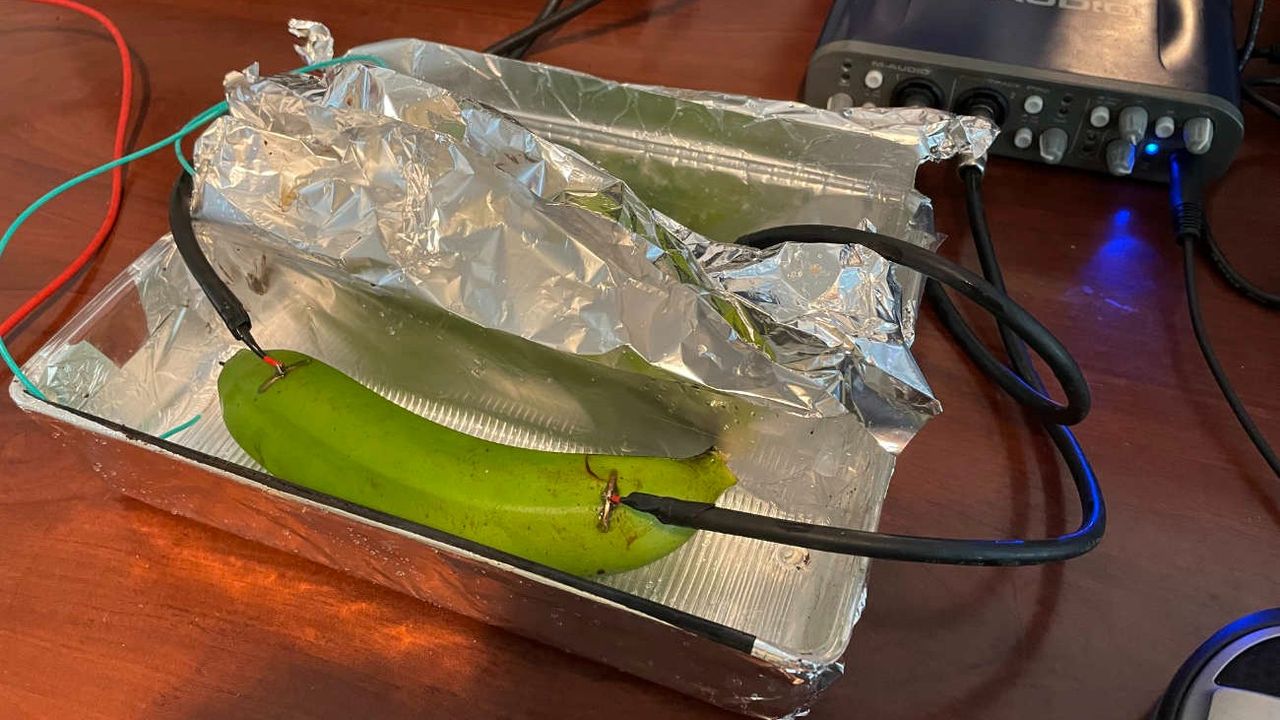
Michael Mardis, a retired audio engineer and moderator on diyAudio.com, conducted an intriguing experiment challenging common assumptions about audio cable quality. He recorded the same tracks using copper interconnects, 20cm of volcanic mud, and 13cm of unripe banana. Despite the vastly different conductors, frequency response measurements were nearly identical across all materials. This highlights that over short distances, even poor conductors can carry line-level signals without significantly altering sound quality within the audible range (20Hz to 20kHz). The experiment underscores the myth that expensive cables are always necessary for high-quality audio传输.
Mardis' setup was intentionally simple and low-tech. A Dell laptop running Reaper fed audio through an M-Audio Fast Track Pro interface, with the mud in foil-lined trays and bananas probed with pennies soldered to old mic cable. This minimalist approach aimed to eliminate variables like noise interference, which had plagued his earlier tests. By including the original recording as a control, he ensured that any deviations could be attributed solely to the test materials.
The implications of this experiment are particularly relevant for creative professionals and audiophiles. For short-run interconnects (like those between monitors or preamps), the choice of conductor matters far less than previously thought. While high-current applications like speaker cables require proper gauge and low resistance, line-level connections benefit more from simple shielding than expensive materials. This revelation challenges the notion that $200 cables offer significant advantages over budget options in short runs.
For designers and tech enthusiasts, this experiment offers a refreshingly straightforward conclusion: well-made, properly shielded cables are sufficient for most short-distance audio needs. The focus should be on minimizing noise and ensuring proper connections rather than investing in costly materials. Michael's findings not only simplify cable selection but also invite audiophiles to question the value of expensive components in specific contexts.
Ultimately, Mardis' work challenges industry assumptions and encourages a more critical approach to cable selection. His experiment serves as both a testament to the limitations of human hearing and a reminder that sometimes, the simplest solutions are the most effective. Whether you're an audio professional or just curious about the science behind sound transmission, this experiment offers valuable insights into the true impact of cables on audio quality.
Verticals
designart
Originally published on Creative Bloq on 2/22/2026