
'Babar Azam has found himself a little bit behind': Faf du Plessis explains Pakistan star’s T20 World Cup struggles
Times of India
by TOI SPORTS DESKFebruary 22, 2026
AI-Generated Deep Dive Summary
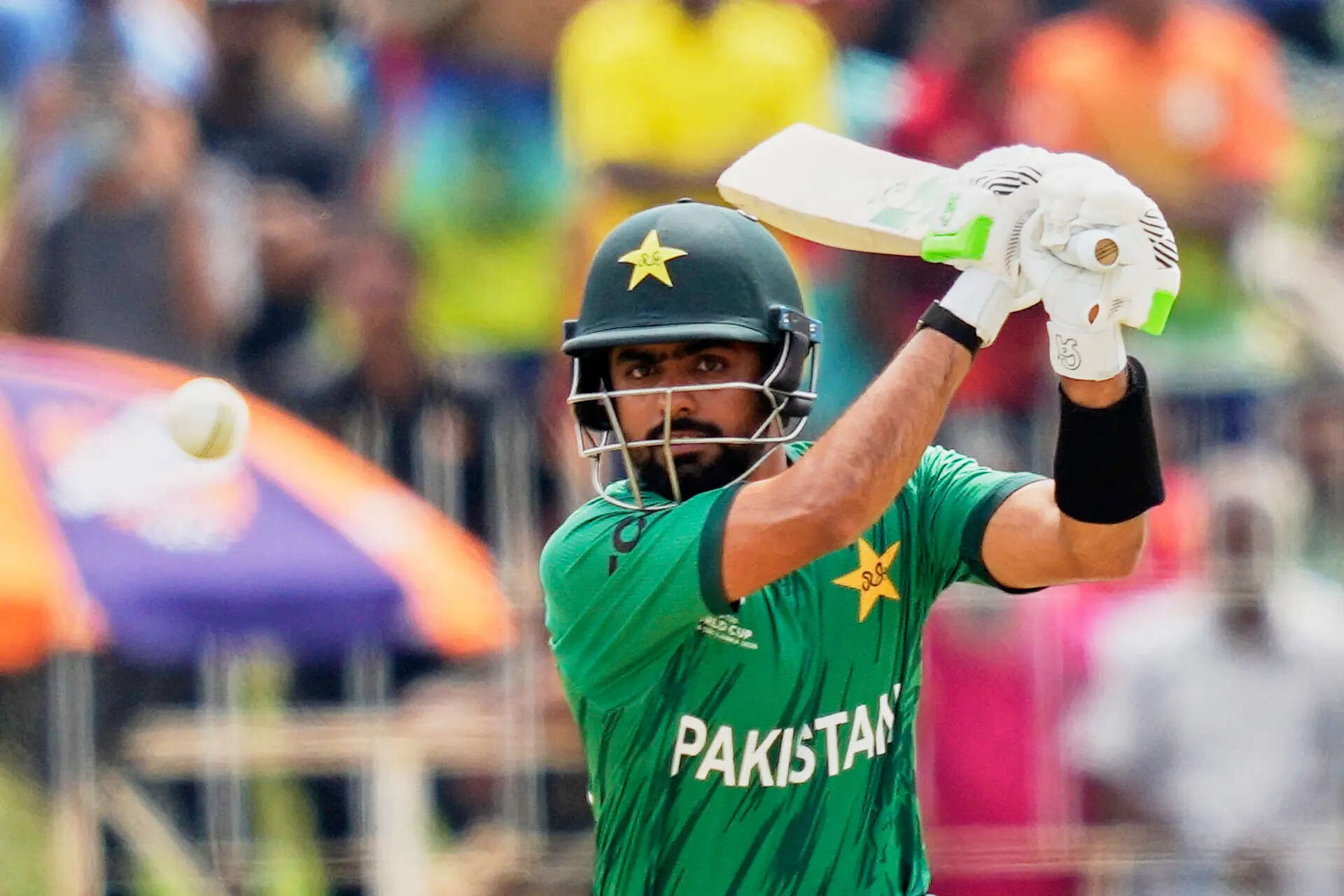
Pakistan's star batter Babar Azam has faced a challenging start in the T20 World Cup, scoring just 66 runs across four matches with a low strike rate. This underperformance has led Pakistan’s coaching team, including head coach Mike Hesson, to shift him from his customary opening role to the middle order—a decision that has sparked debate among cricket enthusiasts.
Faf du Plessis, former South Africa captain and a respected cricket analyst, has endorsed this strategic move. He explained that modern T20 cricket demands rapid scoring, especially in the powerplay, with strike rates now needing to be between 160-200 to be effective. Du Plessis noted that while Babar is traditionally known for his consistency and skill, the game’s evolution has left him slightly behind in terms of pace and aggression.
Despite the shift, du Plessis emphasized Babar’s enduring value, particularly on slower or spin-friendly pitches where strike rotation becomes crucial. He suggested that Hesson’s approach aims to maximize Babar’s strengths in such conditions, ensuring his contributions remain impactful even if he isn’t opening the innings anymore. On flat wickets, however, this role is less critical, highlighting the tactical adjustments required in contemporary cricket.
This situation underscores the dynamic nature of T20 cricket and the constant evolution of player roles. It also reflects how teams are adapting to maximize their strengths under different conditions. For fans of world cricket, this shift in Babar’s role offers insights into the strategic depth and complexity of modern cricketing strategies.
Verticals
worldasia
Originally published on Times of India on 2/22/2026