
Bangladesh election results: What BNP’s win means for India
Times of India
by TOI NEWS DESKFebruary 13, 2026
AI-Generated Deep Dive Summary
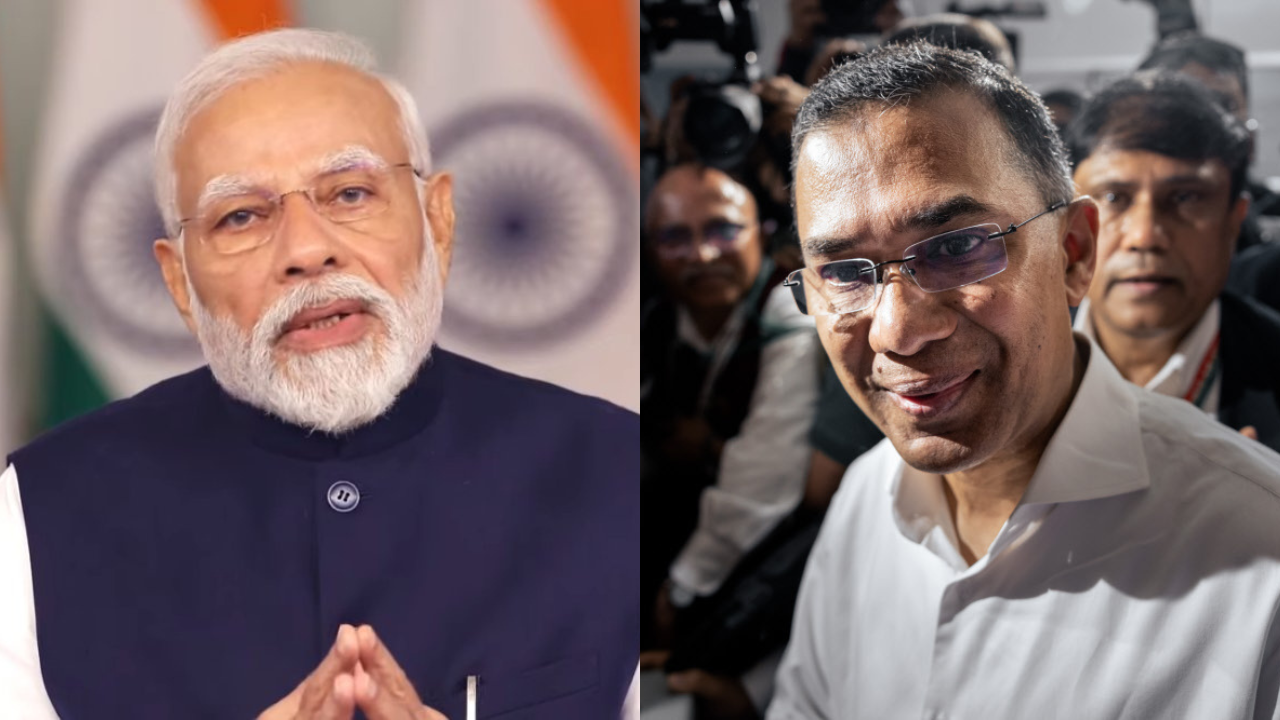
Bangladesh’s recent parliamentary elections have seen the Bangladesh Nationalist Party (BNP), led by Tarique Rahman, secure a landslide victory. This marks a significant shift in the political landscape of Bangladesh, particularly as it comes after the 2024 uprising that ousted former Prime Minister Sheikh Hasina. The BNP’s win has sparked both celebration and concerns, with rival parties accusing foul play. India, however, has extended warm Congratulations to Rahman, signaling its readiness to engage with the new government.
The election was largely a two-way contest between the BNP and an 11-party alliance led by the Islamist Jamaat-e-Islami. Tarique Rahman, son of the late Prime Minister Khaleda Zia, returned from 17 years of self-exile in London to lead the BNP to this decisive victory. India’s strategic partnership with Bangladesh had been strong under Sheikh Hasina, but relations have frayed since her ouster. The new administration will need to recalibrate ties with India, which has long seen Dhaka as a key partner for regional stability.
The BNP’s history with India is marked by periods of friction, particularly during its previous stints in power from 1991–96 and 2001–06. Tensions peaked in the early 2000s when the BNP-led government was accused of failing to curb anti-Indian insurgent groups operating from Bangladeshi territory. While Rahman has expressed a desire for mutual respect and understanding, he has also emphasized that normalizing relations depends on India’s actions, including addressing the issue of Sheikh Hasina’s refuge in India.
The safety of minorities, particularly the Hindu community, remains a critical concern in bilateral ties. Since Hasina’s ouster last year, several incidents of violence against minorities have been reported, prompting strong reactions from India. The new government’s stance on minority rights will be closely watched, as it could impact regional stability and India’s engagement with Bangladesh.
This political shift in Dhaka has significant implications for South Asian geopolitics. While the BNP’s victory represents a decisive mandate for change, its ability to address India’s concerns and recalibrate bilateral ties will be crucial for maintaining regional peace and cooperation. The
Verticals
worldasia
Originally published on Times of India on 2/13/2026