
Business - Iran shuts down the Strait of Hormuz. What more can it do?
France 24
by Yuka ROYERMarch 2, 2026
AI-Generated Deep Dive Summary
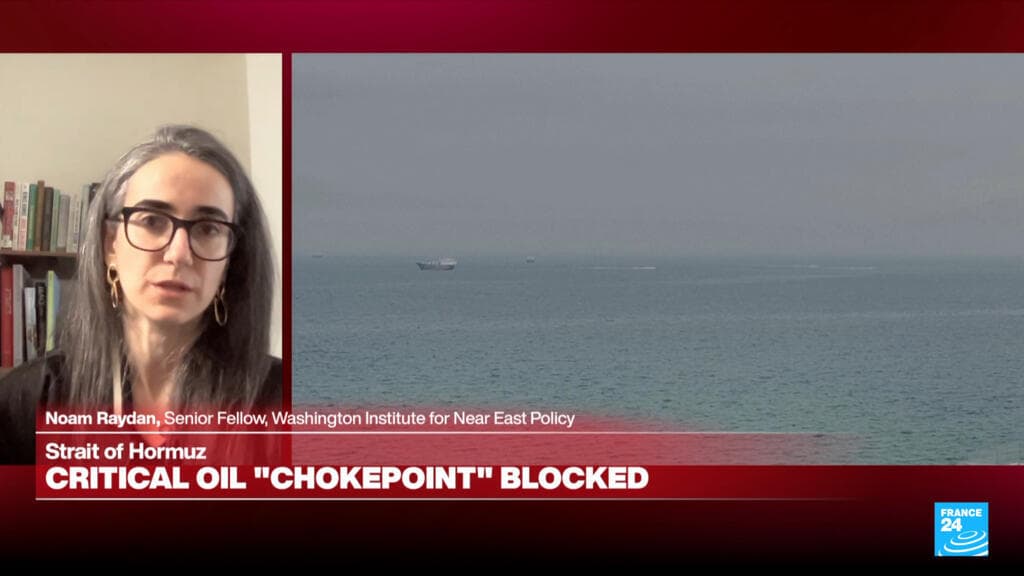
Iran has taken a significant step by declaring the Strait of Hormuz closed and threatening military action against any ship passing through it. This narrow waterway is a critical chokepoint for global oil and gas trade, as well as other essential commodities like fertiliser. The move escalates tensions in the region and raises concerns about its impact on international maritime security and energy supplies.
The Strait of Hormuz is vital to global trade, with over $1 trillion worth of goods passing through it annually. Iran's announcement has sent shockwaves through the oil market, causing prices to rise as fears of supply disruptions grow. The closure could lead to shortages of oil, gas, and fertiliser, affecting industries worldwide.
Noam Raydan, a maritime risk expert at the Washington Institute for Near East Policy, discusses the potential consequences of Iran's actions. He highlights the risks to global trade, including delays in shipping, increased insurance costs, and heightened security concerns for vessels passing through the strait. The situation could also escalate further if Iran takes additional measures, such as targeting tankers or deploying mines.
This development matters because it underscores the fragile state of international maritime security and the potential for regional conflicts to disrupt global markets. As tensions rise, the world is closely watching how Iran's actions will impact oil prices, trade routes, and international relations. The situation highlights the delicate balance of power in the Middle East and the broader implications for global economics and stability.
Verticals
worldpolitics
Originally published on France 24 on 3/2/2026