
Calls for needle-exchange program after hundreds of prisoners at risk
Sydney Morning Herald
by Courtney KrukFebruary 25, 2026
AI-Generated Deep Dive Summary
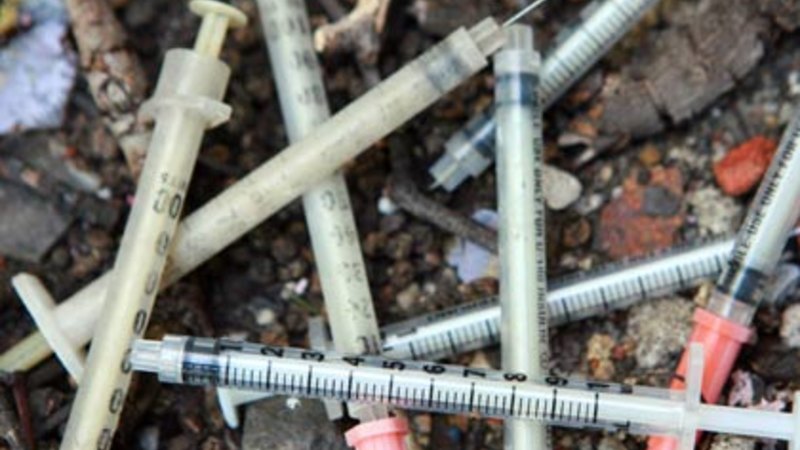
Queensland’s prisons are facing a critical public health crisis after nearly 300 prisoners were potentially exposed to HIV and hepatitis C through shared injecting equipment. The state government has rejected calls for a needle-exchange program, despite concerns raised by health experts. A memo revealed that an infected prisoner may have exposed others during their time in custody, prompting health officials to urge testing for those affected. This incident highlights the urgent need for harm reduction strategies within correctional facilities to prevent further outbreaks of blood-borne viruses.
The situation arises from a lack of sterile equipment access in prisons, where drug use remains widespread. Studies show that nearly 30% of prisoners have injected drugs at some point, with Queensland recording the highest rates. Former inmates have shared harrowing stories of reusing needles and improvised injecting materials, such as bread bags and pens. These practices not only risk spreading infections but also underscore systemic failures in addressing the health needs of prisoners.
Health advocates argue that needle-exchange programs are a proven way to reduce transmission of diseases like hepatitis C and HIV. Lucy Clynes of Hepatitis Australia emphasizes that prisons are high-risk environments for viral transmissions, and evidence-based interventions are essential. Denying access to sterile equipment may even breach Queensland’s Human Rights Act, which mandates equal healthcare standards for inmates as those in the general community.
Despite these concerns, the government has maintained a hardline stance. Health Minister Tim Nicholls stated that needles have no place in prisons, citing officer safety as the primary concern. Correctional services claim they prohibit needle possession to protect staff, but critics argue this approach puts both prisoners and the broader community at risk by failing to address the root causes of drug use behind bars.
This issue matters globally as it raises questions about public health priorities and human rights in detention settings. The lack of harm reduction measures not only endangers inmates but also poses a potential threat to community health when released individuals may carry undiagnosed infections. Addressing this crisis requires a balanced approach
Verticals
worldaustralia
Originally published on Sydney Morning Herald on 2/25/2026