
Can German stealth cargo gliders boost Japan’s remote island defence and logistics?
South China Morning Post
by Julian RyallFebruary 14, 2026
AI-Generated Deep Dive Summary
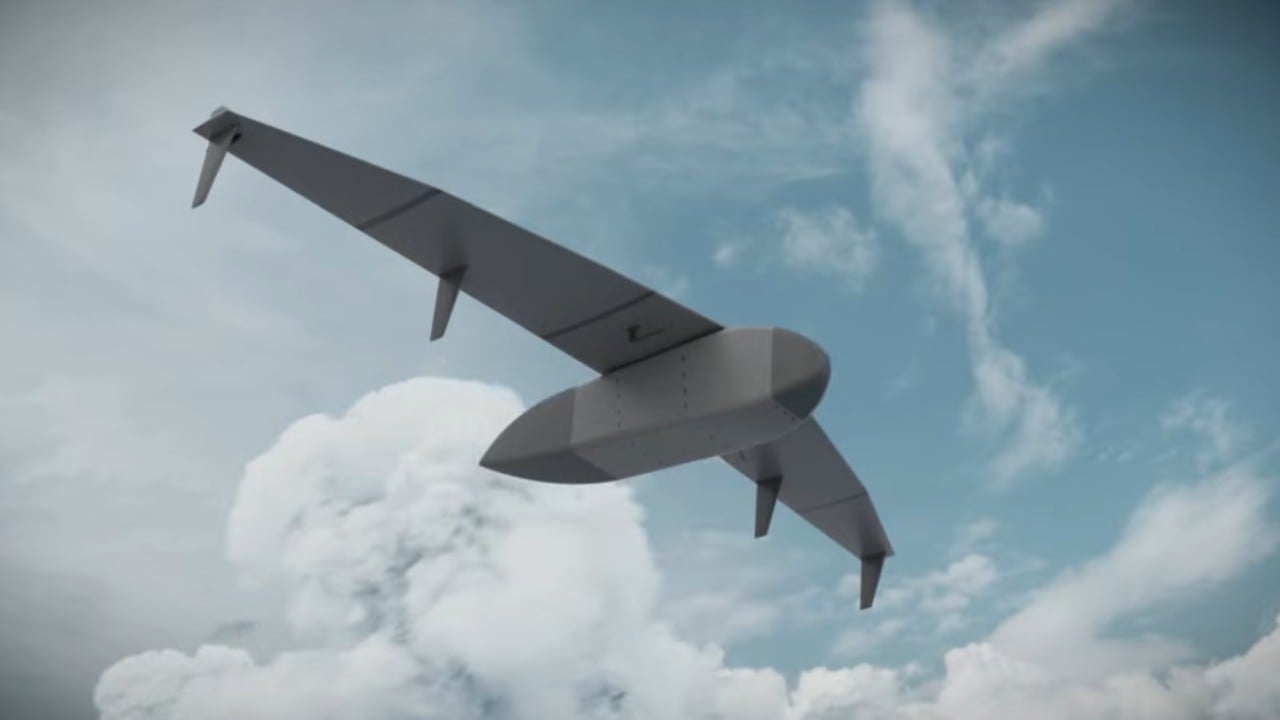
A German defense company, Hensoldt, has made significant strides in developing an uncrewed cargo glider called the High-Altitude Drop Infiltrating System (HADIS). This technology aims to revolutionize logistics and frontline support for military operations by delivering supplies autonomously over long distances. The system was tested successfully when a scaled-down version of the glider was released from a transport aircraft, showcasing its potential for remote and challenging environments.
Japan is particularly interested in this technology due to its strategic importance in defending the remote islands located far southwest of the Japanese archipelago. These islands are critical for national security but face significant logistical challenges, including harsh weather conditions and limited infrastructure. The HADIS glider could provide a solution by bypassing traditional supply chain vulnerabilities, delivering goods without requiring human pilots, and ensuring reliable resupply even in high-risk zones.
The development of such technology aligns with Japan's growing focus on enhancing its defense capabilities in remote areas. By leveraging autonomous systems like the HADIS glider, Tokyo aims to bolster its military readiness and improve operational efficiency. This partnership with German defense innovators highlights a broader trend of international collaboration in advancing cutting-edge defense technologies.
The significance of this advancement extends beyond Japan, offering potential benefits for other nations facing similar logistical challenges in remote regions. As global powers increasingly rely on advanced technology to maintain strategic advantages, the HADIS glider represents a leap forward in unmanned logistics capabilities. Its successful development and deployment could pave the way for more efficient and resilient supply chains, not just for military operations but also for humanitarian efforts in inaccessible areas.
In conclusion, the collaboration between German defense innovators and Japanese military planners underscores the transformative potential of autonomous cargo gliders in modern warfare and logistics. This technology not only addresses critical gaps in remote island defense but also sets a new standard for future defense innovations worldwide.
Verticals
worldasia
Originally published on South China Morning Post on 2/14/2026