
Can Trump overturn Supreme Court tariff ruling? What US Constitution says
Times of India
by TOI BUSINESS DESKFebruary 20, 2026
AI-Generated Deep Dive Summary
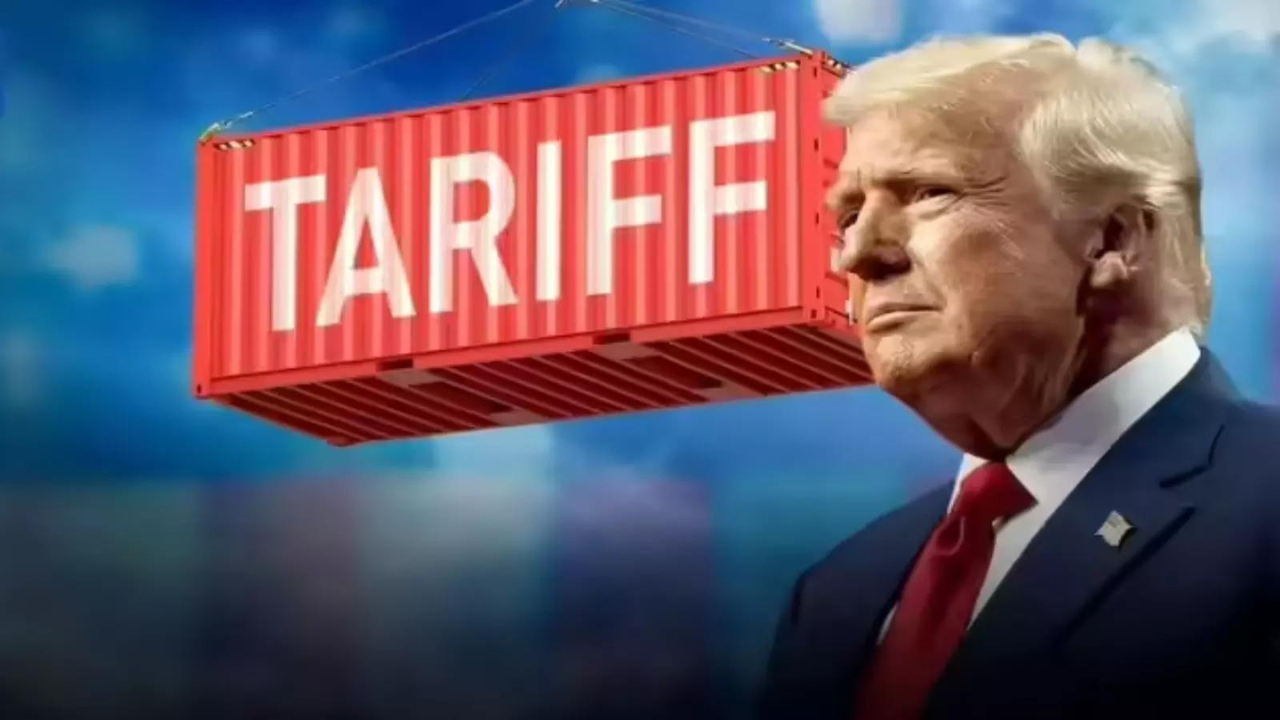
The U.S. Supreme Court’s recent ruling striking down tariffs imposed under emergency powers has sparked a significant constitutional debate: Can a president override or bypass a Supreme Court decision on tariffs? The answer lies in the U.S. Constitution’s separation of powers, which clearly states that a president cannot reverse a Supreme Court ruling. While the judiciary branch has the final word on constitutional interpretation, the executive branch must comply with its decisions.
In the case *Learning Resources Inc. v. Trump*, the Court ruled that the International Emergency Economic Powers Act (IEEPA) does not grant the president authority to impose tariffs. The Justices emphasized that tariffs are considered taxes, a power reserved for Congress under Article I of the Constitution. This decision reaffirms the principle of dividing governmental powers among three branches: Congress writes laws and controls taxation and tariffs; the president executes and enforces laws; and courts interpret laws and resolve disputes.
The ruling highlights the “major questions doctrine,” which requires clear congressional authorization for executive actions with significant economic and political implications. The Court’s decision underscores the importance of preventing unchecked presidential authority, particularly in areas like trade policy that impact global relations. While this specific ruling blocks tariffs imposed under IEEPA, it does not entirely eliminate presidential trade power. Presidents can still seek new legislation from Congress or utilize other trade laws with explicit procedures for imposing tariffs.
This case matters globally because it sets a precedent for U.S. trade policy and international relations. The ruling could influence how other countries interact with the U.S. in terms of trade agreements and economic diplomacy. For readers interested in world affairs, this decision reveals a critical balance between executive power and constitutional checks, shaping the future of U.S. trade policies and its role on the global stage.
Verticals
worldasia
Originally published on Times of India on 2/20/2026