
China adds Japanese entities to export control list, turning up heat on Tokyo
South China Morning Post
by Ji Siqi,Kandy WongFebruary 24, 2026
AI-Generated Deep Dive Summary
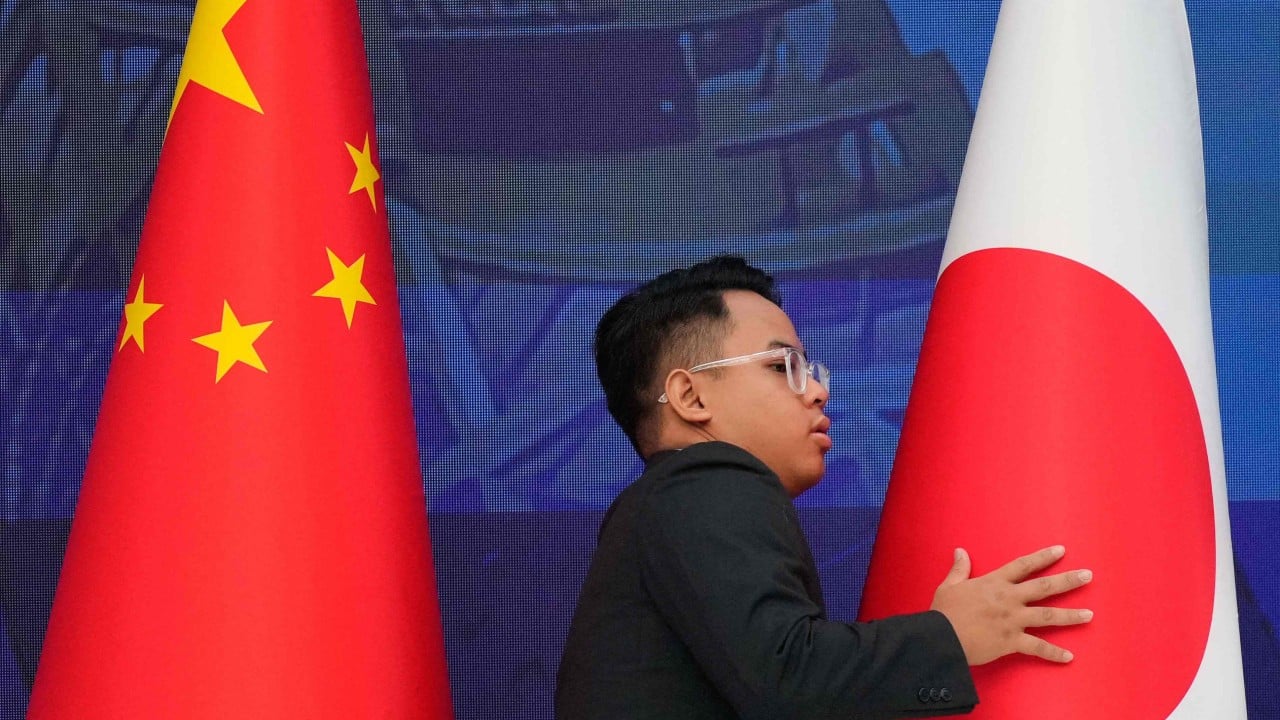
China has taken a significant step in escalating its economic engagement with Japan by adding 20 Japanese entities to its export control list and another 20 to a watch list. This move restricts the export of dual-use goods—items that can be repurposed for military or civilian applications—from Chinese companies to these designated firms, according to Beijing’s Ministry of Commerce. The decision marks an escalation in the ongoing diplomatic tensions between the two Asian powers and signals China's growing economic leverage over Japan.
The restrictions target a range of industries, including technology, manufacturing, and defense-related sectors, which are crucial to Japan's economy. By limiting access to dual-use goods, China aims to curtail Tokyo’s ability to acquire materials essential for both military and commercial applications. This tightening of trade ties comes amid heightened tensions over issues such as territorial disputes in the East China Sea, semiconductor technology, and regional security alignments.
This development underscores the increasingly complex dynamics between two of Asia's largest economies. While Japan has long been a key ally of the United States, China is leveraging its economic influence to assert itself on the global stage. The move also reflects Beijing's broader strategy to control the flow of strategic materials, ensuring that its own interests are preserved while potentially disrupting supply chains that rely on Japanese businesses.
The implications of this decision extend beyond bilateral trade relations. It highlights the growing competition in Asia's tech and manufacturing sectors, where both countries are vying for dominance. Observers note that this could lead to retaliatory measures from Japan, further straining already delicate diplomatic relations. The situation also raises questions about how other nations, particularly those reliant on both Chinese and Japanese exports, will navigate this evolving trade
Verticals
worldasia
Originally published on South China Morning Post on 2/24/2026