
China boy sues dad for taking his US$11,500 red packet money to cover remarriage expenses
South China Morning Post
by Yating YangFebruary 26, 2026
AI-Generated Deep Dive Summary
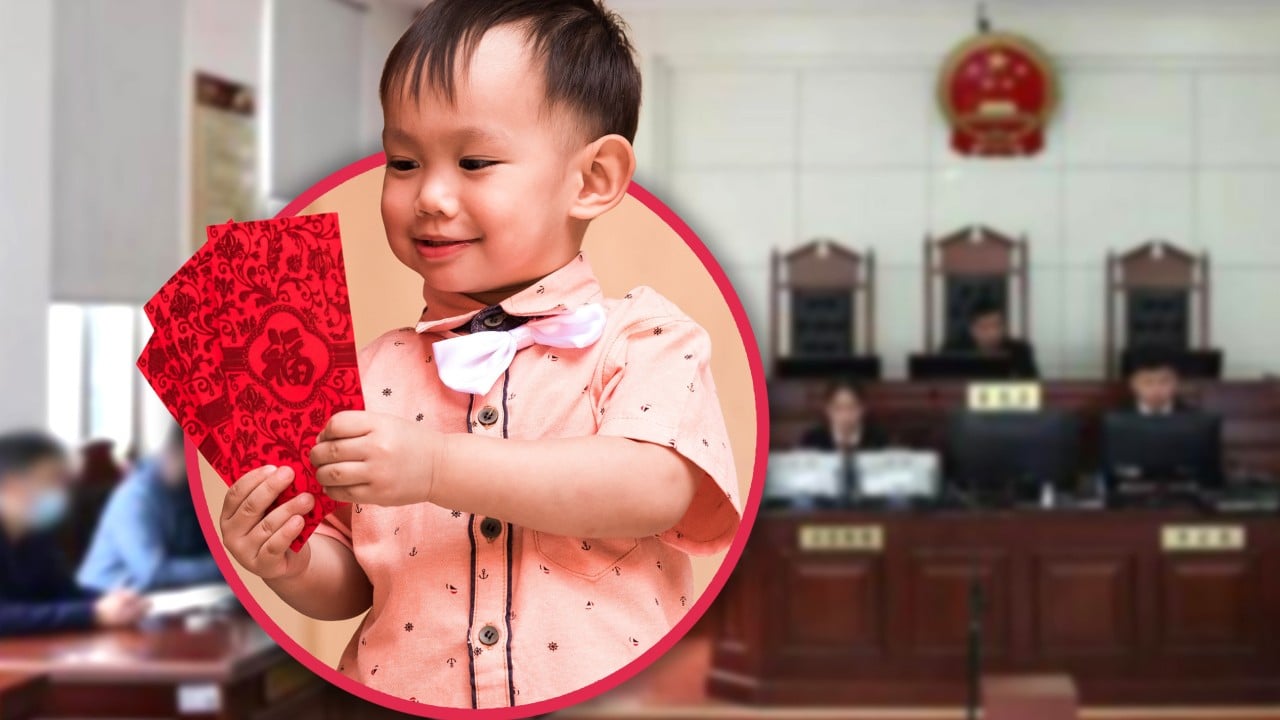
A Chinese father who took over 80,000 yuan ($11,500) from his son’s Lunar New Year “red packet” money to cover remarriage expenses has lost a legal battle to keep the funds. The boy, identified as Xiaohui and aged 10, had accumulated the money over several years through traditional red packets given during Chinese New Year celebrations. His father, with whom he lives since their parents divorced two years ago, confiscated the savings to pay for his new wedding ceremony. The court ruled in favor of Xiaohui, compelling his father to return the full amount.
The case gained attention due to its unusual nature and the cultural significance of red packets, which are traditionally seen as a way to bring good fortune and blessings. Red packet money is often given by relatives and friends during celebrations, including weddings, birthdays, and Lunar New Year. In China, children sometimes save these gifts, viewing them as their own property or future savings.
Xiaohui’s legal victory highlights the complexities of family dynamics in modern China, particularly after divorce. While parents are legally required to support their children, this case raises questions about who holds authority over a child’s assets. The boy’s father argued that he was acting in his son’s best interest by managing his finances, while Xiaohui’s mother supported her son’s claim, emphasizing the importance of respecting his rights as a minor.
This case also sheds light on shifting societal norms regarding inheritance and financial responsibility in China. As families navigate modern legal systems, traditional customs like red packets are being reinterpreted in contemporary contexts. The ruling sets a precedent for how courts might handle similar disputes, balancing cultural traditions with legal obligations to protect minors’ rights.
The broader implications of this case extend beyond China, offering insights into global debates about parental responsibilities and children’s financial autonomy. It underscores the importance of understanding cultural practices within legal frameworks, particularly in regions where traditional customs play a significant role in family life.
Verticals
worldasia
Originally published on South China Morning Post on 2/26/2026