
China helps Zimbabwe grow US$1.2 billion tobacco crop amid debt, health concerns
South China Morning Post
by Jevans NyabiageFebruary 20, 2026
AI-Generated Deep Dive Summary
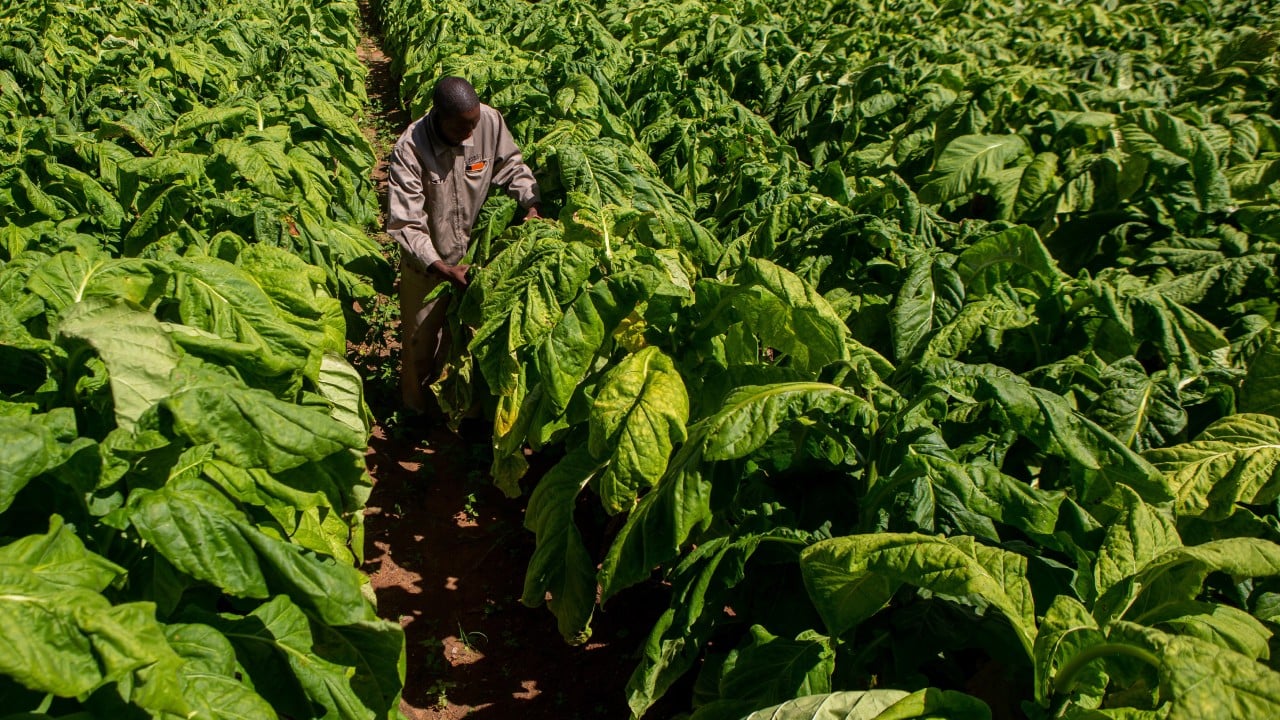
China’s demand for tobacco has fueled a remarkable revival in Zimbabwe’s tobacco industry, which produced a record 352.7 million kilograms of the crop last year, valued at approximately US$1.2 billion. This significant turnaround comes despite ongoing concerns about debt and health risks associated with tobacco production. Once on the brink of collapse two decades ago without Chinese investment, the industry has become a cornerstone of Zimbabwe’s economy, particularly in its trade with China. As the country’s largest agricultural export and primary foreign currency earner, tobacco plays a critical role in shaping its economic relationship with Beijing.
The partnership between Zimbabwe and China highlights the interconnectedness of global supply chains and economic dependencies. While Chinese demand has bolstered Zimbabwe’s tobacco industry, it has also raised concerns among health campaigners who criticize the crop for contributing to smoking-related illnesses. Despite these criticisms, tobacco remains a vital source of revenue for Zimbabwe, with last year’s harvest marking its highest production since 2013. This success story underscores the complex interplay between economic necessity and public health in international trade.
The growth of Zimbabwe’s tobacco sector also reflects broader trends in Chinese foreign policy, which often prioritizes economic interests over social or environmental concerns. By investing heavily in the industry, China has not only secured a steady supply of tobacco but also strengthened its influence in Zimbabwe. However, this reliance on a single export commodity raises questions about long-term sustainability and diversification of Zimbabwe’s economy. As global health advocates push for reduced tobacco consumption, both countries will need to navigate the challenges of balancing economic growth with public health priorities.
For readers interested in global trade dynamics, the story of Zimbabwe’s tobacco industry offers insights into the delicate balance between economic partnerships and societal well-being. It also highlights the ongoing debates over the role of foreign investment in shaping local industries, particularly in resource-rich but economically vulnerable nations. As China continues to play a central role in Zimbabwe’s agricultural sector, the future of this partnership—and its implications for both countries—will remain a key topic of international关注.
Verticals
worldasia
Originally published on South China Morning Post on 2/20/2026