
China ‘history fangirls’ visit mausoleums, write books, spark heritage tour boost
South China Morning Post
by Zoey ZhangFebruary 20, 2026
AI-Generated Deep Dive Summary
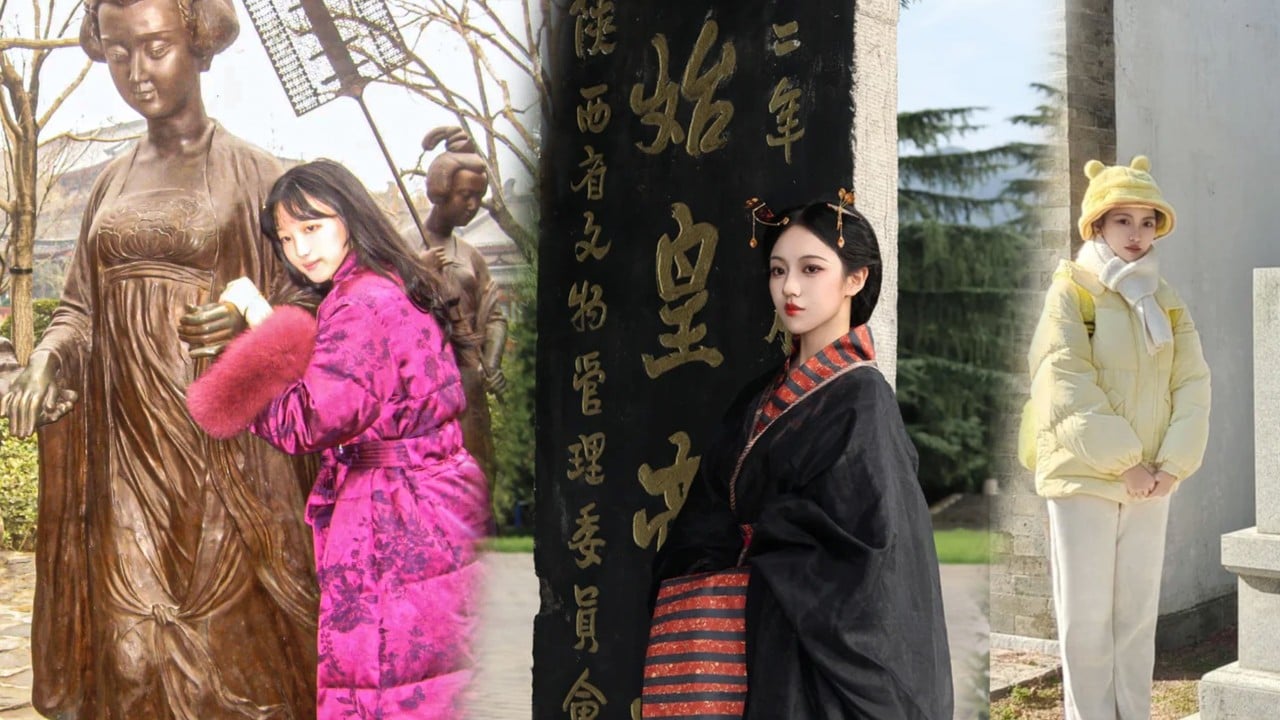
In quiet corners of China, a growing community is forging a deep, almost personal connection with history, sparking a unique cultural phenomenon known as "history fangirls." These enthusiasts are driving a surge in heritage tourism by visiting ancient mausoleums, museums, and historical sites, often making pilgrimages to pay tribute to long-dead idols. Their devotion goes beyond mere curiosity—many write books, create merchandise, and share their experiences online, inspiring others to explore China's rich historical legacy. However, this growing trend has also raised concerns about environmental pollution at these often-remote locations.
The phenomenon gained momentum last April when young people began sharing their travels during the Ching Ming Festival, offering unusual tributes like painkillers for generals or wine and calligraphy brushes for poets. One such devotee, known online as @bufashi, has spent a year visiting 52 gravesites across remote mountains and forests, driven by a desire to connect with the lives of ancient figures that shape China's present.
This trend reflects a broader shift in how younger generations engage with history, blending tradition with modernity. While it promotes cultural preservation, the influx of visitors has also highlighted challenges, such as managing environmental impacts at fragile heritage sites. The rise of "history fangirls" offers a fascinating glimpse into how ancient traditions are being reinterpreted—and sometimes revived—in contemporary China.
For readers interested in global culture and heritage tourism, this phenomenon underscores the power of personal connections to history in reshaping cultural narratives. It also raises important questions about balancing historical preservation with modern practices, making it a timely and relevant story for anyone exploring the intersection of tradition and innovation.
Verticals
worldasia
Originally published on South China Morning Post on 2/20/2026