
China influencer earns US$7 million from wish candles sale before arrest for fraud
South China Morning Post
by Zoey ZhangFebruary 26, 2026
AI-Generated Deep Dive Summary
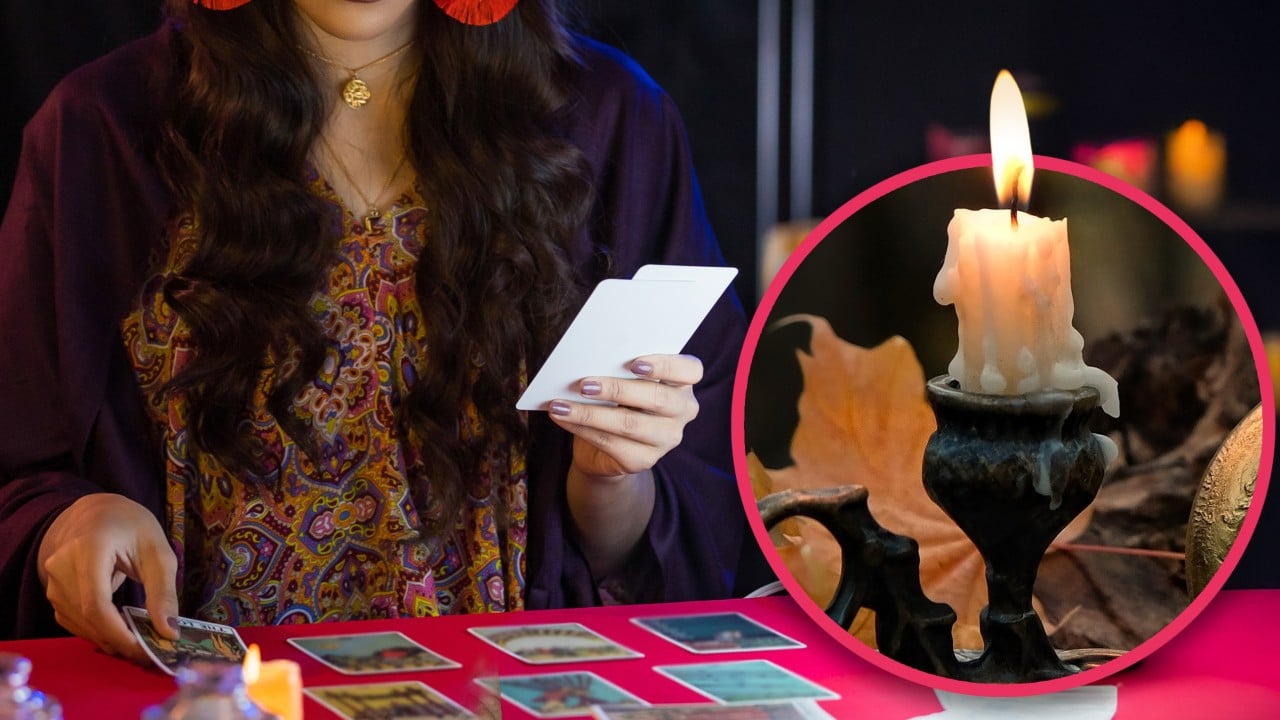
A Chinese influencer, Li Zhuofan, gained significant attention after earning $7 million by selling "wish candles" online. The product was marketed as a tool to help individuals rekindle romantic relationships, leveraging her influence from a popular Russian reality TV show where she claimed to have psychic abilities. However, her success came to an abrupt end when she was arrested for alleged fraud.
Li Zhuofan rose to fame after appearing on *The Battle of Psychics*, a Russian reality series, where she showcased her self-proclaimed psychic powers. During the show, she used a candle to "locate" a hidden person in a car boot and claimed to sense that someone had died in another vehicle. This performance captured the attention of thousands of Chinese viewers, who quickly followed her on social media platforms.
Upon returning to China, Li capitalized on her newfound fame by selling handmade wish candles online. The product was marketed as a mystical tool to help users reignite romance, and she claimed it could bring love back into their lives. Her following grew rapidly, reaching over 600,000 followers, and the demand for these candles skyrocketed. Reports indicate that Li made millions of dollars from the sales before her arrest.
This story highlights the growing issue of trust in social media influencers and the potential dangers of believing in pseudoscience or supernatural claims. It also underscores the importance of verifying claims made by influencers, especially when they involve financial transactions. The case has sparked discussions about the ethical responsibilities of influencers and the need for greater consumer protection in online markets.
From a global perspective, this incident reflects the broader challenges of regulating e-commerce platforms and ensuring that consumers are not exploited by misleading marketing tactics. It also raises questions about the cultural fascination with mystical products and the role of social media in amplifying such trends. As more people turn to influencers for guidance on purchases, cases like Li Zhuofan's serve as a cautionary tale about the power—and potential pitfalls—of digital influence
Verticals
worldasia
Originally published on South China Morning Post on 2/26/2026