
China ‘reminds’ its male citizens in Russia about Moscow’s military service law
South China Morning Post
by Yuanyue DangFebruary 26, 2026
AI-Generated Deep Dive Summary
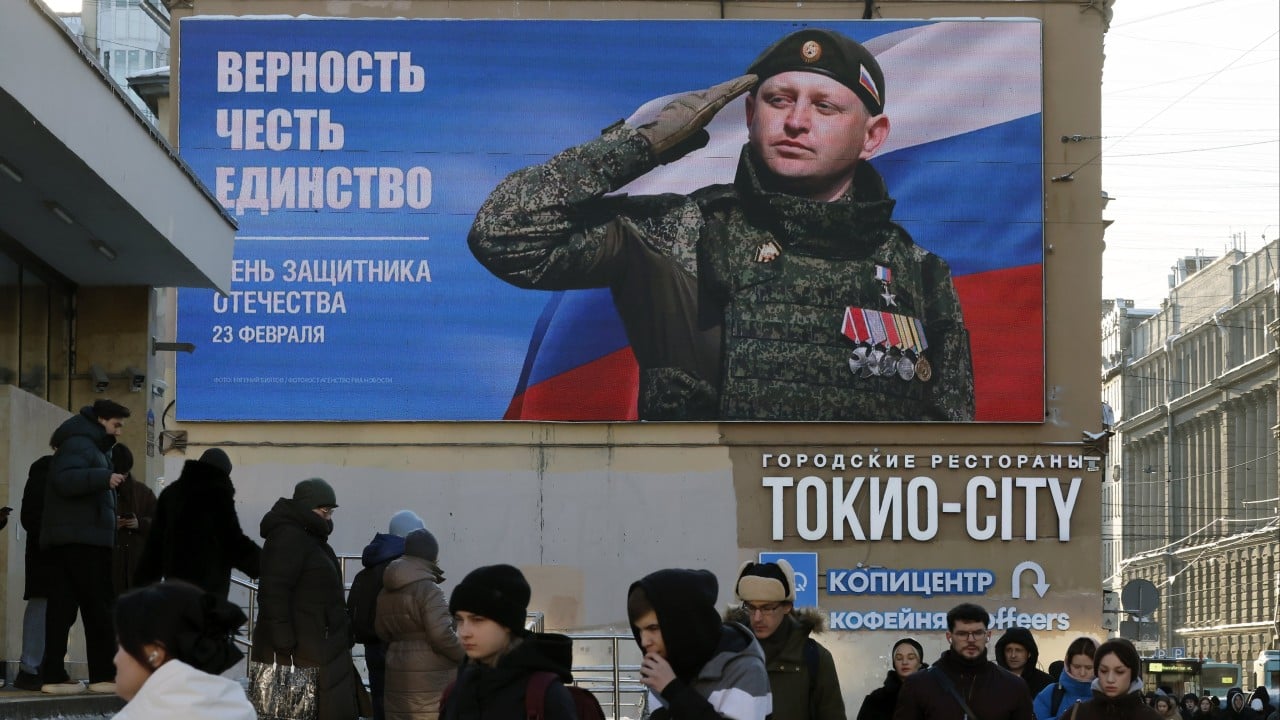
The Chinese consulate in Vladivostok has issued a notice reminding its male citizens in Russia about a new law requiring foreign men aged 18 to 65 applying for long-term residency to serve at least one year in the Russian military. This regulation, which came into effect recently, aims to address Moscow's challenges in maintaining sufficient military manpower. The notice highlights that exemptions are available only under specific circumstances, such as prior military service or medical conditions, and otherwise requires individuals to sign a contract for military service.
The move by Russia reflects broader efforts to strengthen its armed forces amid geopolitical tensions. Post-Soviet economic struggles and budget cuts led to chronic issues with recruitment and retention in the Russian military. These challenges have prompted Moscow to explore alternative ways to bolster its military, including revisiting mandatory conscription laws. The new law is part of a series of measures designed to ensure adequate manpower for national defense.
Under the law, foreign men applying for long-term residency must either provide proof of prior military service or obtain a medical exemption. Those unable to meet these criteria are required to sign a contract committing them to serve in a Russian military unit for at least one year. This contrasts with Russia's previous approach, which often allowed foreign nationals to bypass military service by paying fees or through other means.
This development underscores the growing trend of countries tightening residency requirements and integrating national service into their immigration policies. While this law primarily affects Chinese citizens in Russia, it also raises questions about how other nations might respond to similar measures. The implications extend beyond individual cases, potentially affecting international labor markets and diplomatic relations.
For readers interested in global affairs, this highlights the intersection of military policy, immigration laws, and international relations. As countries face demographic and economic challenges, such policies may become more common. Understanding these dynamics is crucial for grasping how nations adapt to changing security and economic landscapes.
Verticals
worldasia
Originally published on South China Morning Post on 2/26/2026