
China’s Yangtze River fishing ban brings biomass surge, boosts finless porpoise
South China Morning Post
by Zhang TongFebruary 21, 2026
AI-Generated Deep Dive Summary
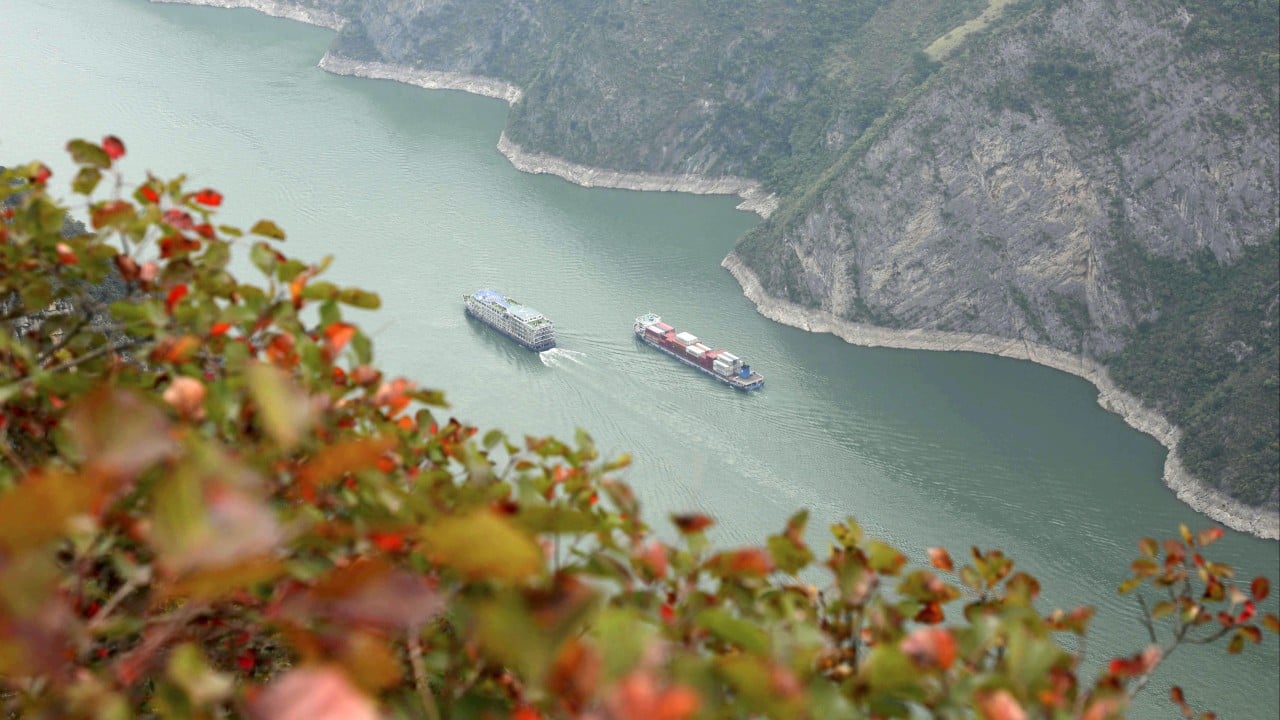
The Yangtze River, one of China’s most vital waterways and among the world’s most biodiverse rivers, is showing signs of recovery halfway through a 10-year fishing ban aimed at restoring its ecosystem. The river has long been central to both economic and social functions in China, contributing over 60% of the country’s freshwater fisheries output at its peak. However, since the 1950s, the river basin faced significant ecological decline due to human activities and industrialization.
The fishing ban, implemented in 2020, has led to a notable increase in biomass in the Yangtze River. This surge in aquatic life is a positive sign for the region’s ecosystems. The finless porpoise, an endangered species native to the river, has also seen improved prospects as its habitat begins to recover.
The findings highlight the importance of such conservation efforts in reversing decades of ecological damage. The recovery of the Yangtze River ecosystem not only benefits local biodiversity but also serves as a global example of how large-scale environmental policies can contribute to ecological restoration. This progress underscores the need for sustainable practices and the protection of critical waterways, which play a vital role in supporting both human populations and wildlife.
For readers interested in global environmental issues, the Yangtze River’s recovery offers valuable insights into the impact of conservation policies on large-scale ecosystems. The success of the fishing ban could serve as a model for similar initiatives worldwide, demonstrating how coordinated efforts can lead to meaningful ecological revitalization.
Verticals
worldasia
Originally published on South China Morning Post on 2/21/2026