
Chinese tourism to Japan plunges 50% over Lunar New Year as Thailand cashes in
South China Morning Post
by Ralph JenningsFebruary 24, 2026
AI-Generated Deep Dive Summary
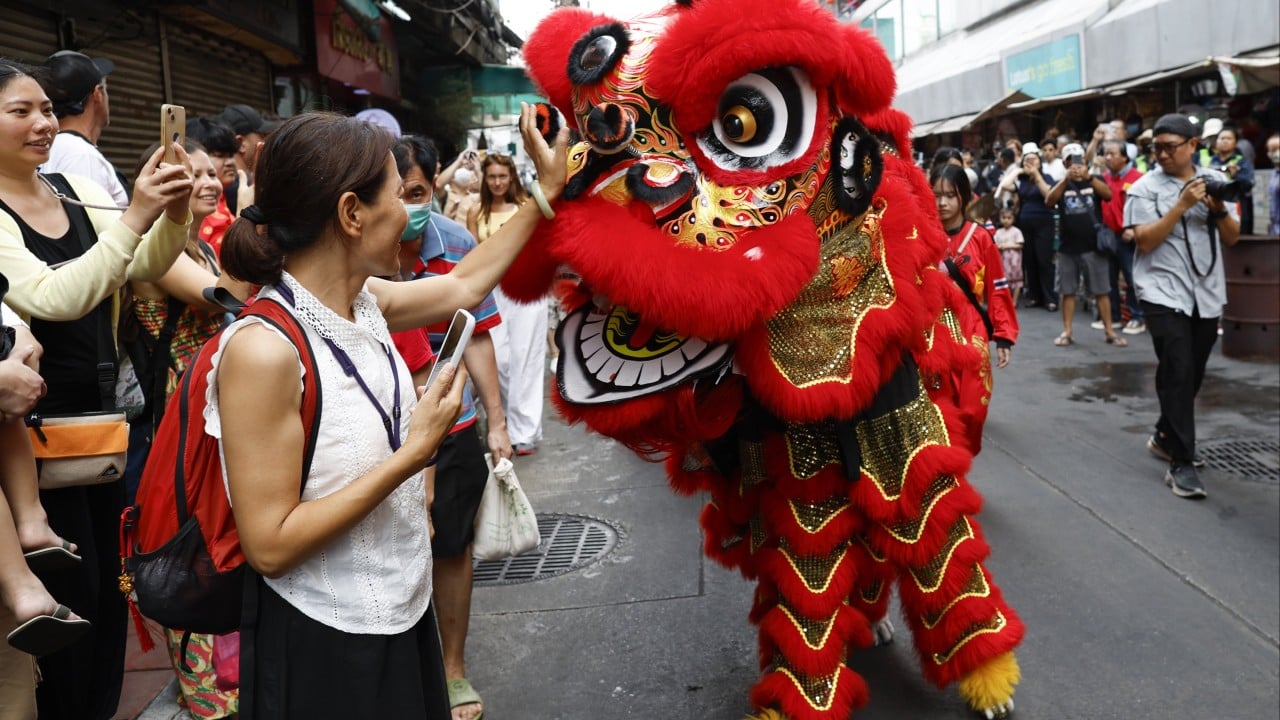
Chinese tourism during the Lunar New Year holiday saw a significant shift, with Thailand emerging as the top destination for Chinese travelers while Japan experienced a sharp decline in arrivals. According to data from China Trading Desk, approximately 250,000 Chinese tourists visited Thailand between February 15 and 23, marking it as one of the most popular destinations during the extended holiday. In contrast, Japan, which had previously been a favorite among Chinese travelers, saw its tourism numbers plummet by about 50% compared to previous years. This dramatic drop was attributed to a political dispute between China and Japan over Taiwan, which has led to strained relations and reduced travel interest.
The Lunar New Year period is typically a major window for global travel, with families and individuals seeking leisure opportunities during the extended break. However, this year’s numbers highlight a clear shift in Chinese travelers’ preferences. Thailand’s rise as a top destination can be attributed to its strategic positioning as a popular and accessible Southeast Asian destination, offering a mix of cultural experiences, beaches, and affordable travel options. Meanwhile, Japan’s fall from grace underscores the impact of geopolitical tensions on international tourism.
This situation matters for several reasons. First, it demonstrates how political disputes can directly affect economic sectors like tourism, with ripple effects felt across industries such as hospitality, transportation, and retail. For Thailand, the surge in Chinese arrivals has provided a much-needed boost to its tourism sector, which had been recovering from the COVID-19 pandemic. For Japan, the decline highlights vulnerabilities in relying too heavily on any single source market without diversifying appeal or addressing potential political sensitivities.
The broader implications of this shift also raise questions about how other countries might adjust their travel strategies in response to geopolitical changes. As global tensions continue
Verticals
worldasia
Originally published on South China Morning Post on 2/24/2026