
CIA Closely Watched Khamenei for Months Before Fatal Strikes
RealClearPolitics
by Liptak, et al., CNNMarch 1, 2026
AI-Generated Deep Dive Summary
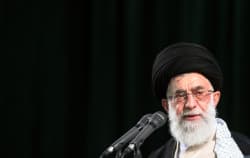
For months, Israeli and American intelligence agencies, including the CIA, had been closely monitoring Iran's Supreme Leader Ayatollah Ali Khamenei in search of the perfect opportunity to strike. This prolonged surveillance operation highlights the deepening tensions between Western powers and Iran, as well as the strategic efforts to target key figures within the Iranian leadership. The focus on Khamenei underscores his pivotal role in shaping Iran's policies and the potential impact of his removal on the country's political landscape.
The decision to closely watch Khamenei was part of a broader strategy aimed at destabilizing the Iranian regime. Intelligence agencies were likely seeking to exploit any vulnerabilities or moments of internal weakness, possibly in coordination with other efforts to influence Iran's political dynamics. This level of attention suggests a high-stakes game involving delicate diplomacy and covert operations.
The targeting of Khamenei reflects the ongoing struggle between Western nations and Iran over issues such as nuclear proliferation, regional influence, and global security. By focusing on the Supreme Leader, who wields significant authority in Iran, these agencies may have been aiming to disrupt or weaken his position, potentially leading to broader regime instability. This approach underscores the lengths to which各方 are willing to go in their efforts to shape the political landscape of the region.
Understanding this development is crucial for readers interested in global politics and international relations. It sheds light on the complex interplay between intelligence agencies, geopolitical strategy, and the delicate balance of power in the Middle East. This operation also highlights the risks and challenges associated with targeting high-ranking officials in authoritarian regimes, as well as the potential consequences for regional stability and US-Iran relations.
This story underscores the evolving nature of modern warfare and diplomacy, where intelligence operations play a pivotal role in shaping political outcomes. For those following global affairs, it serves as a reminder of the intricate strategies being employed by world powers to achieve their objectives, even in the shadows of international conflict.
Verticals
politicsnews
Originally published on RealClearPolitics on 3/1/2026