
Clocking off: is Japan’s culture of overwork finally dying?
South China Morning Post
by Julian RyallFebruary 23, 2026
AI-Generated Deep Dive Summary
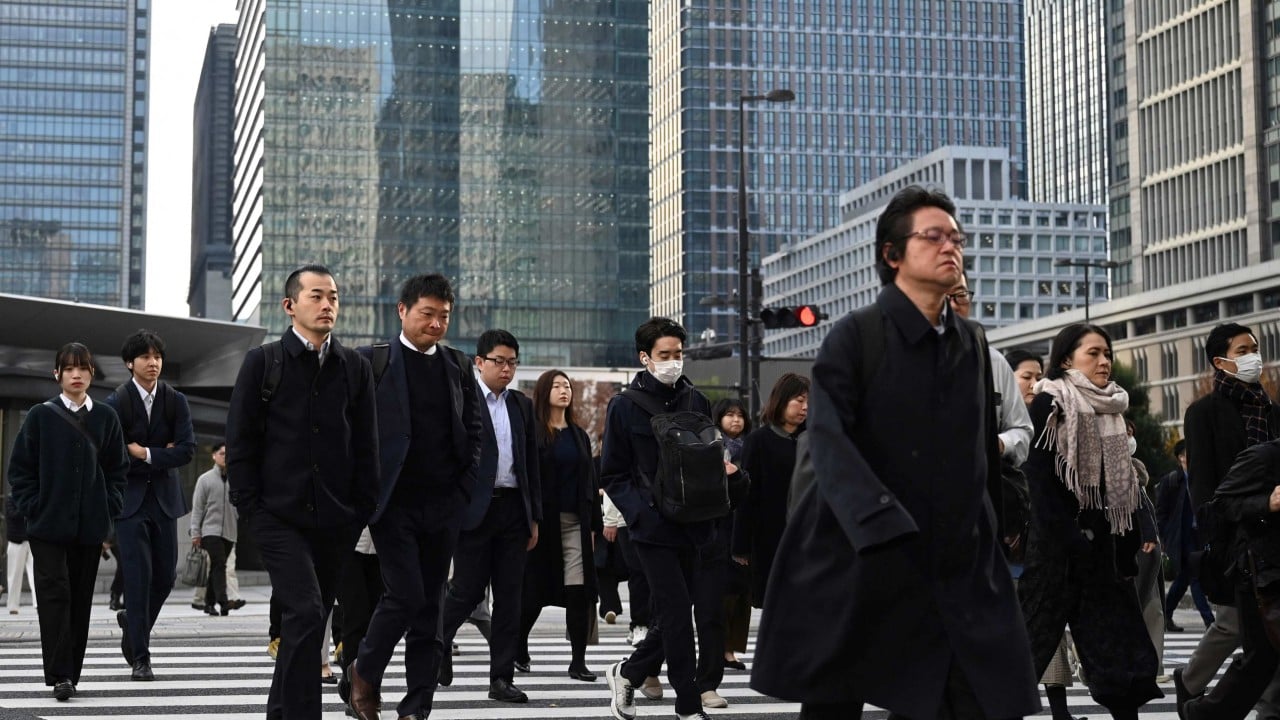
Japan’s long-standing reputation as a nation where employees endure grueling hours may be slowly shifting, according to recent data. The average working hours for Japanese workers in 2024 dropped to 1,654.2 hours, marking a decline of 17.7 hours from the previous year and the second straight year of decrease. This figure is significantly lower than the 1980 peak of 2,121 hours during Japan’s economic boom. Comparatively, other nations like South Korea (1,865 hours), America (1,796 hours), and Italy (1,709 hours) still log more hours, while countries such as Germany (1,331 hours) and Denmark (1,379 hours) remain far ahead in terms of reduced workloads. These statistics suggest that Japan’s government efforts to combat karoshi—death by overwork—may be yielding results.
The decline reflects broader societal shifts and policy changes aimed at addressing the health consequences of long working hours. In recent years, Japanese companies have increasingly adopted measures such as stricter overtime regulations, better work-life balance policies, and a push for more efficient productivity rather than just longer hours. This shift is part of a larger trend toward valuing employee well-being over traditional notions of diligence and dedication to the workplace.
This change in Japan’s work culture has broader implications for global understanding of work-life balance and economic success. While some argue that Japan still lags behind European countries in achieving true work-life harmony, the ongoing reduction in working hours signals a meaningful step toward a healthier, more sustainable approach to employment. For readers interested in global trends, this shift highlights how cultural norms around work can evolve—and why rethinking traditional ideas about productivity and overwork matters for both individuals and economies.
Ultimately, Japan’s changing work culture offers lessons for other nations grappling with similar challenges. By prioritizing employee well-being and embracing more efficient work practices, Japan is setting an example for
Verticals
worldasia
Originally published on South China Morning Post on 2/23/2026