
Consumer forums can’t be sinecures for retired judges: SC
Times of India
by DHANANJAY MAHAPATRAFebruary 14, 2026
AI-Generated Deep Dive Summary
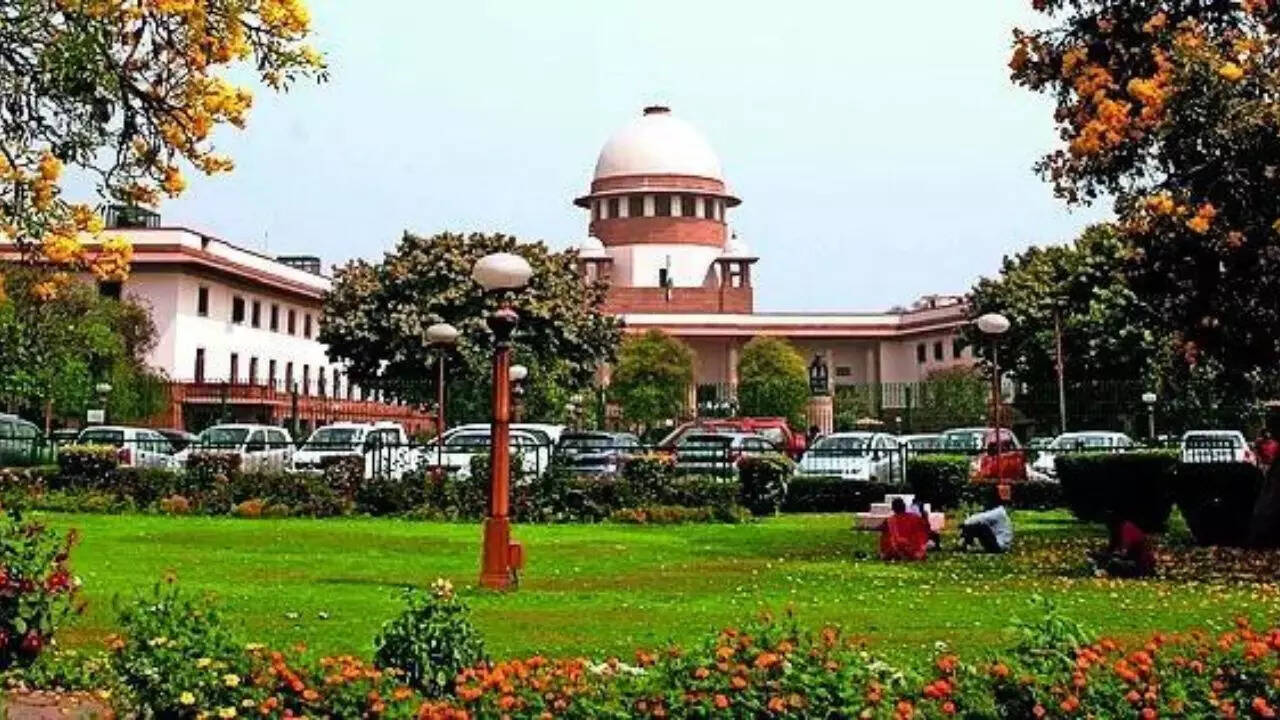
The Supreme Court of India has raised concerns over district and state consumer forums increasingly becoming sinecures for retired judges, with many states reporting low pendency of consumer cases. The apex court acknowledged that its previous sweeping orders to activate these forums failed to consider the ground realities, particularly in northeastern states and Union Territories where setting up fully staffed forums is seen as a drain on resources. Retired judges are often appointed as presidents of these forums, but many states face challenges in attracting candidates for these roles due to minimal workload.
Arunachal Pradesh highlighted that it has only 59 pending consumer cases across district and state forums, with other northeastern states like Sikkim (64 cases), Mizoram (82 cases), Manipur (123 cases), Lakshadweep (10 cases), Andaman and Nicobar Islands (37 cases), and Goa (39 cases) reporting similarly low numbers. The bench agreed that creating separate forums in states with minimal pendency is unnecessary, leading to underutilized roles for retired judges.
To address this issue, the Supreme Court decided to transfer pending consumer cases from these states to High Courts, where specialized judges can handle them. The Chief Justice of each High Court will designate a judge to act as the president of the relevant consumer forum and hear cases alongside state forum members. This move aims to streamline the process while ensuring that aggrieved parties can still appeal to the National Consumer Disputes Redressal Commission.
The bench also emphasized that presidents of district consumer forums should not be equated with district judges in terms of workload or responsibilities, as the latter are overburdened with cases, while consumer forums often have minimal work. States with less than 1,000 pending consumer cases were encouraged to propose alternative mechanisms for addressing grievances, potentially through part-time members.
This decision underscores the need for transparency and efficiency within India's judicial system, particularly in specialized forums like consumer courts. By reassigning cases to High Courts, the Supreme Court seeks to ensure that resources are utilized effectively and that justice is delivered without unnecessary bureaucratic layers. This approach not only addresses the financial strain on states but also ensures that retired judges are engaged in meaningful work rather than ceremonial roles.
Verticals
worldasia
Originally published on Times of India on 2/14/2026