
Consumers to buy and sell electricity! DERC greenlights peer-to-peer power trading pilot
Times of India
by TOI BUSINESS DESKFebruary 14, 2026
AI-Generated Deep Dive Summary
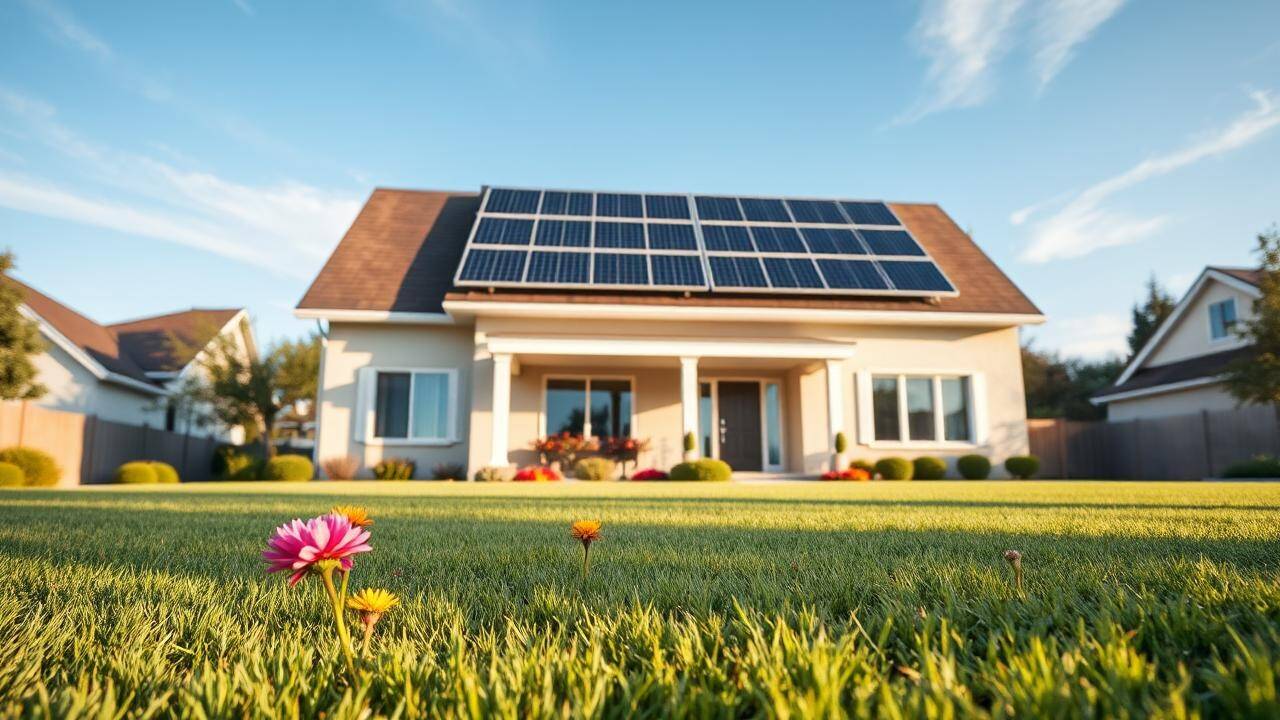
The Delhi Electricity Regulatory Commission (DERC) has approved a groundbreaking pilot program allowing consumers in India to trade electricity directly with one another. This initiative, led by Tata Power Delhi Distribution Ltd and BSES Rajdhani Power Ltd, aims to transform electricity users into active market participants. By enabling peer-to-peer (P2P) energy trading, prosumers—individuals or businesses generating their own electricity through renewable sources like rooftop solar—can sell surplus power to others, bypassing traditional distribution companies.
The pilot will initially launch in north and south Delhi, with approximately 1,000 participants in each area. This group includes farmers, small business owners, and domestic users who have smart meters and net meters connected to solar panels. The program allows these prosumers to sell their excess energy directly to consumers through a secure digital platform. Transactions will be facilitated via a mobile app, leveraging blockchain technology to ensure transparency and scalability.
Participants must undergo verification by their respective distribution companies to receive a 'Verified Credential,' confirming their eligibility. This credential acts as a digital identity, ensuring the integrity of transactions while maintaining system security. Unlike traditional systems where surplus energy is sold back to discoms at fixed rates, P2P trading allows both buyers and sellers to negotiate prices directly, potentially offering lower costs for consumers.
This initiative marks a significant shift toward consumer-centric energy management in India. By decentralizing power distribution, the pilot aims to empower prosumers to monetize their renewable energy production while providing an alternative, cost-effective option for electricity purchase. The program also eliminates certain fees and charges during its trial phase, making it more attractive to participants.
Globally, this development aligns with growing trends toward decentralized energy systems and digital marketplaces. As India explores innovative solutions to enhance energy efficiency and sustainability, the success of this pilot could pave the way for broader adoption across the country. This shift not only supports renewable energy integration but also encourages consumer engagement in shaping a more dynamic and competitive energy landscape.
The program’s expansion plans include integrating additional regions served by three utilities, potentially reaching over 1.25 crore consumers. If successful
Verticals
worldasia
Originally published on Times of India on 2/14/2026