
Dangerous Playbook Revived for U.S. Housing Agencies
RealClearPolitics
by Sheila Bair, Financial TimesMarch 1, 2026
AI-Generated Deep Dive Summary
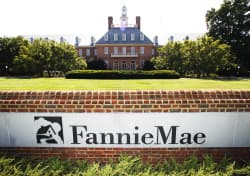
The U.S. housing market is witnessing a concerning shift as Freddie Mac and Fannie Mae resume their aggressive buying of mortgage securities, reviving a business model that has historically posed significant risks. These government-backed entities, which play a critical role in stabilizing the housing finance system, have recently increased their purchases of risky mortgage-backed assets. This move signals a potential return to the high-risk strategies that contributed to the 2008 financial crisis, raising alarms among experts and policymakers.
Freddie Mac and Fannie Mae were central to the housing boom and bust of the late 2000s due to their role in packaging and selling mortgage-backed securities. By buying these securities again in larger volumes, they are effectively taking on more risk by holding or guaranteeing loans that may not meet strict credit standards. This strategy, while intended to support homeownership and keep interest rates low, mirrors the same risky behavior that led to massive losses during the financial crisis.
Critics argue that this revival of a high-risk playbook could destabilize the housing market once again. With historically low interest rates and rising home prices creating a volatile environment, any misstep by Freddie Mac and Fannie Mae could have far-reaching consequences for borrowers, investors, and the economy at large. The move also raises questions about whether the government is adequately overseeing these entities to prevent another financial meltdown.
This development matters deeply to readers interested in politics because it highlights ongoing debates about financial regulation and oversight. Advocates for stronger safeguards warn that without proper controls, Freddie Mac and Fannie Mae’s renewed focus on risky securities could expose taxpayers to significant liability. Meanwhile, supporters argue that this strategy is necessary to maintain liquidity in the housing market and ensure affordable homeownership remains accessible.
In a political climate where housing affordability and financial stability are hot-button issues
Verticals
politicsnews
Originally published on RealClearPolitics on 3/1/2026