
Deadly scorpions are picky about their soil
Popular Science
by Andrew PaulFebruary 15, 2026
AI-Generated Deep Dive Summary
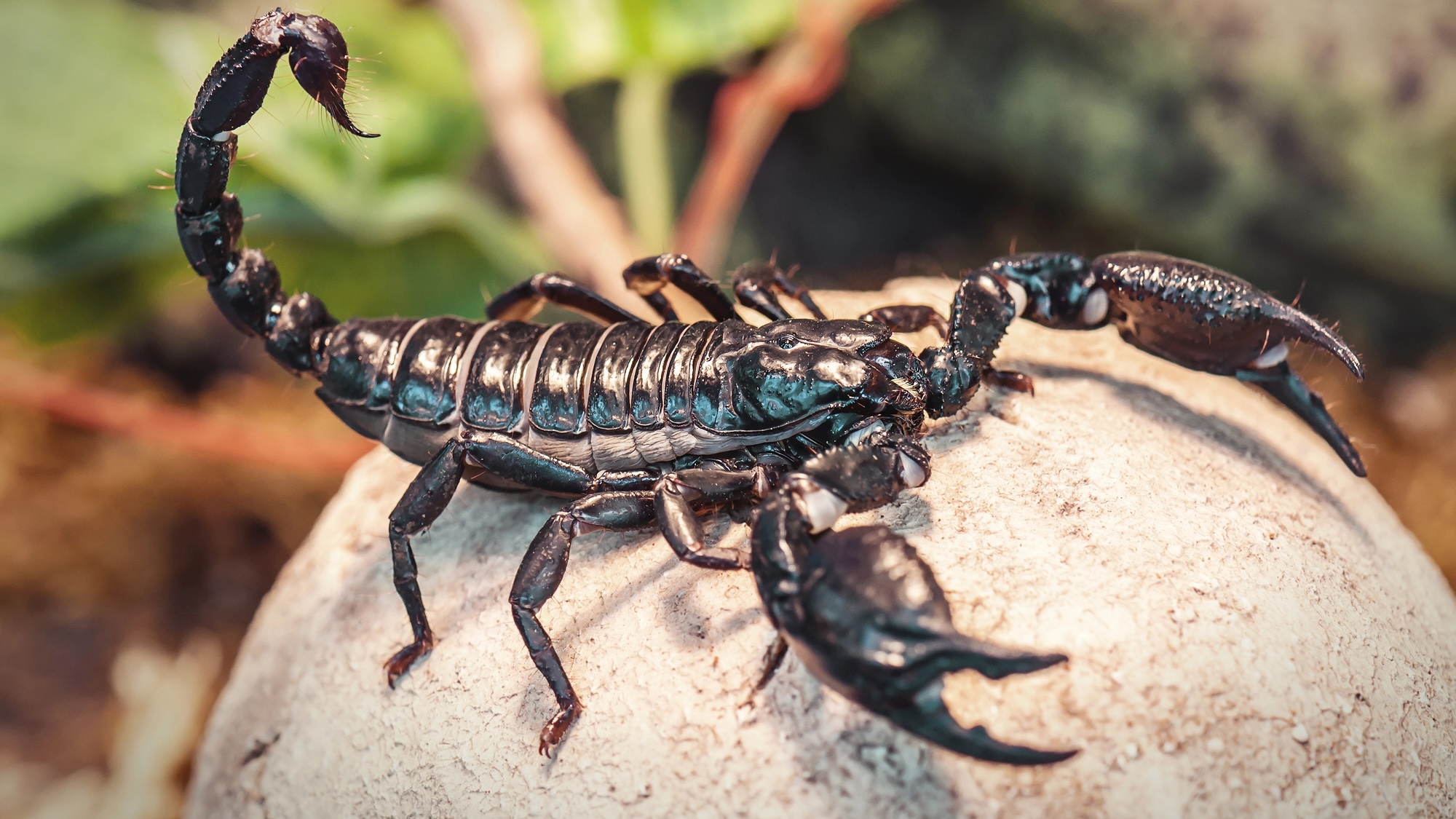
Deadly scorpions are highly selective about the type of soil they inhabit, a groundbreaking discovery that could revolutionize efforts to map their distribution and save lives. Scorpion stings affect millions globally, with fatal outcomes particularly common among children. A recent study led by Michel Dugon from the University of Galway’s Venom Systems Lab reveals that soil composition is a critical factor in determining where these venomous arachnids thrive. By combining field observations with advanced computer modeling, researchers identified soil type as the primary indicator for scorpion habitats, even overshadowing seasonal temperature variations.
The study focuses on Morocco due to its high incidence of scorpion-related fatalities, but the methodology can be adapted to other regions like Brazil, the Middle East, and India. This approach allows health authorities to pinpoint areas at higher risk, enabling targeted prevention measures such as public awareness campaigns, medical training for frontline staff, and community-based protective strategies. Dugon emphasizes that understanding scorpion ecology is crucial for reducing the global burden of these stings, which currently claims over 3,000 lives annually.
The research highlights a significant gap in our knowledge about scorpion diversity and their environmental preferences. With only around 100 of the world’s 2,000 scorpion species being lethal, accurately mapping their habitats is essential for developing effective antivenom treatments and improving outcomes for victims. By focusing on soil type, scientists can create more precise maps, helping to allocate resources efficiently and ultimately save lives. This innovative approach underscores the importance of ecological research in addressing global health challenges.
The findings not only advance our understanding of scorpion behavior but also demonstrate how environmental science can directly impact public health. As researchers continue to explore the complex relationship between soil conditions and scorpion distribution, the potential to reduce fatal incidents grows significantly. This interdisciplinary effort bridges ecology and medicine, offering hope for communities vulnerable to these dangerous creatures.
Verticals
sciencetech
Originally published on Popular Science on 2/15/2026