
Defence, trade and Hexagon alliance: What to expect during PM Modi's high-stakes Israel visit
Times of India
by TOI NEWS DESKFebruary 24, 2026
AI-Generated Deep Dive Summary
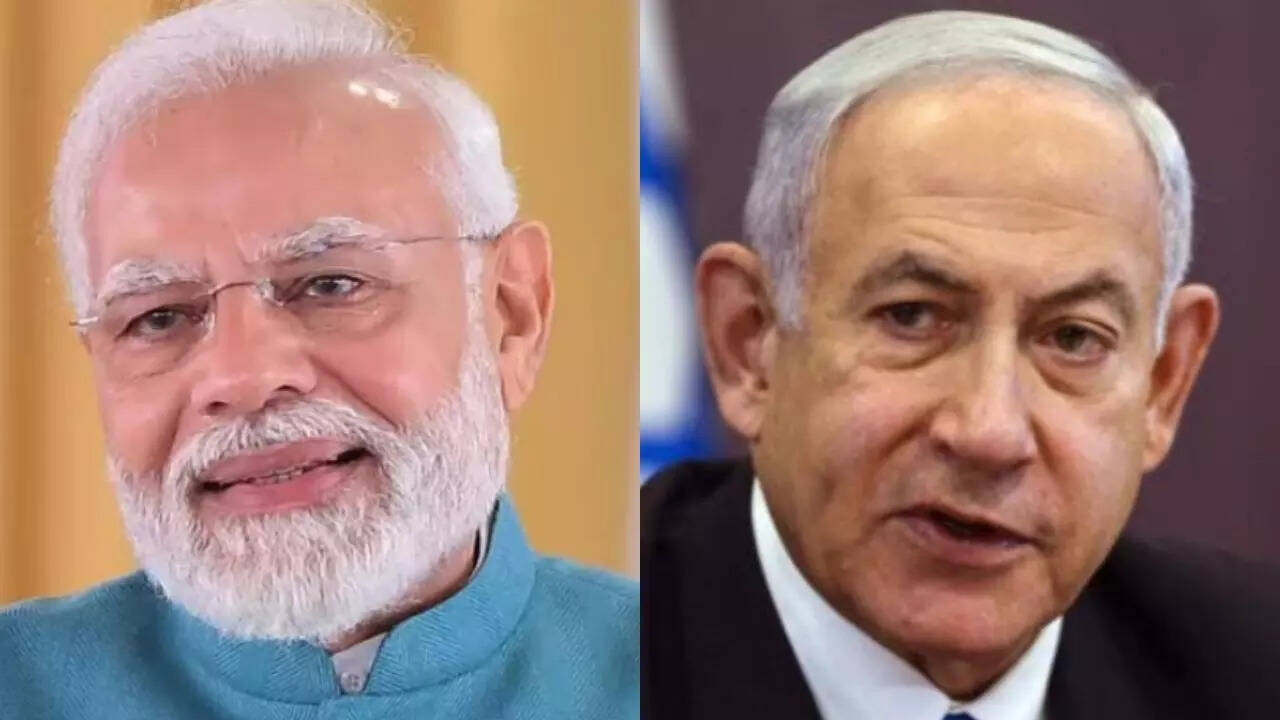
Prime Minister Narendra Modi is set to embark on a high-stakes visit to Israel, marking his second trip to the nation and solidifying India's strategic ties with the Jewish state. This visit comes after Modi became the first Indian prime minister to travel to Israel in 2017, a move that elevated bilateral relations to a strategic partnership. During this latest two-day visit, Modi will engage in delegation-level talks with Israeli Prime Minister Benjamin Netanyahu, meet President Isaac Herzog, and address the Knesset. The itinerary also includes a private dinner hosted by Netanyahu and a joint visit to Yad Vashem, the World Holocaust Remembrance Center.
Defence and security cooperation is expected to be a focal point of the discussions, as India continues to rely on Israel for military platforms and weapon systems. Both nations are likely to review existing defence collaboration and explore new avenues, including potential enhancements to India's indigenous air defence shield, Sudarshan Chakra, which may incorporate elements from Israel’s Iron Dome system. Economic engagement will also be a key topic, with both leaders reviewing progress on free trade agreement negotiations and bilateral investment initiatives aimed at expanding economic cooperation in areas such as technology, innovation, agriculture, water management, and people-to-people exchanges.
The visit is not just about bilateral ties but also has broader geopolitical implications. Netanyahu has described the trip as "historic" and outlined a diplomatic plan to build a "hexagon" of alliances involving India, Arab nations, African countries, and Mediterranean states. This initiative aims to strengthen coordination among like-minded nations and counter radical groups in the region. As tensions persist in West Asia, including the situation in Gaza, Modi's visit could play a crucial role in fostering regional stability and alignment.
Modi’s engagement with Netanyahu underscores India’s growing influence in the Middle East and its commitment to multilateralism. The "hexagon" alliance concept highlights Israel’s strategic vision for regional cooperation, positioning India as a key player in this diplomatic initiative. For Modi, this visit is an opportunity to deepen India's partnerships with Israel and other nations in the region, aligning economic and security interests while addressing global challenges.
This visit matters because it not only strengthens India-Israel relations but also positions India as a mediator in regional conflicts. The strategic partnership between India and Israel could influence global dynamics, particularly in West Asia, where instability often impacts international security and trade. By fostering alliances through initiatives like the "hexagon," Modi is showcasing India’s role as a bridge builder in an
Verticals
worldasia
Originally published on Times of India on 2/24/2026