
‘Design deficiencies’: Nasa’s harsh 'mission failure' verdict on Sunita Williams’ Starliner mission
Times of India
by TOI SCIENCE DESKFebruary 20, 2026
AI-Generated Deep Dive Summary
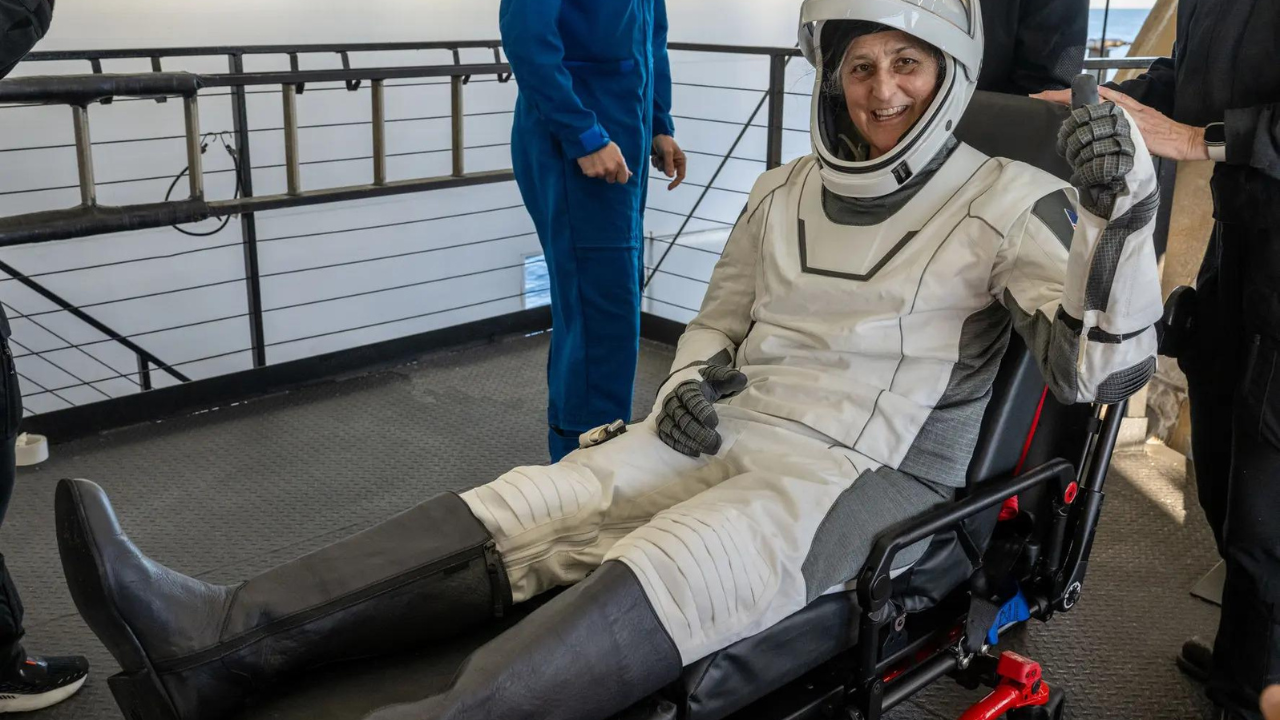
NASA has officially classified Boeing’s Starliner mission as a "Type A mishap," its highest level of mission failure, following the spacecraft's troubled journey to the International Space Station (ISS) in 2024. The mission, which stranded astronauts Sunita Williams and Butch Wilmore for nearly nine months—far exceeding the planned duration of eight to 14 days—was plagued by technical flaws and leadership shortcomings. NASA Administrator Jared Isaacman described the incident as a significant risk to crew safety, emphasizing that Boeing's design and engineering deficiencies must be addressed before future missions are attempted.
The mission gained global attention after propulsion system failures left the astronauts stranded for months, ultimately requiring a SpaceX Dragon spacecraft to rescue them in March 2025. NASA’s investigation revealed critical issues with Starliner’s docking capabilities and thruster malfunctions during approach to the ISS. Isaacman highlighted that while the thrusters were eventually restored, allowing successful docking, the situation could have escalated to a catastrophic outcome if different decisions had been made or if docking had failed.
NASA’s statement underscored the importance of accountability, stating that leadership at both Boeing and NASA must take responsibility for the mission’s failure. Isaacman stressed that the issues extended beyond hardware problems, pointing to "decision-making and leadership" as the most concerning failures. He warned that unresolved mismanagement could lead to
Verticals
worldasia
Originally published on Times of India on 2/20/2026