
Do you suffer from IBS? This doctor says 'gravity intolerance' may be to blame
Space.com
by Jessica Rendall February 19, 2026
AI-Generated Deep Dive Summary
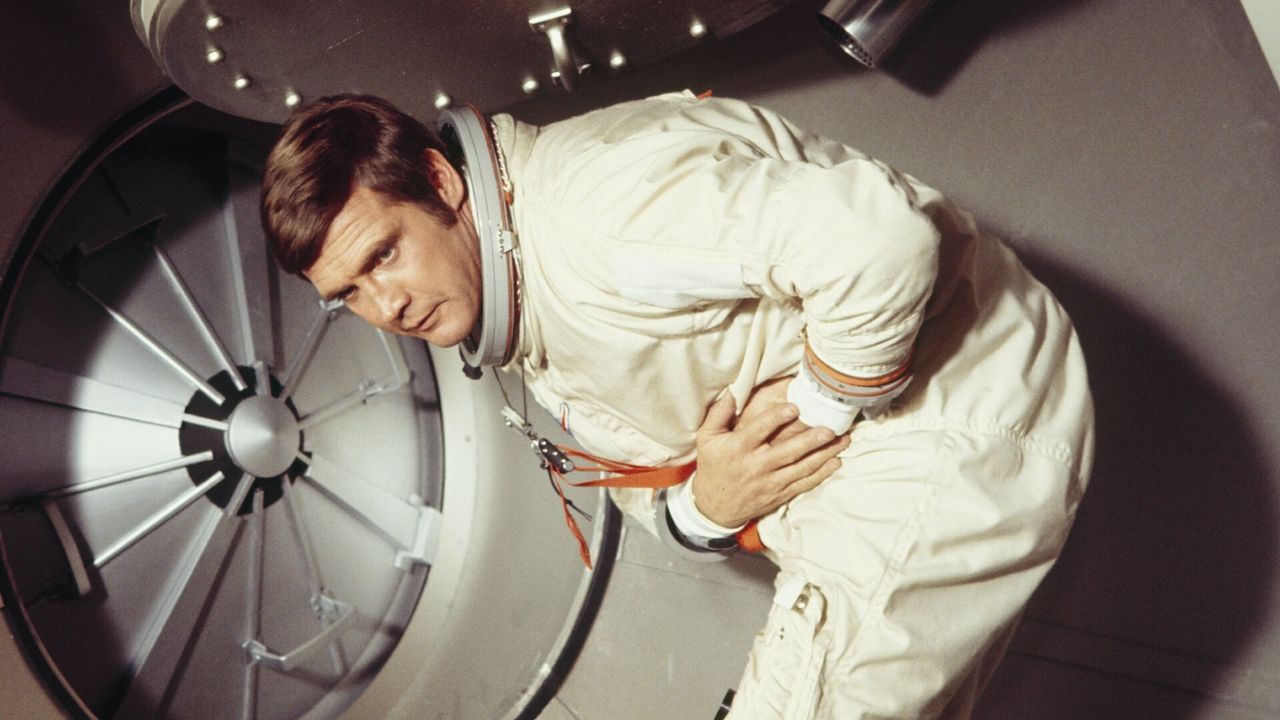
Dr. Brennan Spiegel, a gastroenterologist and researcher at Cedars-Sinai and UCLA, has proposed an intriguing theory linking irritable bowel syndrome (IBS) to "gravity intolerance." In his book *Pull: How Gravity Shapes Your Body, Steadies the Mind, and Guides Our Health*, Spiegel suggests that our susceptibility to IBS may stem from how well our bodies manage gravitational forces. He introduces a "G-force cube" concept, which includes three key factors: resistance (how intestines withstand gravity), detection (the body's perception of gravitational strain), and vigilance (its ability to monitor for gravity-related issues). While this theory doesn’t replace established risk factors like diet, inflammation, or bacterial overgrowth, it offers a new perspective on how gravity might influence IBS development.
Spiegel draws inspiration from the effects of microgravity in space. Astronauts often experience digestive problems, such as heartburn and constipation, due to the absence of Earth’s gravitational pull. This connection highlights how our bodies are finely tuned to function within gravity’s parameters. For example, the structure of our intestines and the strength of our abdominal muscles play a role in maintaining balance against gravity, which may explain why exercises like yoga or running can alleviate IBS symptoms by strengthening core muscles.
The idea that gravity affects our digestion isn’t entirely new, but Spiegel’s model provides a unique framework. He argues that our bodies have an innate "gravity sensor" in the gut, akin to an accelerometer, that alerts us to potential danger. This system may also explain why we feel the "butterflies in the stomach" during anxiety or excitement—our gut reacts to perceived threats by processing gravitational forces.
For readers interested in space science, this theory bridges terrestrial health with the challenges of microgravity environments. Understanding how gravity impacts human digestion could lead to better treatments for astronauts and insights into Earth-bound conditions like IBS. Spiegel’s work reminds us that even something as
Verticals
spacescience
Originally published on Space.com on 2/19/2026