
Doctor working to bring home ISIS brides carrying extra passport for ‘lost’ boy jailed in Iraq
Sydney Morning Herald
by Michael BachelardFebruary 24, 2026
AI-Generated Deep Dive Summary
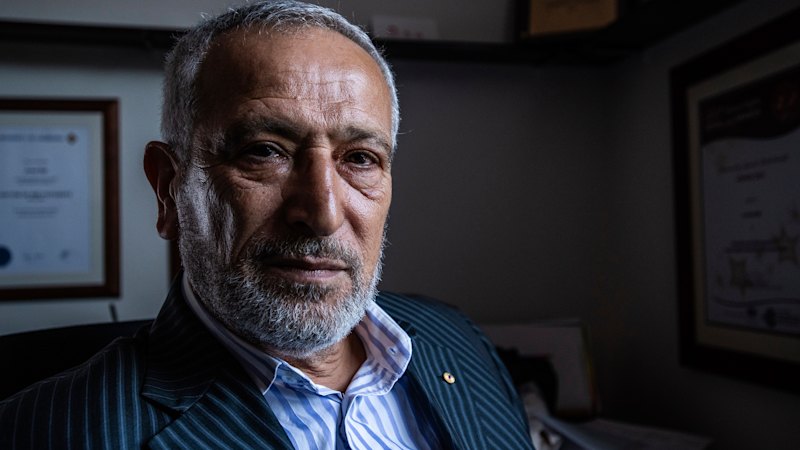
Dr. Jamal Rifi, a Sydney-based doctor working to repatriate 34 Australian women and children associated with Islamic State (ISIS), revealed that he carried an extra passport for a 23-year-old prisoner named Yusuf Zahab, who was taken from his mother as a child. Despite efforts to bring the group back to Australia, Rifi’s mission has faced significant challenges, particularly due to the political climate in Syria and Iraq. He highlighted that the Australian government’s lack of support and the Prime Minister’s harsh rhetoric have hindered progress, causing the Syrian regime to refuse cooperation.
Rifi explained that the women and children, including Yusuf’s mother Aminah Zahab, have been stranded in al-Roj camp for seven years under dire conditions. He emphasized the need for these children to be reintegrated into society rather than suffering for their parents’ actions. The doctor criticized the Australian government for not providing any official backing beyond issuing passports, which he believes could have facilitated their return. The Syrian regime’s concerns about the women and children being refused entry into Australia due to negative statements from political leaders added another layer of complexity.
The situation is further complicated by the transfer of over 5,000 ISIS-related prisoners, including 13 Australians, to Iraq by U.S. military forces. Rifi confirmed that Yusuf was among those moved to Iraqi prisons but his exact location remains unclear. The doctor expressed frustration over the obstacles faced, stating he would repeat his efforts a thousand times if needed. He stressed the importance of ensuring these individuals are not left in limbo and that their return is handled humanely.
This story sheds light on the humanitarian challenges of repatriating ISIS-associated individuals and the impact of political decisions on vulnerable populations. It raises questions about responsibility, reintegration, and the ethical treatment of children affected by conflict. The case also underscores the complexities of international cooperation in addressing such crises.
Verticals
worldaustralia
Originally published on Sydney Morning Herald on 2/24/2026