
‘Doesn’t the commission’s case have to fail?’ ACCC faces critical questions in Coles case
Sydney Morning Herald
by Elias VisontayFebruary 25, 2026
AI-Generated Deep Dive Summary
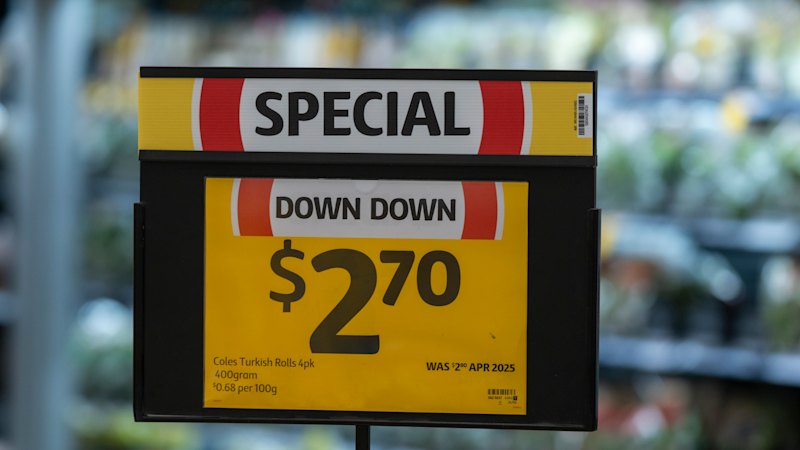
The Australian Competition and Consumer Commission (ACCC) faced sharp questioning in court over its case against Coles regarding misleading "Down Down" promotions. Federal Court Justice Michael O’Bryan grilled ACCC’s lead barrister, Garry Rich, SC, about whether the watchdog had failed to prove its central claim that Coles misled customers by raising prices on everyday items before offering them as discounted deals. The judge emphasized that the ACCC had not formally argued or proven that the pricing tickets conveyed misleading representations, casting doubt on the case's validity.
The "Down Down" promotions were at the heart of the dispute. Rich argued that these promotions implied a significant discount from a previous higher price, which customers interpreted as a good deal. However, he admitted that many consumers might not realize the "was" price was not the regular price but a short-lived one artificially inflated by Coles before being marked down. O’Bryan interrupted, pointing out that these arguments about consumer perceptions were not part of the formal case and questioned whether this left the ACCC’s claims vulnerable.
Coles defended itself by arguing that any price increases were due to supplier pressures, inflation, and market forces, not deliberate manipulation. The company also highlighted internal documents showing that discounts were pre-planned and systematically applied across stores, which raised concerns about their authenticity. However, Coles’ barrister faced scrutiny over admissions of errors in the defense and witness statements, suggesting potential weaknesses in the company’s legal position.
The case hinges on two key questions: what representations did the pricing tickets communicate to customers, and were those representations misleading? Rich argued that even though many consumers are “well-educated and commercially astute,” most view shopping as a chore and rely on promotions to save time. He claimed that the "Down Down" labels created an illusion of genuine discounts, which he maintained was deceptive.
The outcome of this case could set a precedent for how courts interpret promotional pricing practices and their impact on consumer trust. It also highlights broader concerns about transparency in retail pricing and the integrity of market regulation. For now, the ACCC’s case remains under intense scrutiny as it seeks to prove that Coles’ discounts were misleading, while Coles maintains its promotions were legitimate and based on genuine cost fluctuations.
Ultimately, this legal battle over "Down Down" pricing reflects deeper issues about consumer rights, business practices
Verticals
worldaustralia
Originally published on Sydney Morning Herald on 2/25/2026