
Dog walkers find 2,000-year-old footprints on beach in Scotland
Popular Science
by Andrew PaulFebruary 19, 2026
AI-Generated Deep Dive Summary
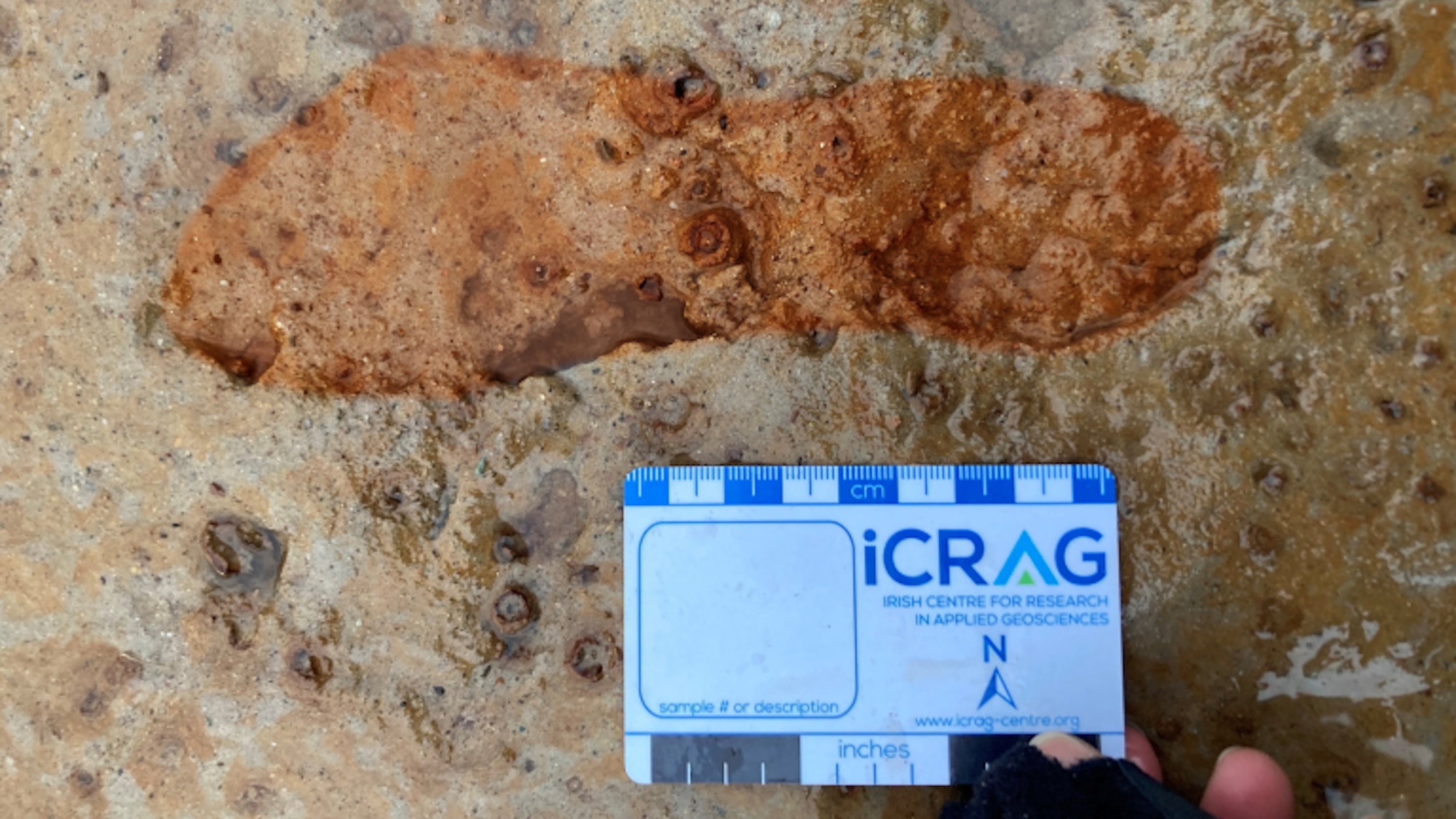
Dog walkers in Scotland made an extraordinary discovery while walking their dogs along the eastern coast: they stumbled upon 2,000-year-old footprints preserved in layers of dried clay. The prints, which include both human and animal tracks, were revealed after strong winds from recent storms eroded the sand dunes at a beach near Angus. Archaeologists from the University of Aberdeen quickly arrived to document and preserve the rare find before nature could destroy it further. Using Plaster of Paris and digital mapping techniques, researchers captured detailed records of the site within just 48 hours before the prints were lost forever.
The footprints date back to the late Iron Age, a period marked by significant cultural and historical changes in Scotland. The discovery provides valuable insights into life during this time, including evidence of both human activity and animal presence—likely deer and other domesticated animals. This find is particularly exciting because such well-preserved prints are extremely rare, with only a few similar sites identified across the UK. The Montrose basin area, where the footprints were found, now stands out as a potential hotspot for future archaeological discoveries.
Archaeologist Kate Britton described the challenging conditions her team faced during the excavation, including high winds, heavy tides, and sandstorms that threatened to destroy the site. Despite these obstacles, their rapid response allowed them to create plaster molds and digital documentation of the prints. Gordon Noble, another archaeologist on the team, noted the significance of the find: it offers a snapshot of daily life during a pivotal era in Scotland’s history, around the time of Roman invasions and the rise of the Picts.
The discovery underscores the importance of preserving fragile archaeological sites before natural forces erase them. William Mills, a project collaborator, highlighted how such finds provide unique glimpses into the past
Verticals
sciencetech
Originally published on Popular Science on 2/19/2026