
Donald Trump announces 10% global tariffs after SC deems his reciprocal tariffs illegal
Times of India
by TOI BUSINESS DESKFebruary 20, 2026
AI-Generated Deep Dive Summary
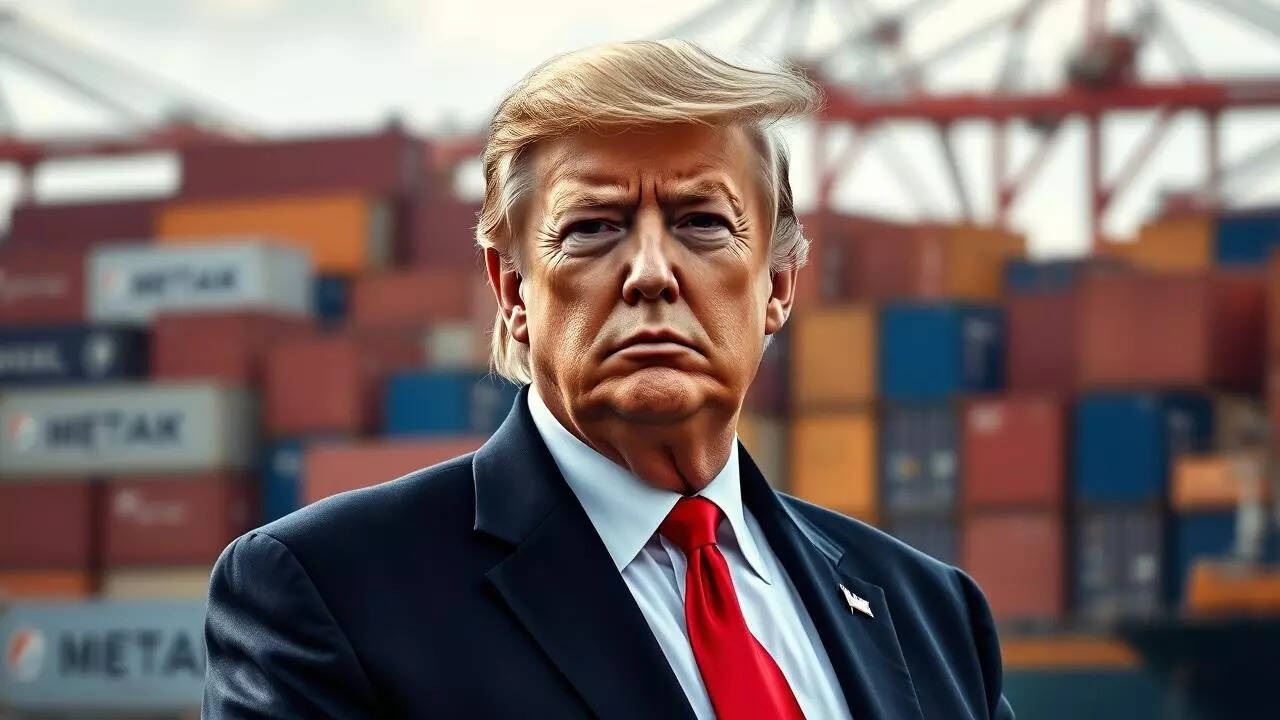
Donald Trump has announced the imposition of a new 10% global tariff following the U.S. Supreme Court’s ruling that his reciprocal tariffs were illegal. The decision marked a significant setback for one of Trump’s key economic strategies. During a press conference, Trump expressed frustration, calling the court’s decision “deeply disappointing” and accusing justices of failing to act in the nation’s best interests. He emphasized plans to pursue alternative measures to restore the trade duties, suggesting these could potentially generate higher revenues.
The Supreme Court’s 6-3 ruling invalidated Trump’s tariffs, which had been imposed under emergency authority. The justices concluded that the International Emergency Economic Powers Act does not grant the president the authority to impose tariffs without congressional approval. This decision aligns with constitutional principles, as Congress holds exclusive power to levy taxes. Chief Justice John Roberts highlighted that the nation’s founders explicitly assigned taxing authority to the legislative branch, reinforcing the separation of powers.
Trump had long argued that foreign governments would bear the cost of his tariffs, claiming the revenue could reduce the national debt or even fund taxpayer dividends. However, recent analysis reveals that U.S. businesses are absorbing the financial burden, leading to higher prices for consumers and reduced hiring in key sectors. Mid-sized companies, employing over 48 million people nationwide, have faced increased costs, forcing them to cut back on hiring or accept narrower profit margins.
The tariffs were projected to generate $3 trillion over a decade, though this amount would still fall short of addressing anticipated budget deficits. The Supreme Court’s ruling raises questions about potential reimbursements for tariffs already imposed and underscores the broader implications for international trade relations. Trump’s decision to pursue new tariffs highlights ongoing tensions in global trade policies and his administration’s efforts to protect U.S. economic interests.
This development is significant for readers interested in global economics, as it reflects a major shift in U.S. trade policy and its potential impact on international markets. The court’s ruling also sets a legal precedent, emphasizing the separation of powers and Congress’s role in fiscal matters. As Trump explores alternative approaches to tariffs, the outcome will likely influence future trade negotiations and relationships with other nations.
Verticals
worldasia
Originally published on Times of India on 2/20/2026