
Elon Musk projects a lifetime tax payment exceeding $500 billion, including…
Times of India
by TOI TECH DESKFebruary 20, 2026
AI-Generated Deep Dive Summary
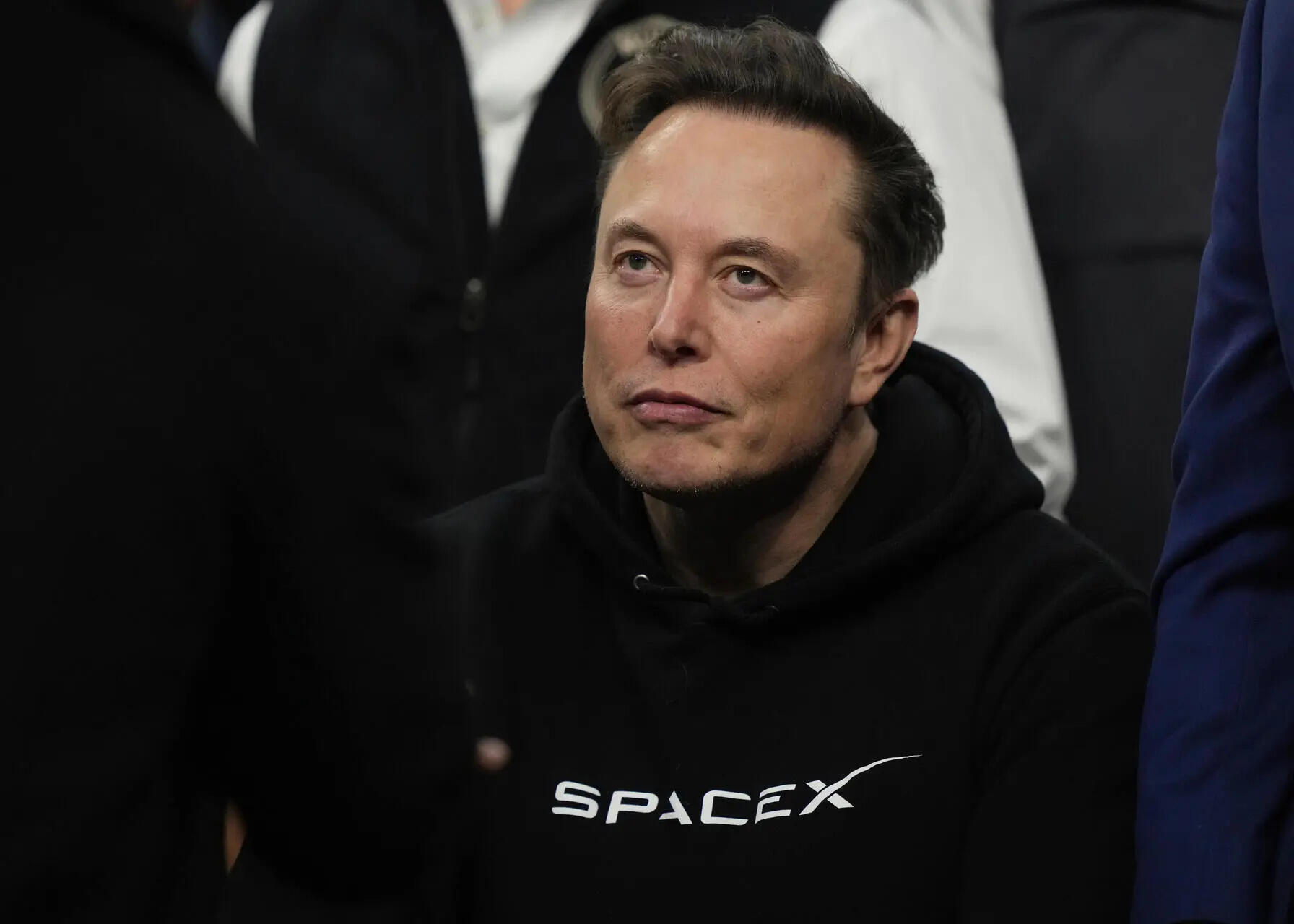
Elon Musk, the world’s richest person, has revealed that he expects to pay over $500 billion in taxes throughout his lifetime. In a recent post on X (formerly Twitter), Musk humorously noted that despite being the "largest individual taxpayer in history," he hasn't received any recognition from the IRS. He mentioned having already paid over $10 billion in taxes and jokingly suggested that a small trophy might be in order. This disclosure comes as Musk’s wealth has surged to an astonishing $852 billion, driven by the merger of his rocket company, SpaceX, and his AI firm, xAI, which together are valued at $1.25 trillion.
Musk’s net worth saw a significant boost earlier this month when his stake in the newly merged entity became worth around $542 billion, accounting for 43% of the combined company. This financial milestone highlights how the tech mogul’s holdings have grown exponentially. Additionally, Tesla shareholders recently approved a compensation package that could potentially award Musk up to $1 trillion in stock if the company meets specific growth targets over the next decade.
Musk’s remarks on taxes and his wealth reflect broader conversations about income inequality and corporate responsibility. His status as both a business leader and a taxpayer sets him apart, drawing attention to issues of financial accountability and the challenges of managing immense personal fortunes. As one of the most influential figures in tech, Musk’s financial decisions and public statements continue to shape global discussions on innovation, wealth, and regulation.
In a broader context, Musk’s projected tax payments underscore the complexities of taxation for ultra-high-net-worth individuals. While his contributions are significant, questions remain about how taxes are structured and whether such大户 should receive special treatment or recognition. This matters not only for understanding individual financial responsibility but also for assessing the broader economic impact of wealth accumulation in a globalized world
Verticals
worldasia
Originally published on Times of India on 2/20/2026