
End the Filibuster, Or Stop Pretending To Govern
RealClearPolitics
by Frank Miele, RealClearPoliticsFebruary 23, 2026
AI-Generated Deep Dive Summary
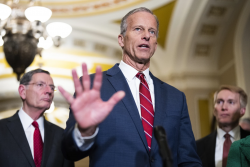
The article highlights the stagnation in Congress since the passage of the Big Beautiful Bill eight months ago, with no significant legislation passed since then. Despite a narrow Republican majority in the House led by Speaker Mike Johnson, the lack of progress is not solely due to the House's slim margin. The real issue lies in the Senate, where the filibuster has blocked any meaningful action, leaving the legislative branch effectively gridlocked.
The Senate's inability to pass major bills stems from the filibuster requirement, which demands 60 votes to end debate. This rule has historically allowed a minority of senators to block legislation, creating a toxic environment that prioritizes obstruction over bipartisan cooperation. The article points out that this situation undermines effective governance and frustrates both Republicans and Democrats who seek to address critical issues.
This political impasse matters because it reflects a broader breakdown in the ability of Congress to function as intended. The filibuster has become a symbol of legislative dysfunction, preventing progress on key priorities and eroding public trust in government. Readers interested in politics will find this issue crucial, as it underscores the challenges of governing under extreme partisanship and highlights the need for reforms that could restore legislative effectiveness.
The article emphasizes that ending the filibuster or addressing its misuse is essential to breaking the gridlock and allowing Congress to fulfill its role in shaping the nation's future. Without action, the current stagnation will continue, leaving unresolved pressing issues and further diminishing the credibility of the legislative branch.
Verticals
politicsnews
Originally published on RealClearPolitics on 2/23/2026