
Ever noticed the ‘height above sea level’ boards at railway stations? Here’s what it means and why it matters
Times of India
by TRENDING DESKFebruary 24, 2026
AI-Generated Deep Dive Summary
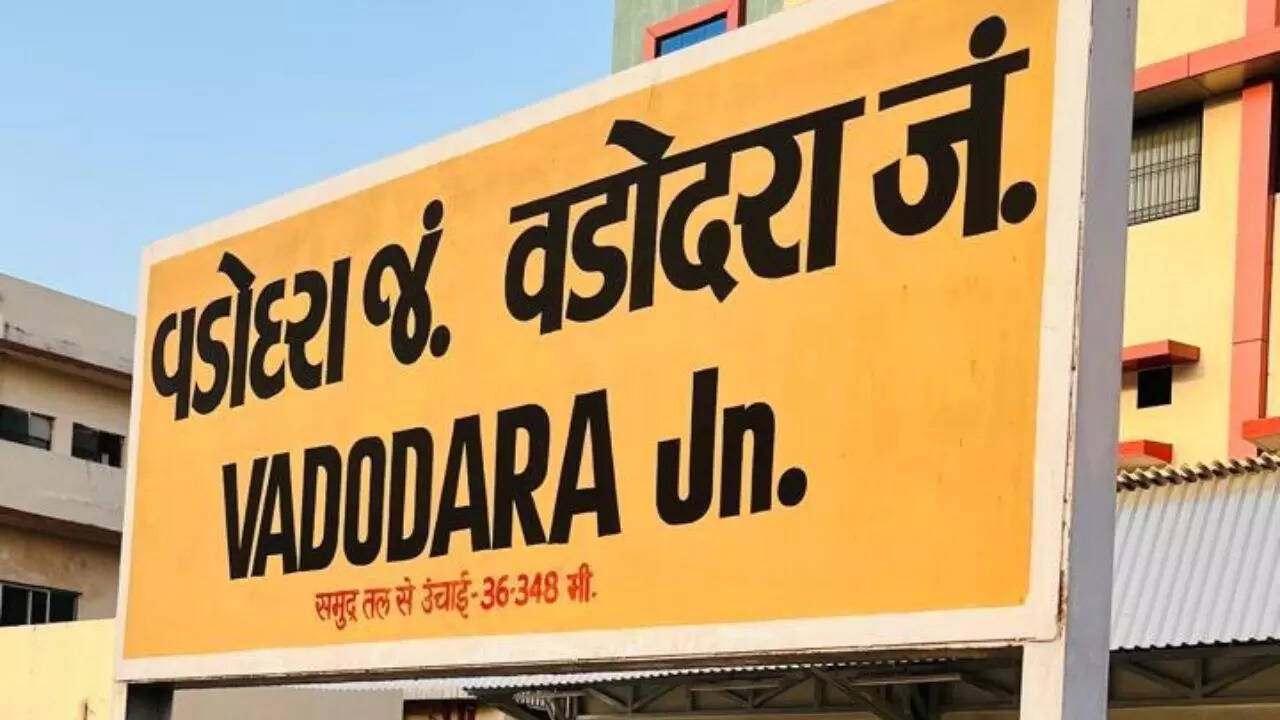
The article highlights the significance of "height above sea level" boards found at Indian railway stations, which indicate the elevation of the station. These markers are crucial for various purposes beyond mere decoration, playing a vital role in railway operations, safety, and even weather monitoring.
In terms of railway operations, these height measurements help engineers design tracks by determining safe gradients for trains to ascend or descend. This is essential for efficient fuel use, braking distances, and maintaining safe speeds. For instance, stations in hilly areas utilize this data to manage braking systems and set appropriate speed limits, ensuring smoother train operation and reducing mechanical stress on engines.
The elevation details also contribute to railway safety by identifying flood-prone areas during heavy monsoons. Stations at lower elevations are more susceptible to water accumulation, allowing authorities to plan better drainage systems and respond swiftly during extreme weather events. Additionally, these markers aid in maintaining consistent signaling systems, as detailed route profiles including elevation changes ensure harmony between track conditions and signaling instructions.
Beyond railways, these height measurements are integral to weather data collection. Meteorological agencies use this information to accurately interpret climate patterns, such as rainfall variations and temperature fluctuations with altitude. This historical practice dates back to the British era when systematic surveying methods were first implemented in India's infrastructure projects.
Understanding the significance of these boards offers insight into how precision engineering and historical practices intersect in everyday infrastructure like railways. For readers interested in global transportation systems or climate science, this highlights the interconnectedness of engineering, safety, and environmental monitoring.
Verticals
worldasia
Originally published on Times of India on 2/24/2026