
Families of Australian diplomats directed to leave Israel and Lebanon
Sydney Morning Herald
by Kayla OlayaFebruary 25, 2026
AI-Generated Deep Dive Summary
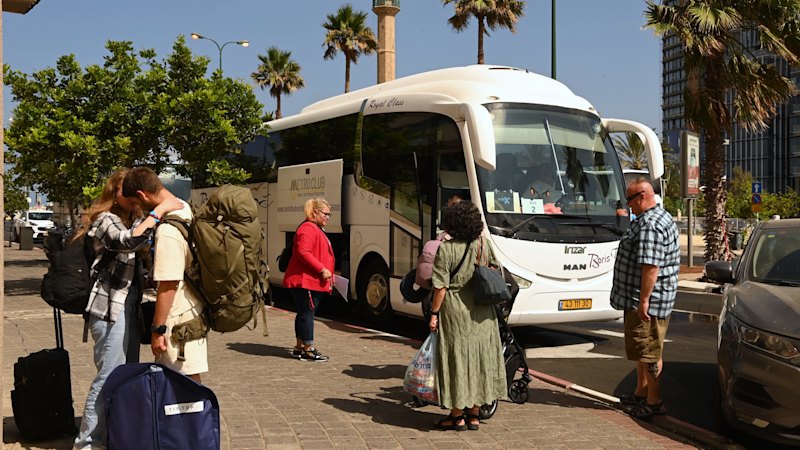
The Australian government has directed families of diplomats in Israel and Lebanon to leave their posts due to escalating tensions in the Middle East. This decision comes as the United States amasses its largest military presence in decades in the region ahead of critical diplomatic talks with Iran over its nuclear program. While the embassies in Tel Aviv and Beirut remain open, travelers are advised to reconsider non-essential visits, given the unpredictable security situation.
The move reflects growing concerns about regional instability, particularly amid fears of a potential conflict involving Iran. Anti-regime protests in Iran have resulted in significant casualties, with thousands killed during recent clashes. Many Iranians view the upcoming Geneva negotiations as a last chance for their government to avoid war, though divisions within the country persist between hard-line supporters and those calling for reform.
The US military buildup is seen as a preemptive measure ahead of these talks, which aim to address Tehran’s nuclear program. Meanwhile, Smartraveller has also extended voluntary departure orders to dependents of officials in Jordan, Qatar, and the UAE, underscoring broader regional security concerns. The situation highlights the delicate balance of power in the Middle East and its potential global implications.
This development underscores the volatile nature of international relations in the region and the risks posed to diplomatic personnel and their families. For readers interested in global affairs, it illustrates how geopolitical tensions can rapidly escalate and impact even seemingly stable countries like Israel and Lebanon. The situation also raises questions about the future of US-Iran relations and the potential for widespread regional conflict.
In summary, the directive for Australian diplomats’ families to leave Israel and Lebanon reflects a broader shift in Middle East security dynamics. As global powers prepare for critical negotiations and military posturing, the region remains on a knife’s edge. This situation is not just a local concern but has far-reaching implications for international stability and diplomacy.
Verticals
worldaustralia
Originally published on Sydney Morning Herald on 2/25/2026