
Fears mount over Japanese reporter detained in Iran being used as ‘hostage diplomacy’
South China Morning Post
by Julian RyallFebruary 26, 2026
AI-Generated Deep Dive Summary
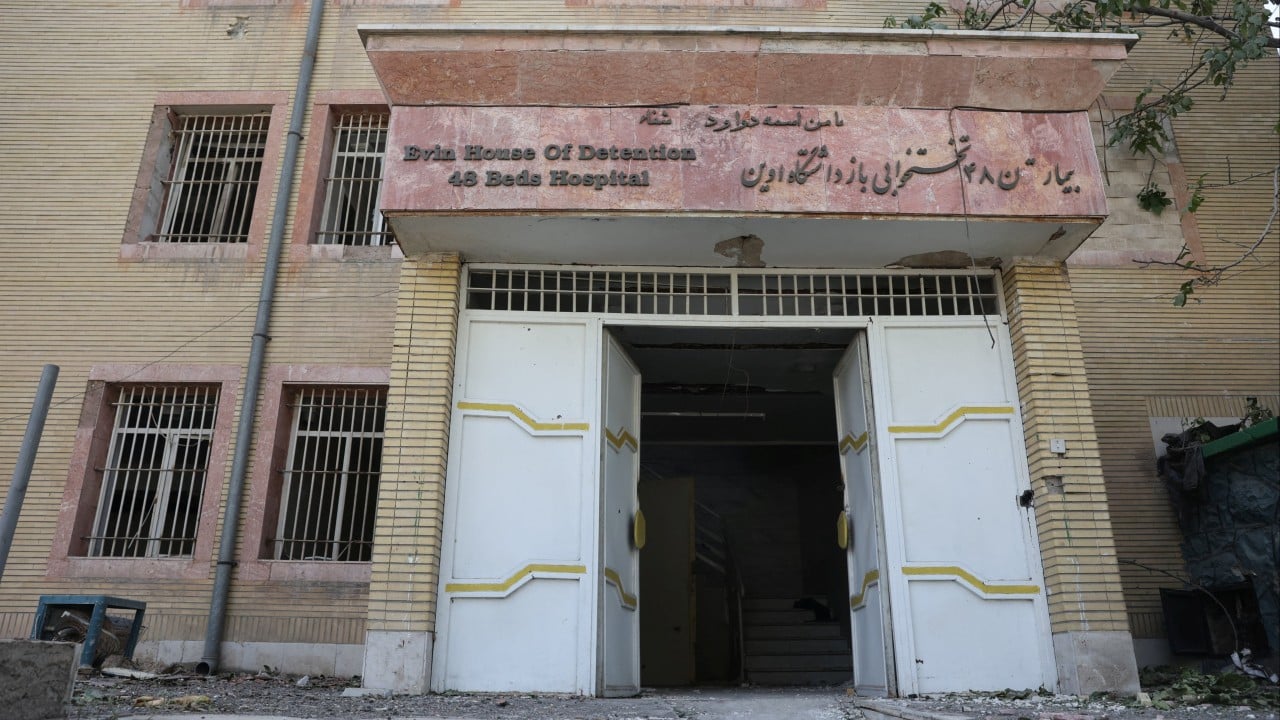
The arrest of Shinnosuke Kawashima, the Tehran bureau chief for Japan’s national broadcaster NHK, has sparked concerns among international observers. Detained on January 20 and later transferred to Evin Prison, a facility historically associated with holding political prisoners, Kawashima’s case has raised suspicions of hostage diplomacy amid escalating tensions between Iran and the United States over Tehran’s nuclear program. This comes as the U.S. has hinted at potential military action against Iran, leading many to believe that Kawashima’s detention could be part of a broader strategy to leverage hostages in diplomatic negotiations.
The timing of Kawashima’s arrest coincides with heightened regional tensions. The U.S. has repeatedly warned against Iran’s nuclear activities, while Tehran continues to assert its sovereignty and accuse Western powers of interference. Evin Prison, where Kawashima is being held, has long been a symbol of Iran’s suppression of political dissent, further fueling fears that his case may not be based on concrete legal grounds but rather serve as a tool for diplomatic leverage. This aligns with patterns observed in previous hostage situations in Iran, where foreign nationals have been detained during periods of high international tension.
The situation has drawn significant attention from Japan, the U.S., and international human rights organizations. Japanese officials have expressed concern over Kawashima’s treatment and called for his immediate release. Meanwhile, the U.S. has echoed these concerns, emphasizing the need for Iran to adhere to international norms and respect press freedom. Human rights groups have also condemned the detention, urging Tehran to uphold its commitments to fair treatment of prisoners and avoid using hostages as pawns in geopolitical conflicts.
The case underscores the delicate dynamics between nuclear diplomacy and human rights in the region. As global powers navigate complex negotiations over Iran’s nuclear program, the fate of Kawashima serves as a stark reminder of the risks faced by journalists operating in conflict zones. His detention not only highlights the challenges of reporting in authoritarian environments but also raises broader questions about how geopolitical tensions impact vulnerable individuals caught between warring nations.
Verticals
worldasia
Originally published on South China Morning Post on 2/26/2026